Appliances · Buying Guide
Best All Clad Non Stick Skillet Choices for Reliable Home Cooking
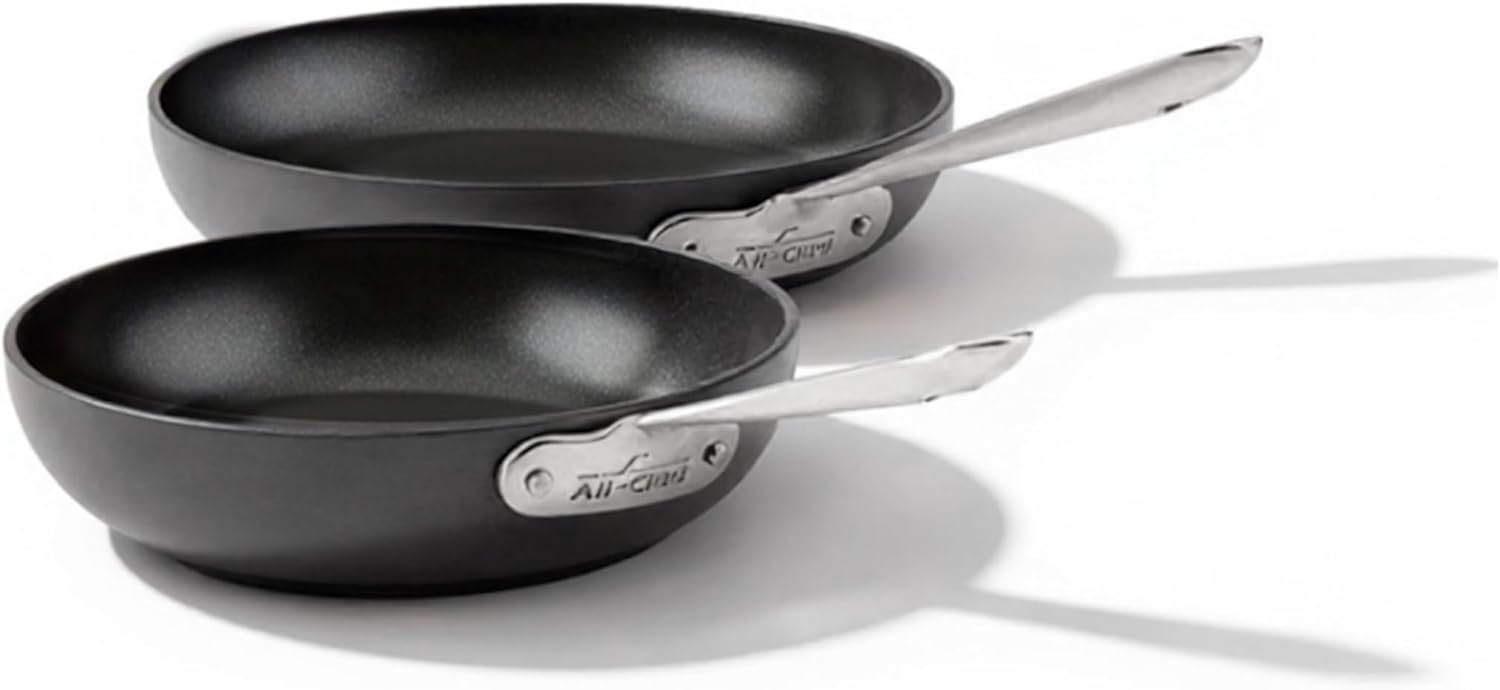
Finding the right cookware involves balancing everyday meal prep requirements with reliable materials that handle heat efficiently. An all clad non stick skillet offers distinct options for home cooks who want dependable food release and straightforward cleanup after preparing breakfast items, vegetables, or proteins. Because different kitchen tasks demand specific configurations, evaluating various configurations helps match your cooking style with the appropriate build.
Manufacturers design these specialized cooking surfaces using hard anodized aluminum or bonded stainless steel cores to distribute thermal energy evenly across the base. Understanding how these builds perform on gas, electric, and induction surfaces allows you to choose a reliable tool for daily use. Reviewing individual specifications helps clarify which setup best suits your culinary routines without relying on generalized claims.
As an Amazon Associate, StacyLaughs earns from qualifying purchases.
Buying guide
Material Selection and Core Construction
Evaluating cookware materials helps determine how well a pan handles daily thermal shifts. Hard anodized aluminum provides excellent scratch resistance and structural durability while keeping the overall tool manageable in weight.
Bonded tri-ply stainless steel options incorporate internal aluminum layers to accelerate thermal transfer. Choosing between these builds depends on whether you prioritize rapid heat responsiveness or lightweight handling during active cooking routines.
Size Options and Capacity Needs
Selecting the correct diameter ensures your ingredients fit comfortably without overcrowding the cooking surface. Smaller eight-inch surfaces excel at single servings of eggs or quick morning browning tasks.
Larger ten-inch and twelve-inch dimensions provide expansive floors for family-sized portions, proteins, and bulky vegetables. Matching the pan footprint to your typical household meal volume prevents unnecessary cooking bottlenecks.
Stovetop and Oven Compatibility
Modern kitchens feature diverse heating elements, making compatibility a crucial purchasing factor. Ensure your chosen skillet works seamlessly with gas, electric, or induction cooktops without requiring adapters or special adjustments.
Oven safety ratings also dictate versatility when finishing dishes under broiler heat or baking frittatas. Checking maximum temperature thresholds ensures the pan transitions safely from stovetop burners to heated oven compartments.
Handle Design and Ergonomic Control
Comfortable handles reduce hand fatigue during extended cooking sessions or when transferring heavy contents. Stainless steel handles secured with double rivets provide stable weight distribution and a secure grip.
Contoured shapes fit naturally in the hand, allowing confident maneuvering around busy stovetops. Evaluating handle attachment strength ensures long-term stability under frequent lifting and everyday kitchen workflows.
Surface Maintenance and Utensil Care
Preserving nonstick performance requires adherence to specific cleaning and utensil guidelines. Utilizing silicone, nylon, or wooden tools prevents scratching the delicate PTFE coating during active spatula turning and food flipping.
While many models tolerate dishwasher cycles, washing with mild soap and a soft sponge helps maintain coating longevity. Following manufacturer maintenance recommendations keeps the cooking surface functioning smoothly over years of regular use.
Lid Inclusion and Storage Considerations
Deciding whether you need a lid changes how you approach simmering and moisture retention tasks. Tempered glass covers let you observe cooking progress visually without lifting the barrier and releasing built-up heat.
Consider your available cabinet space before purchasing multi-piece sets or wide-diameter pans. Storing large footprints safely prevents accidental scratching of nonstick surfaces and keeps your kitchen organized.
Frequently asked questions
Can I use these nonstick skillets on an induction cooktop?
Yes, all featured models are explicitly engineered with optimized stainless steel bases that make them fully compatible with induction cooktops, along with traditional gas and electric burners. This magnetic base ensures efficient energy transfer and steady heating performance across modern induction ranges without requiring any special accessories or workarounds.
What type of utensils should I use to protect the nonstick coating?
To preserve the lifespan of the PTFE nonstick surface, manufacturers recommend using utensils made from silicone, nylon, or wood. Avoid metal spatulas, forks, or whisks, as hard metallic edges can scratch and compromise the integrity of the nonstick layer over time during regular cooking and scraping tasks.
Are these skillets safe to put in the oven?
Most models are oven safe up to 500 degrees Fahrenheit, allowing you to start dishes on the stovetop and finish them in the oven. However, if your skillet includes a tempered glass lid, note that the glass component typically carries a lower maximum temperature threshold of 350 degrees Fahrenheit.
How should I clean my nonstick skillet after cooking?
While many models are rated dishwasher safe, washing your cookware by hand with mild dish soap, warm water, and a soft sponge is recommended to preserve the nonstick coating. Avoid abrasive scouring pads or harsh metal wool, which can degrade the surface finish and shorten the lifespan of the pan.
Do these fry pans come with lids included?
Lid inclusion varies depending on the specific product package you choose. Certain configurations, such as the twelve-inch fry pan option, include a tempered glass lid for moisture retention, while other multi-piece sets consist solely of open fry pans without accompanying covers.