Appliances · Buying Guide
Best All-Clad Omelette Pans for Everyday Home Cooking
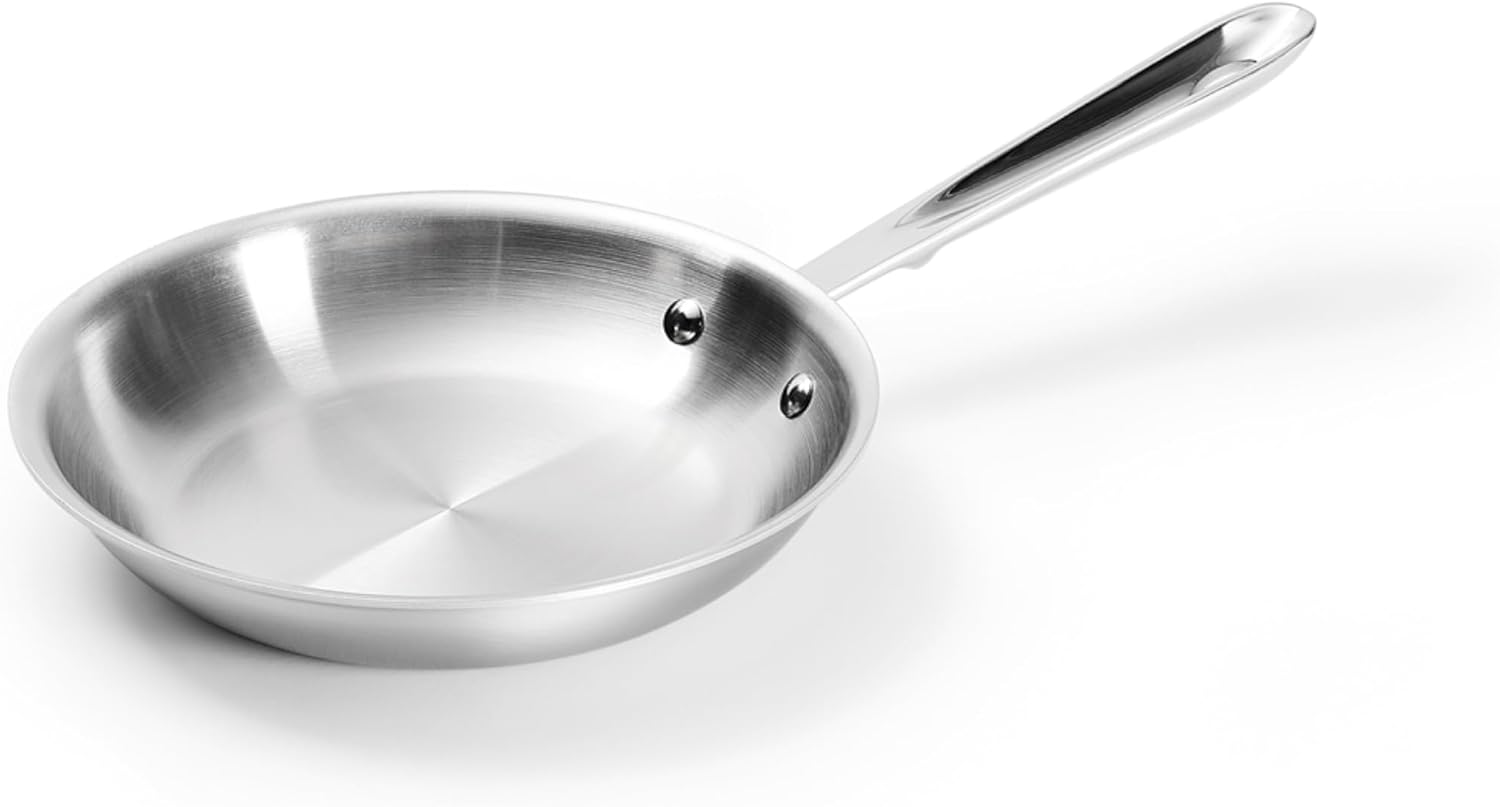
Selecting the right cookware for morning eggs, delicate fish, or quick sautés involves balancing heat control and surface materials. All-Clad produces specialized omelet and fry pans engineered in the United States using bonded metals. These pans range from multi-ply stainless steel to hard-anodized aluminum and advanced nonstick coatings designed to match various cooking styles.
Understanding the core construction helps buyers choose between raw stainless steel surfaces requiring precise temperature management and nonstick variants optimized for easy food release. Whether outfitting a compact kitchen for simple breakfasts or seeking professional-grade heat distribution for searing and browning, evaluating specific pan attributes ensures a practical addition to everyday cooking routines.
As an Amazon Associate, StacyLaughs earns from qualifying purchases.
Buying guide
Material Construction and Heat Distribution
Selecting an omelet or fry pan starts with understanding how different metals conduct heat across the cooking surface. Multi-ply bonded stainless steel incorporates internal aluminum or steel cores to spread thermal energy evenly, eliminating hot spots that can burn delicate morning foods. Pure metal options offer exceptional structural durability and high-temperature tolerance for advanced searing tasks.
Buyers should carefully weigh whether they prefer the rapid thermal response of layered metals or the specific weight distribution of hard-anodized aluminum bases. Matching the construction material to everyday cooking habits ensures the pan heats predictably and withstands regular stovetop use over many years without experiencing edge warping or performance degradation.
Surface Coatings and Food Release
Surface coatings dictate how easily foods slide out of the pan during flipping and serving tasks. Modern nonstick PTFE interiors require minimal oil, making them exceptionally ideal for delicate items like eggs, fish, and cheese. These specialized surfaces simplify post-cooking cleanup routines significantly for everyday users who want fast, hassle-free maintenance without stubborn residue.
Uncoated stainless steel cooking surfaces demand proper thermal preheating and adequate cooking fats to prevent food adhesion, but they comfortably allow metal utensils and higher heat applications. Shoppers must evaluate whether daily nonstick convenience or long-term high-heat versatility matters most to their specific kitchen routine, storage space, and personal cooking preferences.
Stovetop Compatibility and Heat Sources
Modern cookware must adapt smoothly to a wide variety of kitchen ranges, including traditional gas burners, electric coils, and smooth glass cooktops. Induction compatibility specifically relies on magnetic outer metal layers that interact directly with electromagnetic heating fields. Checking these cooktop requirements thoroughly prevents purchasing incompatible gear for your specific kitchen setup.
Multi-ply stainless steel and optimized aluminum bases provide reliable flat contact across modern cooktops, ensuring thermal energy transfers efficiently into the food. Verifying that your chosen pan matches your specific kitchen stove type guarantees consistent heating performance and prevents uneven cooking results during daily meal preparation routines and heavy cooking use throughout the week.
Size and Capacity Selection
Pan dimensions and internal capacity directly influence portion sizes and the types of meals you can prepare efficiently at home. Smaller eight-inch models suit single-portion eggs, quick breakfasts, and small sautéed side dishes. Ten-inch variants provide additional surface area for multi-ingredient recipes without overcrowding ingredients during active cooking sessions on standard stovetops.
Choosing the correct pan size depends heavily on household member counts and typical meal volumes. Selecting an appropriately dimensioned cookware piece ensures efficient heat utilization while preventing food spattering or burner overcrowding on smaller heating elements in compact residential kitchens. Matching physical dimensions to available cabinet storage space is also wise.
Temperature Limits and Oven Safety
Oven safety ratings dictate whether a pan can move seamlessly from stovetop searing to oven finishing or broiling tasks. Many bonded stainless steel models safely withstand extreme temperatures up to six hundred degrees Fahrenheit, while nonstick variants generally cap at five hundred degrees due to specific coating material thresholds. Always verify manufacturer limits before baking.
Checking maximum temperature specifications carefully prevents accidental damage to specialized nonstick coatings or handle components during high-heat cooking sessions. Understanding these strict thermal thresholds ensures long-lasting equipment reliability across diverse baking, broiling, and roasting recipes in modern home kitchens. Reviewing these details protects your investment.
Maintenance and Cleaning Guidelines
Proper maintenance requirements vary significantly between dishwasher-safe hard-anodized models and hand-wash-only stainless steel or nonstick pans. Hand washing typically preserves delicate nonstick coatings and polished metal finishes much longer by avoiding harsh automated dishwasher detergents that can degrade specialized surfaces over extended periods.
Using recommended utensils such as wood, silicone, or nylon protects nonstick surfaces from scratching or peeling during active cooking. Following proper manufacturer care instructions ensures optimal performance and appearance over years of daily kitchen use and routine food preparation tasks across various meals.
Frequently asked questions
Can I use metal utensils with All-Clad nonstick omelet pans?
Manufacturer guidance for All-Clad nonstick omelet pans specifically recommends using silicone, nylon, or wooden utensils to preserve the nonstick coating. Using metal tools on PTFE surfaces can scratch, peel, or damage the coating over time, reducing its food release effectiveness. If you prefer using metal spatulas or whisks for your cooking style, uncoated stainless steel models are a better fit because their raw metal construction resists scratching and tolerates metal tools without wearing down the cooking surface.
Are All-Clad fry pans dishwasher safe?
Dishwasher safety depends entirely on the specific product line you choose. Models like the HA1 Expert series are rated as dishwasher safe for convenient cleanup. However, many classic stainless steel and nonstick models carry explicit hand-wash-only recommendations to protect exterior finishes and delicate interior nonstick coatings from harsh dishwasher detergents. Always review the product care instructions for your exact model before running it through an automated dishwasher cycle to maintain its appearance and longevity.
Can these pans be used on induction stovetops?
Yes, all the featured All-Clad omelet and fry pans are fully compatible with any stovetop, including induction ranges. Their bonded construction incorporates magnetic stainless steel exterior layers that interact properly with induction elements to generate heat efficiently. Whether you cook on gas, electric coils, smooth glass surfaces, or modern induction cooktops, these pans deliver reliable thermal performance and consistent heat distribution across the base for your everyday breakfast and dinner recipes.
What is the difference between D3 and D5 construction?
D3 construction features a fully bonded tri-ply design consisting of an aluminum core sandwiched between two layers of stainless steel, delivering fast and even heat response. D5 construction upgrades to a five-ply bonded structure with alternating layers of stainless steel and aluminum surrounding a steel core. This five-ply design provides supreme even heat distribution, eliminates hotspots entirely, and offers enhanced warp-free durability, making it ideal for precision cooking and high-heat tasks.
What is the maximum oven temperature for these pans?
Maximum oven temperature safety limits vary by model construction and surface type. Many stainless steel and classic bonded pans without nonstick coatings are oven and broiler safe up to six hundred degrees Fahrenheit. Nonstick models generally have a maximum temperature limit of five hundred degrees Fahrenheit to protect the integrity of the interior coating. Always check the specific temperature rating for your chosen pan before transitioning it from the stovetop into a hot oven or broiler.