Appliances · Buying Guide
Best All-Clad Small Saute Pan Choices for Everyday Cooking
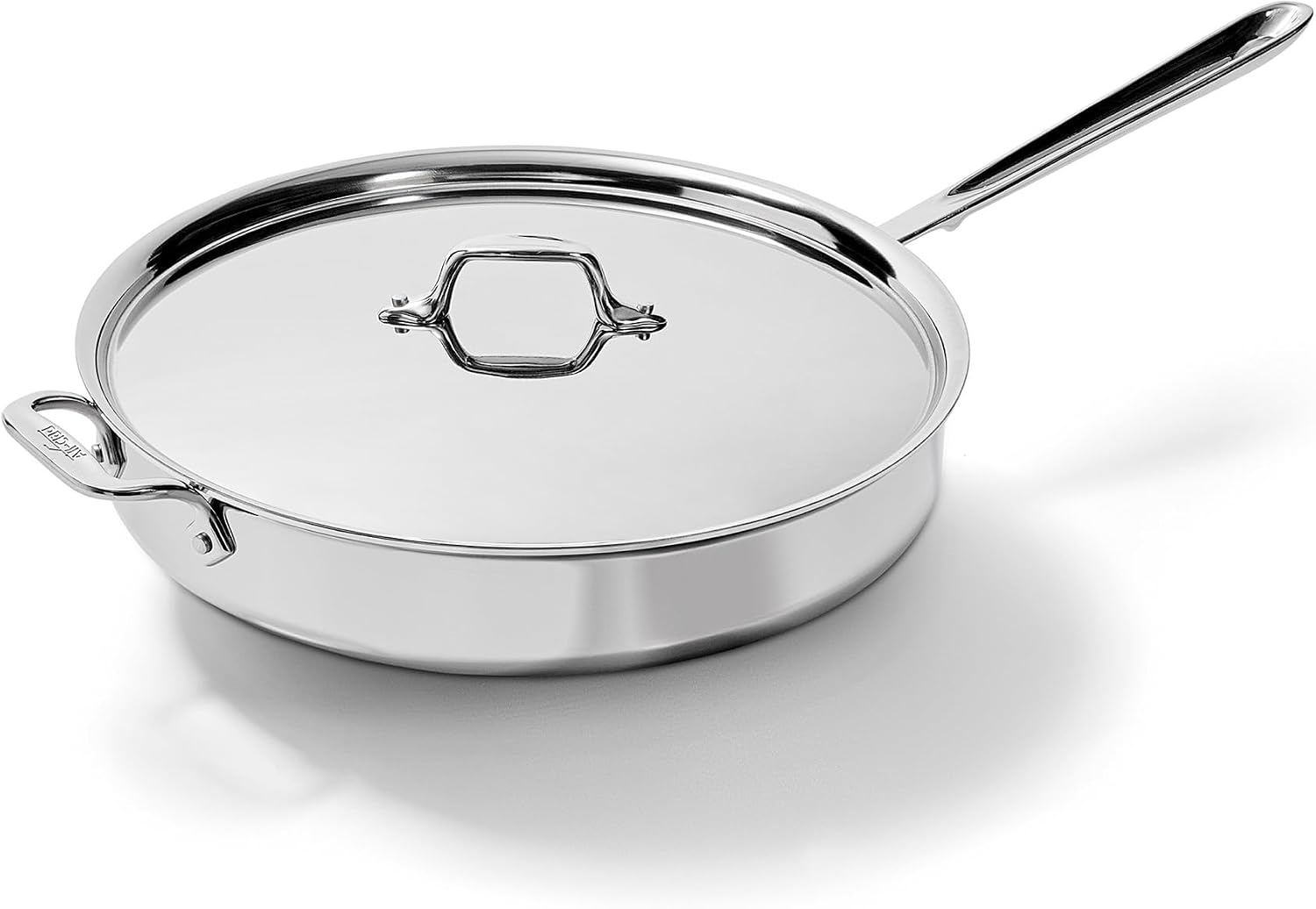
Finding the right cookware for daily meal prep involves balancing heat distribution, capacity, and surface materials. An all clad small saute pan provides straight sides and a flat cooking area to manage everything from searing meats to simmering sauces. These pans bridge the gap between traditional skillets and larger stockpots, offering versatility for home cooks preparing moderate portions.
Reviewing options requires looking closely at construction details, such as tri-ply stainless steel or hard-anodized aluminum with nonstick coatings. Each design brings distinct advantages for heat management, cleanup convenience, and stovetop compatibility. Understanding these attributes helps align your cookware choice with specific cooking techniques and kitchen routines.
As an Amazon Associate, StacyLaughs earns from qualifying purchases.
Buying guide
Material Construction and Heat Distribution
Selecting the right material influences how quickly your cookware heats up and how evenly temperature spreads across the cooking surface. Bonded tri-ply stainless steel incorporates an aluminum core to eliminate hot spots, ensuring consistent results when searing meats or simmering delicate sauces on any home burner.
Alternatively, hard-anodized aluminum options offer lightweight strength and rapid thermal response. Understanding these core material differences helps you match your cookware to your daily cooking style, ensuring reliable performance whether you are browning proteins or preparing intricate reductions that demand precise heat control.
Capacity and Pan Dimensions
Choosing the correct capacity prevents overcrowding and ensures your ingredients cook evenly rather than steaming in their own juices. Smaller three-quart models accommodate everyday side dishes and single portions, while four-quart and six-quart variants provide ample room for family-sized one-pan meals, substantial braises, and bulk vegetable sautés.
Wall height also plays a major functional role in daily kitchen tasks. Straight sides contain liquids and minimize messy stovetop splattering during active stirring, whereas slightly shorter walls encourage moisture evaporation, making them ideal for achieving deep, rich browning on various cuts of meat.
Interior Coating Choices
The interior surface dictates how easily food releases and what type of cleanup routine you can expect after cooking. PTFE nonstick and ceramic coatings provide effortless food release, allowing you to prepare meals with minimal oil and wipe the pan clean with a soft sponge afterward.
Uncoated stainless steel surfaces offer a durable alternative that withstands metal utensils and high-heat searing. While stainless steel requires proper fat preheating to prevent sticking, it excels at developing flavorful pan fond that transforms simple pan drippings into rich, complex sauces.
Stovetop and Oven Compatibility
Modern kitchens feature diverse heat sources, making cooktop compatibility an essential factor before purchasing any sauté pan. Most quality options support electric coils, gas flames, and smooth-surface induction cooktops, thanks to optimized magnetic stainless steel bases embedded into the construction.
Transitioning meals from the burner directly into the oven requires checking maximum temperature ratings. Stainless steel models often handle extreme broiler heat up to six hundred degrees, while nonstick and ceramic variants typically feature lower thresholds to protect their specialized surface coatings.
Handle Design and Ergonomics
Ergonomic handles ensure secure maneuvering when lifting heavy pans filled with ingredients or transferring hot cookware between stations. Look for securely riveted stainless steel handles designed to provide a comfortable, balanced grip during extended cooking sessions, minimizing wrist strain and accidental tipping.
Some modern pan designs incorporate specialized stacking handles with flush rivets. These space-saving features prevent scratching and allow cookware to nest neatly inside crowded kitchen cabinets, maximizing your available storage space without sacrificing structural strength or user safety.
Maintenance and Cleaning Routines
Establishing a proper maintenance routine preserves the longevity and appearance of your cookware investment over years of regular use. Hard-anodized nonstick and ceramic pans generally require gentle hand washing with mild dish soap and nonabrasive sponges to protect the delicate nonstick properties.
Although certain nonstick models claim dishwasher safety, hand washing remains the recommended practice to prevent premature degradation. Reviewing manufacturer care instructions ensures your cookware maintains its optimal performance, attractive exterior finish, and reliable food release capabilities for every meal.
Frequently asked questions
What makes a sauté pan different from a standard skillet?
A sauté pan features a wide, flat bottom combined with straight, vertical sides, whereas a standard skillet typically has sloped, flared sides. These vertical walls allow a sauté pan to hold significantly more liquid, making it ideal for braising, simmering sauces, and cooking multi-ingredient one-pan meals without spilling over the edges. The broad surface area also provides ample space for browning meats and vegetables before adding liquids, giving home cooks greater culinary versatility across various stovetop recipes.
Can these sauté pans be used on induction cooktops?
Yes, all the featured sauté pans are fully compatible with induction cooktops, along with gas and electric coil ranges. The models incorporate optimized magnetic stainless steel bases or bonded tri-ply stainless construction that interacts efficiently with induction magnetic fields to generate rapid, even heat. This broad stovetop compatibility ensures you can transition your cookware between different kitchens or appliance upgrades without losing cooking performance or needing to replace your entire set of pans.
Are nonstick sauté pans safe to put in the dishwasher?
While some nonstick models carry dishwasher-safe ratings from the manufacturer, hand washing with mild dish soap, warm water, and a soft sponge is strongly recommended to preserve the coating. Dishwasher detergents often contain harsh abrasives and strong chemicals that can dull exterior finishes and degrade nonstick properties over time. Taking a few extra moments to wash your nonstick pan by hand significantly extends its operational lifespan and maintains effortless food release performance.
What is the benefit of an aluminum core in stainless steel cookware?
An aluminum core bonded between layers of stainless steel provides exceptional thermal conductivity, addressing the natural tendency of stainless steel to heat unevenly. Because aluminum distributes heat rapidly and uniformly across the entire bottom and up the sides of the pan, it eliminates hot spots that can burn food. This construction combines the superior heat distribution of aluminum with the non-reactive, durable cooking surface of stainless steel for professional results at home.
How do I choose between stainless steel and nonstick interior surfaces?
Choosing between stainless steel and nonstick depends on your preferred cooking techniques and maintenance habits. Stainless steel surfaces withstand high-heat searing, metal utensils, and broiler temperatures up to six hundred degrees, making them ideal for developing rich pan sauces and heirloom durability. Conversely, nonstick and ceramic surfaces offer effortless food release with minimal oil usage, making them well-suited for delicate items like eggs and fish, though they require careful hand washing and nonmetal utensils.