Appliances · Buying Guide
Best Stainless Steel Wok Options for Home Cooking
Finding the right cookware for stir-frying and high-heat searing requires looking closely at core materials and construction. Stainless steel options provide durable, non-toxic surfaces that handle high temperatures smoothly across various modern stovetops, including induction setups. Selecting a reliable pan ensures even cooking performance, easy maintenance, and long-lasting everyday utility in busy home kitchens.
Whether preparing large family meals or quick weeknight dinners, choosing a well-constructed pan makes a practical difference for daily cooking routines. This overview examines several stainless steel pans and woks designed to deliver reliable heat distribution, comfortable handling, and dependable performance without relying on unverified claims, making your selection process straightforward and practical.
As an Amazon Associate, StacyLaughs earns from qualifying purchases.
Buying guide
Material Construction and Core Layers
Understanding core metal layers helps buyers select cookware that resists warping and delivers consistent thermal performance during daily meal preparation. Fully clad tri-ply and five-ply options sandwich heat-conductive aluminum between durable exterior stainless steel sheets. This bonded design ensures heat spreads rapidly across the entire cooking surface rather than concentrating solely over the burner center. Evaluating these internal layers prevents hot spots and uneven browning during intensive high-heat searing sessions.
Multi-layer vessels maintain structural integrity under frequent temperature fluctuations without buckling or developing permanent surface distortions. Manufacturers engineer these bonded walls to balance rapid thermal response with long-term durability. When choosing a pan, checking the ply count clarifies how well the body will distribute heat across electric, gas, or induction cooktops. Investing in robust metal construction guarantees dependable results for demanding cooking techniques over years of regular kitchen use.
Stovetop Compatibility and Heat Sources
Modern stainless steel cookware accommodates diverse heat sources, including gas burners, electric coils, and smooth induction cooktops. Induction compatibility relies on magnetic outer steel layers that interact directly with underlying electromagnetic cooktop fields. Checking cooktop requirements ensures your selected pan performs efficiently without energy loss or improper thermal transfer. Gas users benefit from rapid flame responsiveness, while induction users depend on flat, magnetically responsive bases.
Matching the base diameter of your pan to your stovetop burner size maximizes energy efficiency and prevents uneven edge heating. Undersized burners beneath oversized pans can create thermal gradients that affect cooking consistency. Reviewing manufacturer specifications regarding compatible devices prevents operational mismatches in your kitchen. Proper alignment ensures that heat transfers evenly from the element into the aluminum core, resulting in predictable cooking outcomes for every recipe you attempt.
Ergonomics, Handles, and Grip Comfort
Comfortable handle design plays a critical role when lifting heavy, food-filled pans from stovetops to ovens or serving tables. Riveted stainless steel handles provide a secure, permanent attachment that outlasts welded alternatives over years of heavy use. Many professional-style designs feature hollow or specially contoured shapes intended to stay cool during standard stovetop cooking sessions. Evaluating handle placement ensures you can maintain a steady, ergonomic grip during high-volume tossing and stirring tasks.
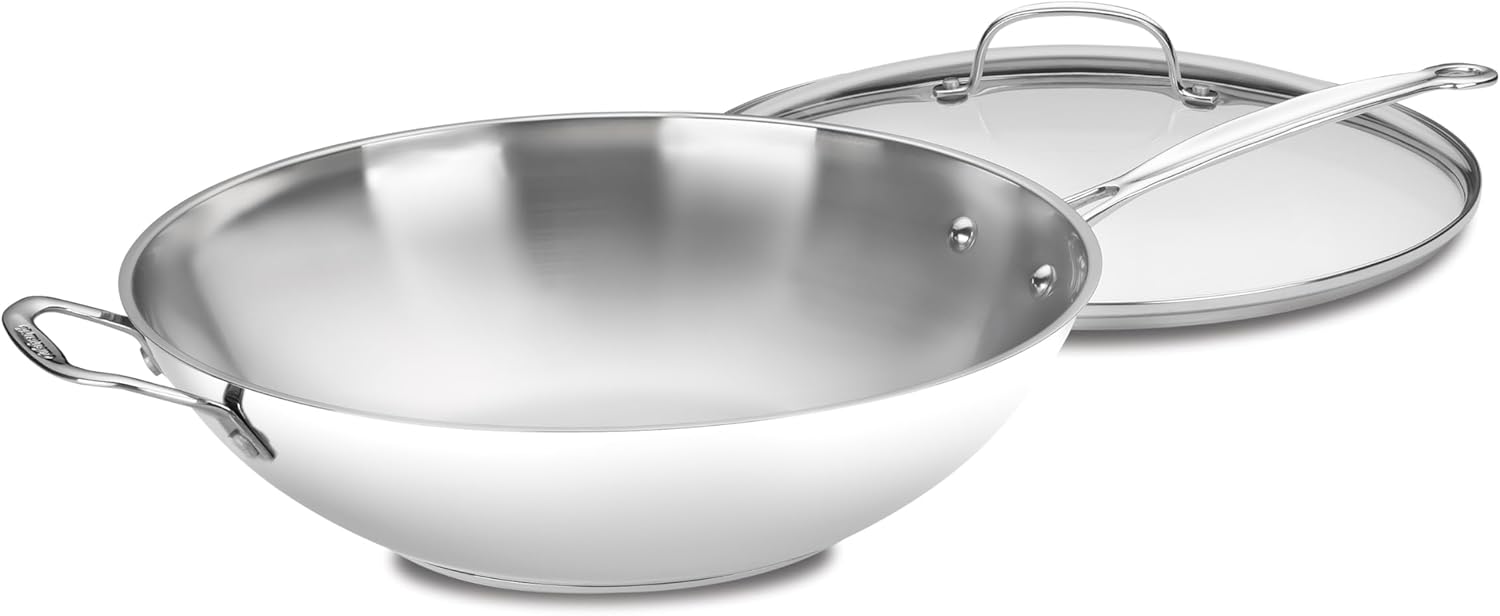
Auxiliary helper handles on larger woks and pans provide essential support for two-handed transport when cooking heavy meal batches. A secure grip reduces accidental spills and gives you better control when transferring hot dishes. Check whether handles feature underhand grip designs or thermal reduction properties that minimize heat transfer. Prioritizing ergonomic handling features transforms cumbersome kitchen routines into comfortable, balanced workflows for cooks of all experience levels.
Temperature Limits and Oven Safety
Stovetop-to-oven versatility depends heavily on the maximum temperature ratings established by the manufacturer for both pan bodies and lids. Fully stainless steel configurations frequently withstand high oven heat up to 500 or 600 degrees Fahrenheit safely. This high thermal threshold allows you to sear ingredients on the burner and finish baking or roasting inside the oven. Verifying these limits prevents accidental warping or material degradation during aggressive broiler applications.
Glass lids and auxiliary components often feature lower temperature thresholds compared to the primary stainless steel pan body. Exceeding these specified maximum limits can cause cracking or component failure during heated cooking phases. Always review product specifications to confirm whether lids must be removed before transferring cookware into hot ovens. Understanding thermal boundaries protects your investment and ensures safe, multi-stage cooking performance across diverse culinary applications.
Maintenance, Cleaning, and Care Instructions
Proper maintenance routines preserve the polished finish and cooking performance of high-grade stainless steel kitchenware over decades of regular use. Many stainless steel pans feature dishwasher-safe construction for convenient cleanup after everyday family meals. However, following manufacturer cleaning instructions prevents mineral buildup and stubborn food residue adherence. Allowing hot pans to cool naturally before washing prevents thermal shock and potential metal warping.
Seasoning unseasoned stainless steel surfaces according to brand guidelines can improve food release properties during frying and searing tasks. Handwashing is frequently recommended for maintaining mirror-polished exterior aesthetics, even when dishwasher compatibility is officially listed. Utilizing non-abrasive cleaning pads protects the metal finish from unsightly scratching. Adhering to these practical care guidelines ensures your cookware remains hygienic, attractive, and fully functional for all future meal preparations.
Sizing, Capacity, and Storage Considerations
Selecting the correct wok or pan diameter depends directly on your household size and typical meal portion requirements. Larger 14-inch to 16-inch models accommodate family-scale stir-fries and bulk batch cooking with ease. Smaller 12-inch pans suit everyday frying and sautéing for smaller households. Measuring your available cabinet storage space and pantry clearance before purchasing prevents awkward storage issues in compact kitchens.
Wide cooking vessels require substantial burner coverage and adequate counter space to operate comfortably during active food tossing. Consider how the physical weight of large multi-ply pans affects your ability to lift and maneuver them safely. Evaluating capacity alongside external dimensions ensures the cookware fits your kitchen layout without crowding neighboring appliances. Balancing vessel size with practical storage realities guarantees long-term satisfaction with your cookware investment.
Frequently asked questions
Can stainless steel woks be used on induction cooktops?
Yes, many stainless steel woks feature magnetic outer layers or encapsulated induction-compatible bases that function smoothly on smooth-surface induction cooktops. Manufacturers explicitly test and specify compatible devices, including gas, electric coil, and induction surfaces, in their product specifications. To ensure proper performance, check that the flat base diameter of your chosen wok matches or exceeds your induction burner ring. This magnetic contact ensures efficient energy transfer, rapid heating across the aluminum core, and stable cooking temperatures without risking surface scratching or operational mismatches on your glass cooktop.
Are stainless steel pans dishwasher safe?
Most stainless steel cookware options are built with dishwasher-safe materials to simplify cleanup after routine meal preparation. However, reviewing specific manufacturer guidelines is essential, as certain components like glass lids or specialized handles may have distinct care instructions. Handwashing is frequently recommended by premium brands to preserve the high-polish exterior finish and prevent minor cosmetic dulling over years of washing cycles. Allowing heated pans to cool completely before washing also prevents thermal shock, protecting the bonded metal structure from unexpected warping or damage.
What is the benefit of a tri-ply or multi-ply stainless steel construction?
Multi-ply and tri-ply stainless steel construction sandwiches a heat-conductive aluminum core between durable exterior layers of food-grade stainless steel. This bonded engineering allows heat to spread rapidly and evenly across the entire cooking surface rather than concentrating only over the burner flame. Eliminating hot spots prevents food from burning in isolated areas while ensuring consistent browning and searing results. Additionally, the sturdy outer metal layers resist warping, denting, and corrosion, providing long-lasting structural durability for intensive daily cooking applications in busy home kitchens.
How do I prevent food from sticking to a stainless steel wok?
Preventing food from sticking on stainless steel surfaces involves proper preheating techniques and appropriate heat control before adding oils or ingredients. Allowing the pan to reach the correct cooking temperature before introducing food helps create a natural release barrier. Following manufacturer seasoning recommendations for specific models also enhances non-stick properties over time. Using adequate cooking oil, avoiding overcrowding the pan surface, and ensuring the metal is thoroughly cleaned of residual grease after every use will maintain a smooth, reliable cooking environment.
What is the maximum oven temperature supported by these stainless steel pans?
Maximum oven safety limits vary depending on the specific model construction, handle materials, and included lids. Many fully clad stainless steel pans and woks are rated safe for oven and broiler use up to 500 or 600 degrees Fahrenheit. However, auxiliary components such as glass covers, steel lids with lower temperature thresholds, or silicone grips often feature restricted limits, frequently around 300 degrees Fahrenheit. Always consult the specific product user manual and specifications before transferring cookware into a hot oven to prevent component damage.