Appliances · Buying Guide
Best American Made Cast Iron Cookware for Versatile Kitchen Cooking
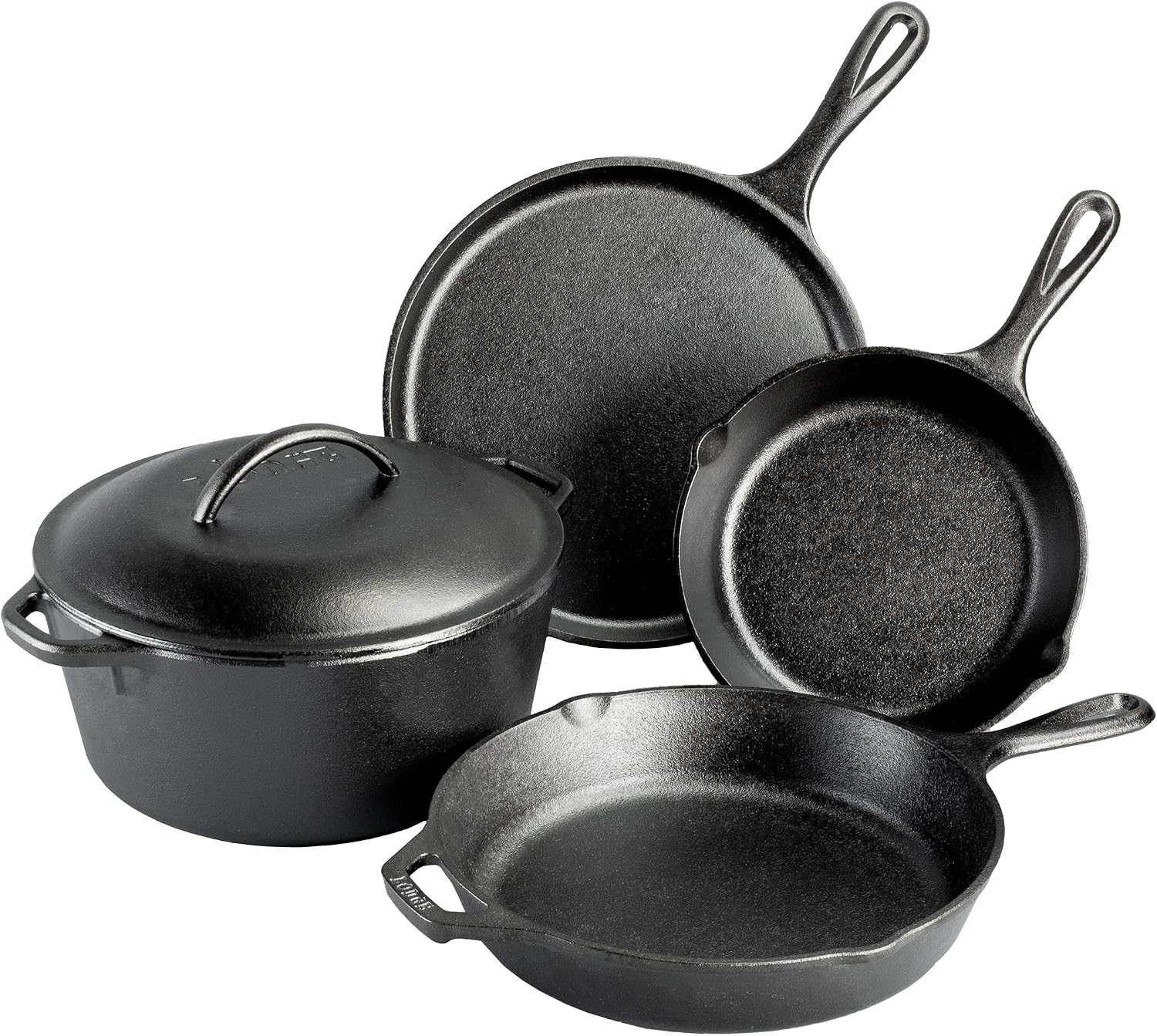
Choosing traditional American made cast iron cookware brings dependable performance and enduring craftsmanship directly to your home kitchen. These pre-seasoned iron pieces offer exceptional even heat distribution, helping you achieve consistent cooking results across indoor stovetops, ovens, grills, and campfires without relying on synthetic non-stick surface coatings during meal preparation.
Whether you need a complete multi-piece set for diverse daily cooking tasks or a single specialized skillet featuring a smooth polished surface, domestic manufacturers provide robust options for home cooks. Carefully evaluating specific capacities, ergonomic handle designs, and surface finishes helps match the right iron pan to your personal meal preparation routines, storage limitations, and heat sources.
As an Amazon Associate, StacyLaughs earns from qualifying purchases.
Buying guide
Capacity and Sizing Considerations
Selecting the right size cast iron cookware depends heavily on your typical household portion requirements and preferred menu styles. Smaller pans work wonderfully for frying morning eggs or single-serving cornbread, while larger braisers and Dutch ovens easily accommodate whole roasts and family-sized stews. Evaluating your daily recipe volume prevents buying a vessel that feels too cramped or unnecessarily bulky for your kitchen counter space.
Matching pan dimensions to your specific cooking habits ensures you never overcrowd ingredients or struggle with an oversized vessel on standard stovetop burners. Reviewing specified volume capacities helps determine whether a cookware piece aligns smoothly with your routine meal preparation tasks, batch cooking goals, and home storage constraints.
Surface Finish and Texture
Cast iron surface textures vary significantly between traditional rough sand-molded finishes and modern machined polished surfaces. Polished skillets offer a smoother cooking interface that minimizes food sticking right from the start, making flipping delicate items much easier for everyday home cooks. This machined smoothness often enhances browning without requiring excessive oil applications during meal preparation across varied stovetops.
Traditional textured iron develops a durable non-stick patina over time through regular seasoning and consistent cooking use. Choosing between a machined smooth finish and a classic textured surface comes down to personal preference regarding initial food release, tactile feel, cleaning ease, and the overall aesthetic of your kitchen tools.
Weight and Handling Ergonomics
Iron cookware is naturally heavy, but modern manufacturing techniques can create noticeable differences in overall weight and daily maneuverability. Lighter iron skillets allow for quicker temperature response and much easier lifting when transferring food from hot burners to dining tables. This reduced weight can significantly improve the cooking experience for individuals who find traditional heavy iron difficult to manage.
Extended handles, stay-cool thermal properties, and dual-grip configurations heavily influence how comfortably you can safely control heavy pots. Assessing handle shapes, grip lengths, and overall weight distribution helps prevent wrist fatigue during active cooking sessions involving large, heavy meals, ensuring safe and balanced kitchen transport every time.
Heat Source Compatibility
One of the greatest advantages of cast iron cookware is its exceptional ability to perform seamlessly across a wide variety of household heat sources and cooking appliances. Whether you cook on traditional gas burners, electric coils, glass cooktops, or modern smooth surface induction ranges, quality iron distributes thermal energy uniformly to reduce hot spots during everyday cooking tasks.
Many iron pots and skillets are also safely rated for high-temperature oven baking, outdoor grilling over open flames, and rustic campfire cooking. Confirming your preferred cooking environments ensures your chosen cookware handles every indoor and outdoor culinary adventure without performance compromises across your household or outdoor excursions.
Pouring and Rim Designs
Managing liquids, gravies, and sauces requires careful attention to how a pan is shaped around its outer perimeter during everyday meal preparation. Traditional side pour spouts provide targeted streams for draining excess grease or serving savory sauces directly from the skillet into bowls. These classic spouts remain essential for anyone who frequently prepares recipes involving rich liquids and broths.
Alternatively, modern flared rim designs eliminate traditional spouts entirely, allowing you to pour cleanly from any angle around the entire circumference. Evaluating these rim styles helps you choose the best configuration for your specific sauce-making, baking, and serving habits in the kitchen without creating messy drips on counters.
Maintenance and Care Requirements
Cast iron cookware relies on simple seasoning maintenance to stay protected and perform at its best over many years of service. Manufacturer guidelines consistently recommend hand washing only, avoiding harsh automatic dishwashers that can strip away protective oil layers and cause unwanted rust. Embracing this simple hand-cleaning routine preserves the longevity and cooking quality of your valuable cookware investment.
Regularly drying your iron pieces completely after washing and applying a thin layer of cooking oil preserves the seasoned finish. Understanding these routine care commitments ensures your American made iron pans remain durable, non-stick, and reliable across generations of daily family meal preparation and baking tasks.
Frequently asked questions
Is American made cast iron cookware naturally non-stick?
Yes, cast iron cookware achieves its non-stick properties through traditional seasoning with oil rather than synthetic chemical coatings. When you heat the pan and maintain a proper layer of polymerized oil, food releases smoothly during cooking. Both traditional textured iron and modern polished surface pans rely on this seasoning process. Over time, regular use with oils and fats builds up a durable patina that further improves food release. Following proper hand washing and drying guidelines helps preserve this natural non-stick surface, ensuring dependable cooking performance for everyday meals without exposing your kitchen to synthetic chemicals.
Can I use cast iron cookware on modern induction stovetops?
Absolutely, cast iron is inherently magnetic, making it exceptionally well-suited for smooth surface induction cooktops as well as traditional gas and electric ranges. The iron material responds directly to the magnetic fields generated by induction cookers, providing rapid and even heating across the base of the pan. When placing heavy iron cookware onto glass or induction cooktops, it is important to place the pan down gently to avoid scratching the glass surface. This broad compatibility allows you to transition your favorite iron skillets and pots seamlessly between different cooking appliances and heat sources.
How should I clean and maintain my iron cookware after cooking?
Manufacturer instructions for quality cast iron cookware consistently specify hand washing only. You should avoid soaking the pan in water or running it through an automatic dishwasher, as harsh detergents and moisture will strip the seasoning and cause rust. Instead, wash the warm pan with warm water and a gentle brush or sponge, dry it completely on a warm burner, and apply a very thin layer of cooking oil to protect the surface. This straightforward maintenance routine keeps your iron cookware conditioned and ready for your next cooking session.
What is the difference between traditional textured and smooth surface cast iron?
Traditional cast iron features a slightly textured, sand-molded surface finish that builds up a seasoning layer over extensive use. In contrast, modern premium cast iron cookware often features a meticulously machined, polished cooking surface. This smooth finish minimizes food sticking right from the first use, making it easier to flip delicate foods like eggs or pancakes without extra oil. While both surface types deliver the exceptional heat retention and durability characteristic of cast iron, the polished finish provides an immediate non-stick advantage while textured pans develop their patina gradually over time.
Are American made cast iron pans heavier than standard cookware?
Cast iron cookware is naturally heavier than aluminum or stainless steel pans due to the dense nature of solid iron. However, weight can vary significantly depending on the specific manufacturing design. Traditional thick-walled pieces provide maximum heat retention but require extra effort to lift, whereas some modern American manufacturers engineer lighter skillet designs around four pounds to improve maneuverability. Assessing the weight and handle configurations of different pans helps you find a comfortable balance between traditional thermal mass and ease of handling during your everyday cooking routines.