Appliances · Buying Guide
Best Antique Cast Iron Cookware Sets and Pans for Traditional Kitchens
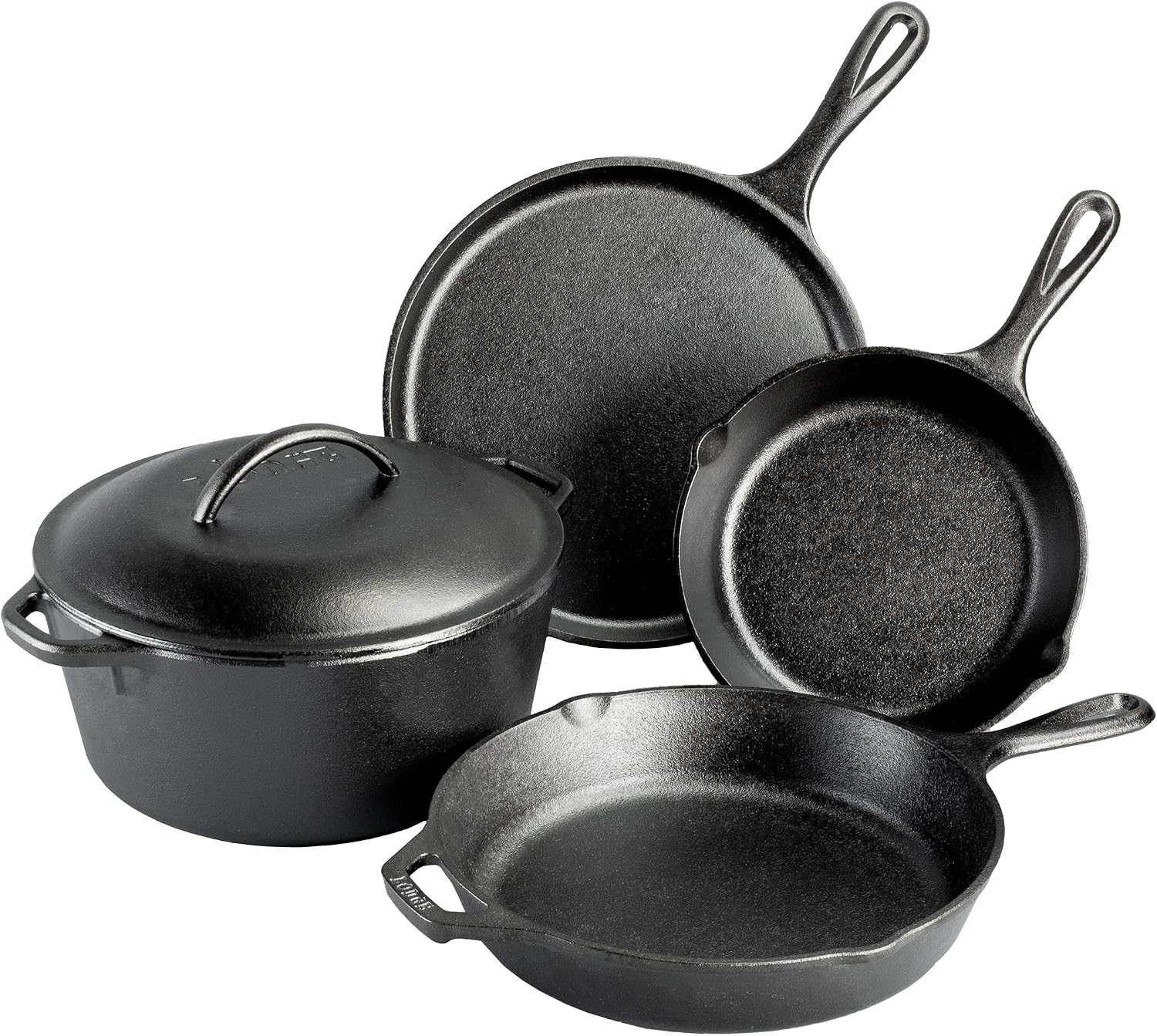
Traditional cooking relies heavily on durable cast iron cookware to achieve reliable heat distribution and superior heat retention across indoor stovetops, residential ovens, outdoor grills, and rugged campfires. These seasoned iron pieces develop dependable nonstick cooking surfaces over time without ever relying on synthetic chemical coatings, offering a straightforward and robust approach to daily meal preparation.
Selecting the right heavy-duty set or standalone skillet depends closely on your specific meal preparation routines, available kitchen storage space, and preferred daily heat sources. Reviewing various multi-piece configurations helps match traditional iron vessels to your daily baking, searing, and braising requirements effectively, ensuring long-term cooking satisfaction and consistently reliable culinary performance in the home kitchen.
As an Amazon Associate, StacyLaughs earns from qualifying purchases.
Buying guide
Material Composition and Seasoning
Traditional iron cookware relies entirely on solid iron and natural oils rather than synthetic nonstick chemical coatings. Pre-seasoned models arrive ready for immediate use, though building a truly lasting nonstick patina takes time, care, and regular cooking habits. Choosing a piece seasoned with natural vegetable or flaxseed oil ensures a chemical-free cooking surface right from day one of ownership.
Over time, repeated heating with culinary oils builds a dark, slick polymer coating that naturally prevents food from sticking during frying or baking. Avoiding harsh chemical detergents helps preserve this protective seasoning layer. If the cooking surface ever becomes dull or food begins to stick, a simple home seasoning session easily restores the smooth finish.
Sizing and Capacity Needs
Selecting the correct pan size or pot capacity depends heavily on your household head count and typical meal types. Smaller eight-inch skillets work wonderfully for single portions, morning eggs, or quick side dishes, while larger ten-inch pans comfortably accommodate family-sized meals and searing tasks. Dutch ovens ranging from five to ten quarts easily handle hearty soups, braised stews, and whole poultry.
Always consider your kitchen storage constraints alongside your daily cooking volume before purchasing comprehensive multi-piece sets. Compact kitchens benefit greatly from stackable pan designs that nest together neatly to preserve valuable cabinet space. Larger specialty pots require dedicated, sturdy storage areas due to their substantial physical dimensions and heavy weight.
Heat Source Compatibility
Heavy iron cookware offers exceptional versatility across a wide variety of modern and traditional cooking surfaces. Most standard pieces function reliably on gas ranges, electric stovetops, and smooth glass or induction surfaces without warping under high operating temperatures. Always check manufacturer guidelines regarding specific residential burner types to ensure safe heat transfer and prevent scratching delicate cooktops.
Beyond indoor kitchens, many traditional iron pots and skillets transition seamlessly to demanding outdoor environments. Backyard grills, open fire pits, and wilderness campfires easily accommodate heavy iron vessels without structural damage. This dual capability allows you to bake, sear, braise, or roast meals wherever your cooking journey takes you, from the kitchen island to the campsite.
Weight and Handle Design
Solid iron vessels are notably heavier than aluminum or stainless steel alternatives, a physical characteristic that directly impacts daily handling comfort. When picking up a fully loaded pot, supportive handle designs become essential for kitchen safety. Look for integrated loop handles or long handles featuring ergonomic grips that provide steady leverage during transport between hot sources and dining tables.
Some specialized outdoor pots feature built-in base legs or dual-purpose lids that double as shallow skillets for frying. While these unique design elements enhance outdoor usability or baking utility, they may lack standard long handles. Evaluate how you plan to lift and maneuver the cookware before settling on a specific handle configuration.
Cleaning and Maintenance
Maintaining traditional iron cookware requires adhering to strict hand-washing routines rather than tossing items into an automated dishwasher. Warm water and a gentle brush remove food residues effectively without stripping the protective seasoned surface. Never allow iron pans to air-dry or soak in stagnant water, as lingering moisture quickly promotes destructive rust formation on exposed metal.
After washing, dry the cookware completely on a warm stove burner to evaporate any hidden moisture. Apply a very thin layer of natural vegetable or flaxseed oil to the warm surface using a clean paper towel or cloth. This simple post-cooking habit protects the bare iron and keeps your cookware reliably nonstick for the next meal.
Indoor Versus Outdoor Use
Traditional iron cookware bridges indoor kitchen ranges and rugged outdoor cooking environments effortlessly. Standard skillets and griddles perform reliably on residential kitchen stovetops for daily breakfasts and dinners. Meanwhile, heavy camp pots equipped with secure pressure lids and support legs excel over open campfires and backyard fire pits during weekend excursions.
Choosing the right model depends largely on where you plan to cook your meals most frequently. Indoor-focused sets emphasize convenient cabinet stackability and standard burner compatibility. Outdoor-focused options prioritize large liquid capacities and rugged support bases that handle uneven campfire coals, ensuring you get reliable performance regardless of your chosen cooking venue.
Frequently asked questions
Can I use metal utensils with pre-seasoned cast iron cookware?
Yes, you can use metal utensils with pre-seasoned cast iron cookware because the surface relies on seasoned oil rather than a delicate synthetic coating. Unlike modern nonstick pans that scratch easily, traditional iron is durable enough to handle metal spatulas, spoons, and turners. However, using wooden or silicone utensils is also fully compatible and widely preferred by many cooks. Regardless of the utensil material you choose, avoiding overly aggressive scraping helps maintain a smooth, even cooking surface over years of daily meal preparation.
How do I clean and store my cast iron pots after cooking?
Cleaning cast iron requires washing the vessel by hand using warm water without harsh dishwashing detergents. Gently scrub away food remnants with a brush, then dry the pot thoroughly on a warm stove burner to eliminate all traces of moisture. Once dried, rub a very thin coat of vegetable or flaxseed oil over the entire surface using a paper towel to prevent rust. Store the oiled cookware in a dry location, or nest stackable pans carefully to maximize available kitchen cabinet space.
Are pre-seasoned cast iron pans truly ready to use out of the box?
Pre-seasoned cast iron pans are treated with natural vegetable or flaxseed oils at the factory, meaning they arrive ready for immediate cooking without requiring an initial home seasoning session. You can simply rinse the pan with warm water, dry it thoroughly, and begin cooking your favorite recipes. While the factory seasoning provides a solid starting point, the nonstick performance naturally improves over time as you continue to cook oily or fatty foods regularly in the vessel.
Can I use cast iron cookware on modern glass or induction stovetops?
Most traditional cast iron cookware is fully compatible with gas, electric, and smooth surface induction stovetops. The flat bottom surfaces of standard skillets and griddles make excellent contact with glass cooktops. However, because cast iron is heavy and dense, you should always lift the pans rather than sliding them across glass surfaces to avoid scratching the cooktop. Always verify that the bottom of your specific iron cookware sits flat and clean before heating it on an induction range.
What causes cast iron to rust, and how can I prevent it?
Cast iron rusts when moisture is left in contact with the bare metal surface for extended periods. Leaving pans wet, soaking them in a sink, putting them in a dishwasher, or failing to dry them completely after washing will quickly cause orange rust spots to appear. To prevent this, always dry your iron cookware immediately over heat and apply a protective micro-layer of oil. Storing your pans in a dry environment further protects the metal from humidity.