Appliances · Buying Guide
Best Alternatives to Belgique Copper Bottom Cookware for Precision Kitchen Cooking
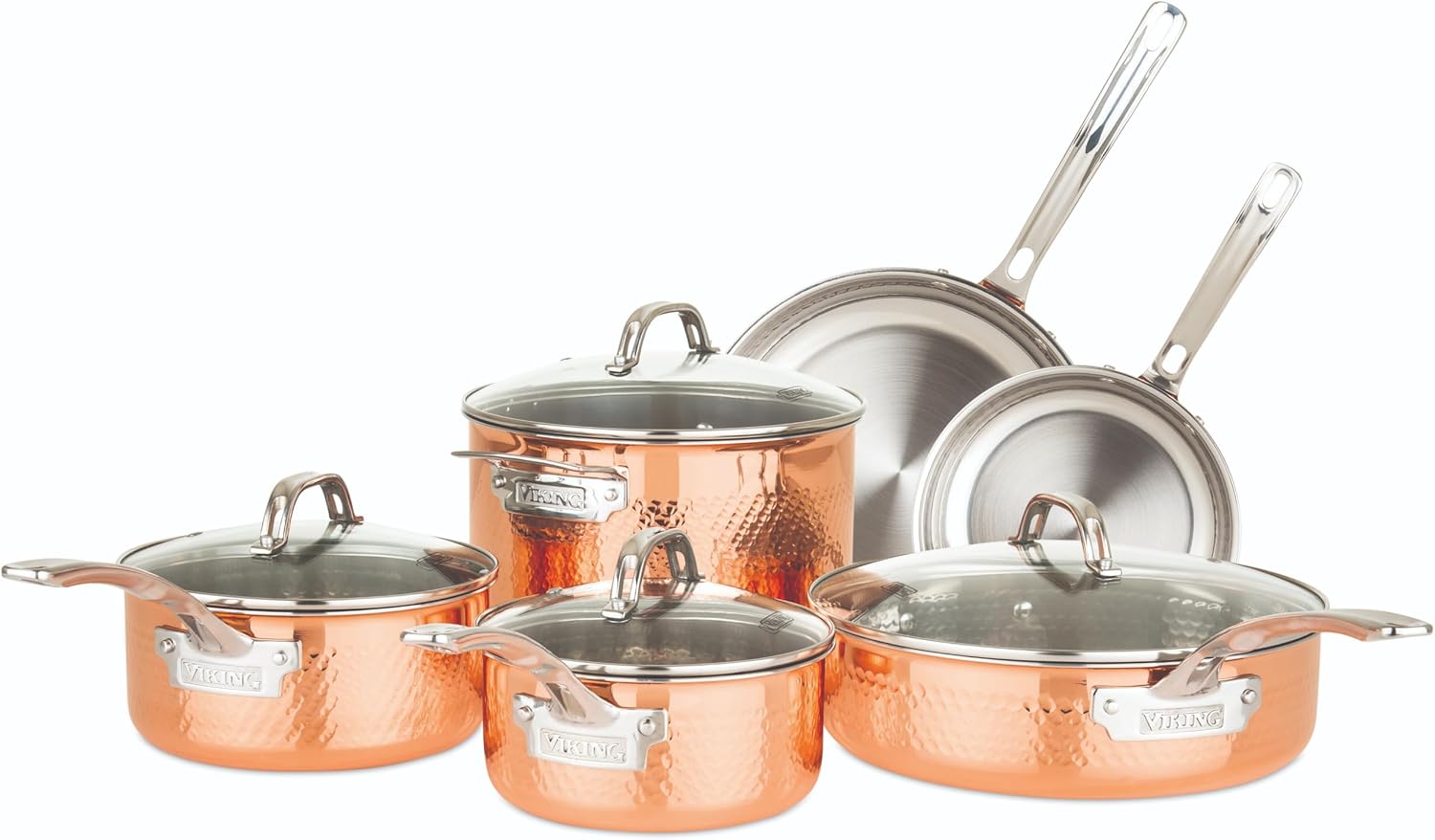
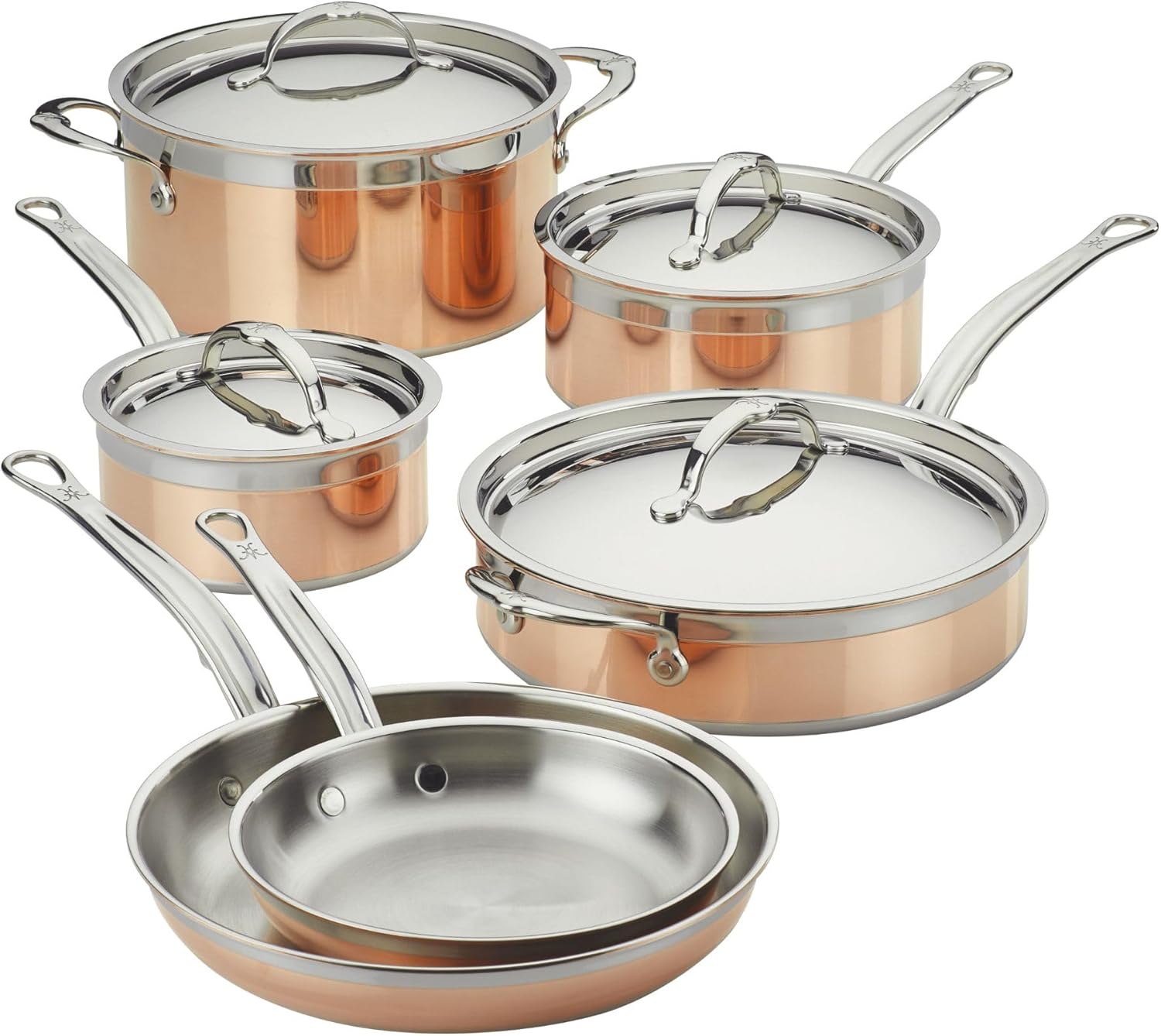
Upgrading your kitchen with reliable cookware transforms daily meal preparation, offering the precise heat management required for delicate sauces, complex sautés, and searing meats. Many discerning home cooks searching for belgique copper bottom cookware explore multi-ply alternatives that deliver rapid thermal response, attractive aesthetics, and robust construction for everyday culinary tasks across modern households.
High-performance metal combinations, including copper exteriors paired with stainless steel interiors, provide exceptional temperature control while maintaining a nonreactive cooking surface that preserves authentic food flavors. Selecting the proper set involves carefully evaluating piece counts, ergonomic handle designs, stovetop compatibility, oven safety limits, and routine maintenance practices to match your specific cooking style and kitchen setup.
As an Amazon Associate, StacyLaughs earns from qualifying purchases.
Buying guide
Evaluating Thermal Construction and Core Materials
Selecting high-end copper cookware requires understanding how core materials influence heat distribution and overall cooking performance in professional and home kitchens alike. Multi-ply construction typically bonds highly conductive metals like copper and aluminum with durable stainless steel interiors, creating balanced vessels that heat rapidly without forming dangerous hot spots across the cooking surface during demanding high-heat cooking tasks.
Pure copper layers offer unmatched thermal response, allowing home chefs to adjust temperatures instantly when preparing delicate reductions, delicate caramel, or perfectly seared proteins. While solid copper provides superior responsiveness, bonded designs incorporate stainless steel interiors to prevent metallic reactions with acidic ingredients, ensuring long-term durability, easy food release, and safe daily meal preparation routines.
Stovetop Compatibility and Induction Requirements
Modern kitchens feature diverse cooking appliances, making stovetop compatibility a vital purchasing criterion when shopping for premium cookware collections. Traditional copper cookware often requires specific adaptations for induction cooktops because pure copper lacks magnetic properties. Manufacturers frequently incorporate specialized stainless steel bases or magnetic exterior layers to bridge this technological gap successfully.
Before investing in a complete set, verify whether your chosen pots and pans function seamlessly on gas, electric, ceramic, and induction surfaces. Some traditional collections require separate interface discs for induction use, while advanced multi-ply sets feature built-in magnetic layers that ensure high energy efficiency without additional accessories, streamlining your daily cooking setup and appliance versatility.
Handle Ergonomics and Structural Durability
The physical interaction between cook and cookware heavily depends on handle design, weight distribution, and attachment methods across every piece. Premium sets utilize cast stainless steel, traditional brass, or engineered metal handles that offer comfortable grips and balanced leverage when lifting heavy stockpots filled with boiling liquids. Ergonomic contours significantly reduce wrist fatigue during extended meal preparation sessions.
Riveted handle attachments provide long-lasting structural durability, ensuring that handles remain securely attached through years of heavy kitchen use. Advanced manufacturing techniques sometimes incorporate flush interior rivets, which eliminate internal food traps and simplify cleaning routines by presenting a smooth cooking wall. Evaluating handle comfort and secure attachment prevents hand strain during frequent daily cooking tasks.
Lid Design and Moisture Retention Features
Covers and lids play a fundamental role in regulating internal moisture, trapping heat, and accelerating cooking times for complex stews and braises. Stainless steel lids offer unmatched durability and heavy seals that lock in flavors effectively, while vented glass options allow cooks to monitor food progress visually without lifting the cover and losing valuable thermal energy.
Consider how lid construction aligns with your specific cooking preferences and maximum oven temperature requirements during baking tasks. Glass lids often feature lower heat thresholds compared to heavy metal lids, limiting their utility in high-heat broiler applications. Selecting matching lids with secure rims ensures consistent steam circulation and prevents messy boil-overs during extended simmering tasks.
Maintenance Routines and Cleaning Requirements
Owning premium copper cookware requires adhering to specific manufacturer maintenance guidelines to preserve both aesthetic appeal and structural integrity over time. Most high-end copper sets explicitly prohibit automated dishwasher cleaning, requiring dedicated manual hand washing with mild cleansers. Avoiding abrasive scouring pads prevents scratching the polished exterior finish and delicate copper surfaces during routine cleanup.
Following manufacturer care instructions extends the lifespan of your investment, keeping stainless steel interiors hygienic and copper exteriors vibrant. Regular drying with soft microfiber cloths prevents water spots and tarnishing, ensuring your kitchen investment maintains its brilliant appearance. Evaluating your willingness to commit to routine hand washing is essential before purchasing high-performance metal cookware.
Oven Safety and Maximum Temperature Limits
Versatility in cooking often involves transitioning pans seamlessly from stovetop burners to hot oven interiors for roasting or finishing dishes. Premium copper cookware collections typically boast impressive thermal thresholds, often supporting oven temperatures up to six hundred degrees Fahrenheit. This high capacity allows home chefs to sear proteins on the stove and finish baking inside the oven effortlessly.
However, individual components within a set, such as glass lids or specialized handle coatings, may impose lower temperature restrictions that must be respected to avoid damage. Checking maximum heat ratings prevents warping or material degradation during high-temperature baking and broiling tasks, ensuring your cookware performs reliably across diverse culinary applications and recipes.
Frequently asked questions
Can copper cookware be cleaned in a dishwasher?
Most premium copper cookware sets explicitly require hand washing and prohibit automated dishwasher cycles to protect their exterior finishes and metal integrity. Dishwasher detergents often contain harsh chemicals or abrasive agents that can erode stainless steel interiors or tarnish and pit copper exteriors. Manufacturers recommend washing pots and pans manually using mild cleansers and soft cloths, followed by thorough drying to prevent water spots and maintain the brilliant polished appearance of your kitchen investment over years of regular use.
Are copper cookware sets compatible with induction cooktops?
Compatibility with induction cooktops varies significantly depending on the specific manufacturing design and materials used in the cookware construction. Because pure copper is non-magnetic, traditional copper pots and pans will not work on induction surfaces unless they feature a specialized magnetic stainless steel base or an encapsulated magnetic core. Some manufacturers offer separate induction interface discs to bridge this gap, while modern multi-ply collections incorporate wrap-around magnetic stainless steel bases specifically engineered to deliver high heating efficiency on modern induction cooktops without requiring external accessories.
Why do copper pans require lower heat settings on the stovetop?
Copper possesses exceptional thermal conductivity, meaning it absorbs and distributes heat far more rapidly and evenly than traditional stainless steel or aluminum cookware. Because heat transfers with such high efficiency, cooktop knobs and burner controls should not be operated at maximum heating capacity. Manufacturers often recommend reducing burner settings to prevent overheating, burning food, or damaging the metal structure. Operating burners at moderate capacity provides all the necessary thermal power while safeguarding your premium cookware against prolonged thermal stress and potential warping.
What is the benefit of a stainless steel interior in copper cookware?
Pairing a copper exterior with a stainless steel interior provides the ideal combination of rapid thermal control and safe culinary performance. While copper delivers unmatched heat distribution across the base and sidewalls, raw copper can react chemically with acidic foods like tomatoes or citrus, altering flavors and potentially leaching compounds. The nonreactive stainless steel interior preserves the natural taste and nutritional qualities of your ingredients, offers easy food release, and provides a durable, hygienic cooking surface that resists corrosion and cleans effortlessly.
How do multi-ply bonded layers improve cooking performance?
Multi-ply bonded construction layers different metals together—typically sandwiching highly conductive copper and aluminum cores between durable exterior and interior stainless steel sheets. This engineered layering eliminates localized hot spots, ensuring that heat distributes evenly from edge to edge across the entire bottom and sidewalls of the pan. Such uniform thermal performance allows home cooks to achieve precise browning, even simmering, and consistent temperature control, resulting in superior culinary outcomes whether you are reducing delicate sauces or searing thick steaks.