Appliances · Buying Guide
Best Belgique Stainless Steel Cookware Alternatives and Sets
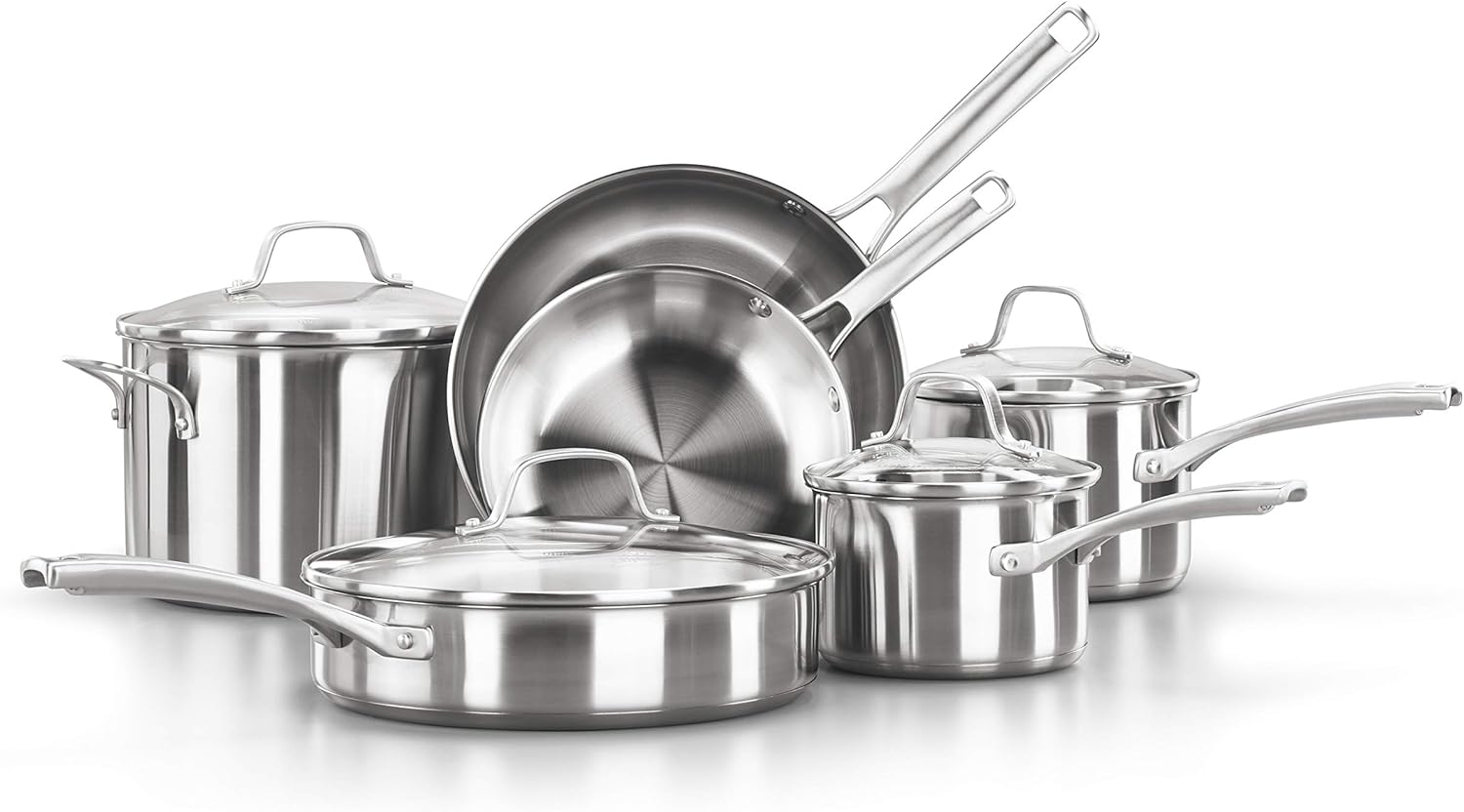
Finding durable cookware to handle daily meal preparation requires careful attention to material construction, heat distribution, and compatible household cooktops. Whether you are replacing worn pans or upgrading your kitchen arsenal, exploring options that mirror the reliability of belgique stainless steel cookware helps you identify sets designed for lasting performance across various culinary tasks and daily cooking routines.
The market offers numerous multi-ply and encapsulated base options featuring riveted handles, oven safety, and dishwasher compatibility. Reviewing specific manufacturer specifications ensures you select pots and pans matching your specific cooking habits, stovetop types, and storage constraints without relying on vague marketing claims or unverified performance ratings across different brands.
As an Amazon Associate, StacyLaughs earns from qualifying purchases.
Buying guide
Understanding Cookware Construction Materials
Choosing the right metal construction dictates how effectively your pots and pans manage heat during daily meal preparation. Multi-ply and fully clad designs bond conductive layers of stainless steel and aluminum together across the entire body. This advanced structural approach ensures that thermal energy travels up the sidewalls rather than remaining confined solely to the bottom disk.
Encapsulated bases offer an alternative approach by sealing an aluminum disc directly into the bottom of the pan. While these heat up quickly on standard burners, fully clad options provide superior sidewall performance for complex braising recipes. Evaluate your cooking style to determine whether bonded layers justify the investment for your kitchen.
Evaluating Stovetop Compatibility Options
Modern residential kitchens feature diverse cooking surfaces ranging from traditional gas burners to sleek electric coils and induction glass cooktops. Stainless steel cookware generally adapts well across multiple heat sources due to magnetic exterior layers required for modern induction technology. Verifying baseline compatibility guarantees that your newly purchased pots function seamlessly regardless of your current stove setup, kitchen layout, or fuel type.
Induction cooktops specifically require magnetic stainless steel exteriors to generate heat effectively through alternating electromagnetic fields. Checking manufacturer specifications carefully prevents frustrating compatibility issues when transitioning between different home appliances or planning future home kitchen renovations involving brand-new kitchen stoves, ranges, or glass cooktops.
Managing Oven Safety and Temperature Limits
Many stainless steel sets allow home cooks to transition pots and pans directly from the active stovetop into the residential oven for baking or roasting. However, maximum temperature thresholds vary significantly between different product collections available on the market today. Some sets cap thermal safety at 450 degrees Fahrenheit due to the inclusion of tempered glass lids.
Other professional-grade sets equipped with solid stainless steel lids tolerate extreme heat up to 800 degrees Fahrenheit safely without material degradation or warping. Reviewing these specific thermal limits prevents accidental structural damage to handles, lids, or internal components during high-heat culinary applications like broiling or artisanal bread baking.
Understanding Handle Design and Ergonomics
Handle construction heavily influences physical comfort, user safety, and heat management during long stovetop cooking sessions and meal prep. Stainless steel riveted handles offer permanent attachment strength that easily withstands decades of heavy daily kitchen use. Hollow-core handle designs specifically slow thermal heat transfer away from the hot pan body to protect your hands.
Solid handles may absorb more heat on the stovetop, requiring protective mitts or potholders during extended simmering or boiling tasks. Inspecting handle attachment styles and thermal properties helps ensure a secure, comfortable grip while lifting heavy pots filled with water or heavy food ingredients.
Cleaning and Maintenance Requirements
Maintaining stainless steel cookware requires understanding proper cleaning techniques to preserve finish quality over long periods of active time. While many modern sets feature official dishwasher-safe designations, hand washing is frequently recommended by manufacturers to prevent water spots and dull discoloration. Allowing hot pans to cool gradually before cleaning prevents thermal shock warping across the metal layers.
Treating stubborn burnt food involves specialized stainless steel cleaning products or simple warm soapy water soaking and scrubbing methods. Following manufacturer care guidelines ensures your cookware investment maintains its polished aesthetic and reliable cooking performance over years of continuous household food preparation and baking tasks.
Assessing Set Size and Component Variety
Cookware sets range from compact ten-piece collections to extensive fourteen-piece assortments designed specifically for large households and frequent hosts. Selecting the right size depends heavily on your available kitchen cabinet storage space and daily cooking habits. Smaller sets offer core essentials without cluttering small kitchen spaces unnecessarily or creating storage bottlenecks.
Larger configurations include specialized vessels like heavy Dutch ovens, multiple frying pan sizes, and extra saucepans for complex multi-course meals and gatherings. Weighing piece counts against your home storage constraints ensures a practical, functional addition to your overall kitchen inventory and daily culinary routine at home.
Frequently asked questions
Can stainless steel cookware be used on induction cooktops?
Yes, stainless steel cookware works well on induction cooktops provided the exterior layer consists of magnetic stainless steel. Because induction technology relies on magnetic fields to generate direct heat within the pan itself, manufacturers design compatible collections with magnetic stainless bases or fully clad outer layers. Always check the specific product specifications to confirm induction readiness before purchasing any cookware set, ensuring it will function properly with your specific cooktop model.
Are stainless steel pots and pans safe to use in the oven?
Most stainless steel cookware sets offer excellent oven safety ratings, allowing you to transition pans directly from the stovetop for baking or broiling. However, the maximum temperature limit frequently depends on the handle materials and lid construction. Sets featuring tempered glass lids usually limit oven safety to 450 degrees Fahrenheit, while collections with solid stainless steel lids and hollow-core handles can often withstand extreme temperatures up to 800 degrees Fahrenheit without sustaining damage.
How do I prevent food from sticking to stainless steel pans?
Preventing food from sticking to stainless steel cooking surfaces primarily involves proper preheating techniques before adding cooking oils. Allowing the empty pan to heat up over medium heat for a brief period before introducing oil creates a thermal barrier that naturally releases food. Additionally, bringing refrigerated foods closer to room temperature before cooking and ensuring the cooking surface remains clean helps minimize stubborn residue accumulation during everyday use.
Is it safe to put stainless steel cookware in the dishwasher?
Many stainless steel cookware collections feature official dishwasher-safe designations for convenient cleanup after meals. However, manufacturers frequently recommend hand washing your pots and pans with warm soapy water to preserve the polished exterior finish over time and prevent potential water spotting. If you choose to use a dishwasher, allowing the cookware to cool completely beforehand and drying items immediately afterwards helps maintain their aesthetic appearance.
What is the difference between encapsulated bases and fully clad sets?
Encapsulated base cookware features a disc of conductive aluminum sealed into the bottom of the pan to distribute heat across the lower surface. In contrast, fully clad or multi-ply sets bond layers of stainless steel and aluminum across the entire body, extending up through the sidewalls. This continuous multi-layer construction eliminates hot spots and provides superior thermal responsiveness along the sides, making fully clad sets ideal for advanced braising and simmering tasks.