Appliances · Buying Guide
Best Biggest Cast Iron Skillet Options for Massive Crowd Cooking
Finding the right cookware for massive gatherings requires evaluating heavy-duty materials that can handle extreme temperatures across stovetops, grills, and open campfires. Oversized iron pans provide the thermal mass necessary for uniform heat distribution during large-batch meal preparation, ensuring every portion cooks evenly whether you are searing multiple steaks or baking a large family frittata.
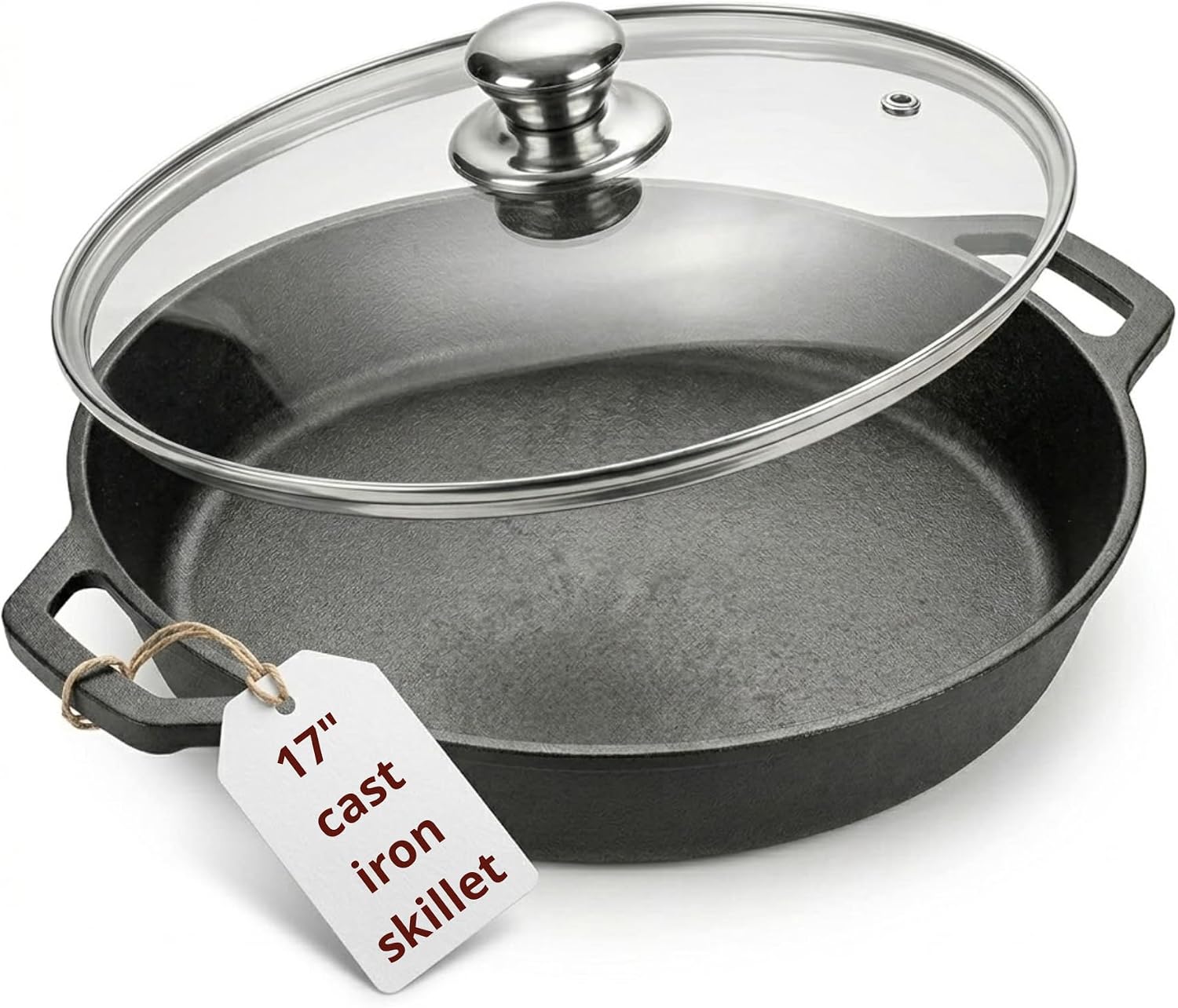
When shopping for the biggest cast iron skillet options, buyers must carefully weigh massive cooking surfaces against domestic appliance constraints, storage space, and physical lifting requirements. Reviewing specific dimensions, handle configurations, and surface treatments helps match heavy-duty cookware to your specific cooking environment, balancing exceptional capacity with practical everyday usability.
As an Amazon Associate, StacyLaughs earns from qualifying purchases.
Buying guide
Evaluating Surface Dimensions and Appliance Compatibility
Selecting an oversized skillet requires careful physical measurement of your household cooking appliances before making a final purchasing decision. A massive cast iron pan cannot deliver optimal heat distribution if it overhangs your stovetop burner boundaries or touches appliance walls improperly. Taking time to map out your kitchen layout ensures a smooth integration of oversized cookware into your daily routine.
Always check your specific stove grates, oven interior width, and outdoor grill dimensions to confirm adequate clearance. Verifying these physical specifications prevents frustrating placement issues and guarantees that your chosen pan sits securely across its intended heat source. Proper sizing contributes directly to safer handling and more consistent culinary outcomes during large-batch cooking sessions.
Understanding Weight and Handling Requirements
Heavy-duty iron cookware possesses substantial physical mass that directly impacts everyday handling routines. Large skillets often weigh significantly more than standard pans, especially when loaded with food portions. Evaluating your physical lifting comfort ensures you can transfer hot meals safely from burners to ovens or tabletops without unexpected strain or sudden spills.
Look for dual-handle designs or auxiliary assist grips that provide balanced leverage during transport. Models featuring sturdy side loops allow two-handed lifting, which offers superior control over heavy loads compared to single long handles. Prioritizing secure grip configurations helps mitigate safety risks when navigating hot kitchens or outdoor campsites with heavy pans.
Surface Treatments and Seasoning Maintenance
The exterior finish of a cast iron pan dictates its initial readiness and long-term upkeep requirements. Pre-seasoned surfaces treated with natural vegetable oils provide a functional non-stick barrier right out of the box, reducing immediate preparation steps. Advanced surface treatments like nitriding create hardened outer layers designed to resist moisture and simplify traditional maintenance routines effectively.
Understanding how to maintain your skillet surface preserves its natural non-stick qualities over years of heavy use. Hand washing is standard practice across cast iron cookware to protect the seasoned finish from harsh detergents. Regular light oiling after cleaning prevents oxidation and ensures the pan remains ready for your next large-batch cooking adventure.
Heat Tolerance and Thermal Performance
Exceptional thermal mass is a defining characteristic of oversized cast iron cookware, allowing for steady, uniform heat retention. When searing meats or baking at elevated temperatures, these heavy pans maintain consistent cooking heat across the entire base. Reviewing maximum temperature ratings ensures the skillet can transition safely between gas stovetops, indoor ovens, and open campfires.
Different models support varying temperature thresholds based on their specific material composition and included components like glass lids. Matching your preferred cooking style to these thermal limits prevents accidental damage to specialized finishes or fitted accessories. High heat tolerance expands your recipe options, enabling everything from stovetop frying to intense oven roasting.
Choosing Between Open Skillets and Covered Models
Deciding whether to purchase a standalone open skillet or a covered model depends heavily on your preferred daily cooking techniques. Open skillets provide unrestricted vertical space for flipping, stirring, and high-heat searing without lid interference. They work exceptionally well for large batches of pan-fried foods, grilled items, and sprawling stovetop breakfast spreads.
Covered options introduce matched lids that lock in heat and moisture during braising, stewing, and slow-cooking tasks. Tempered glass lids offer the added advantage of visual monitoring without lifting the cover, while heavy iron lids supply rugged durability for campfires. Assess your favorite recipes to determine which lid configuration best matches your culinary routine.
Storage Space and Kitchen Integration
Integrating oversized cookware into your home requires evaluating your available storage capacity and kitchen organization. Massive pans take up significant cabinet space or require dedicated hanging racks capable of supporting heavy loads. Planning where to store your skillet before purchase prevents clutter and ensures easy access whenever batch cooking occasions arise.
Consider whether your storage area can accommodate extra accessories like glass lids or auxiliary handles without risking damage. Proper storage protects the seasoned surface from moisture and accidental impacts while keeping your kitchen counters clear. Thoughtful space management turns bulky cookware from an organizational hurdle into a seamless kitchen asset.
Frequently asked questions
How do I clean and maintain an oversized pre-seasoned cast iron skillet?
Cleaning an oversized pre-seasoned cast iron skillet requires hand washing with warm water rather than harsh chemical detergents that can strip the natural finish. While manufacturers recommend hand washing only, you can use a stiff brush to remove stuck-on food particles without damaging the seasoning. After washing, dry the pan completely with a towel or place it briefly on a warm burner to evaporate lingering moisture. Apply a very thin layer of vegetable oil across the interior and exterior surfaces while the pan is still slightly warm to prevent rust and maintain its non-stick properties.
Can I use a large cast iron skillet on a glass or induction cooktop?
Compatibility depends entirely on the specific product specifications and your cooktop type. Many traditional iron skillets work well on gas and smooth surface induction cooktops, provided the bottom is flat and compatible devices are listed. However, because oversized pans are exceptionally heavy, sliding them across delicate glass or ceramic cooktops can cause scratches or cracks. You should always lift the heavy skillet rather than dragging it when repositioning it on smooth glass surfaces. Check the manufacturer guidelines for your exact model to confirm proper cooktop pairing before cooking.
What are the main benefits of choosing a nitrided cast iron surface?
A nitrided cast iron surface undergoes a specialized treatment process that hardens the outer layer of the metal, creating superior resistance to rust and moisture compared to traditional iron finishes. This treatment significantly reduces the maintenance burden, making the pan easier to care for over long periods of heavy use. While conventional cast iron requires diligent oiling and careful drying to prevent oxidation, nitrided surfaces stand up more resiliently to moisture exposure. This makes nitrided options particularly practical for outdoor cooking, camping trips, and busy environments where traditional seasoning might degrade faster.
Do oversized cast iron skillets come with lids, or are they sold separately?
Inclusion of a lid varies by specific product model and manufacturer design. Some extra-large skillet packages include matched covers, such as tempered glass lids for monitoring food or heavy-duty cast iron lids for maximum heat retention during braising. Other oversized skillets are sold as standalone pans without any accompanying lid. You should carefully review the product listing details to verify whether a lid is included in the box before completing your purchase, ensuring you get the exact configuration required for your preferred cooking methods like frying or braising.
How do I prevent food from sticking to a new cast iron skillet?
Pre-seasoned cast iron skillets feature a natural oil finish designed to provide a functional non-stick surface right out of the box, but proper cooking habits enhance this performance. Always preheat your skillet gradually over low to medium heat before adding cooking oils or food ingredients, as gradual heating prevents hot spots and promotes even release. Using a small amount of cooking oil or butter during initial uses helps build up the seasoning layer over time. Avoid cooking highly acidic foods for extended periods until your skillet has developed a well-seasoned patina from regular use.