Appliances · Buying Guide
Best Calphalon 12 Quart Stock Pot Alternatives and Top Picks
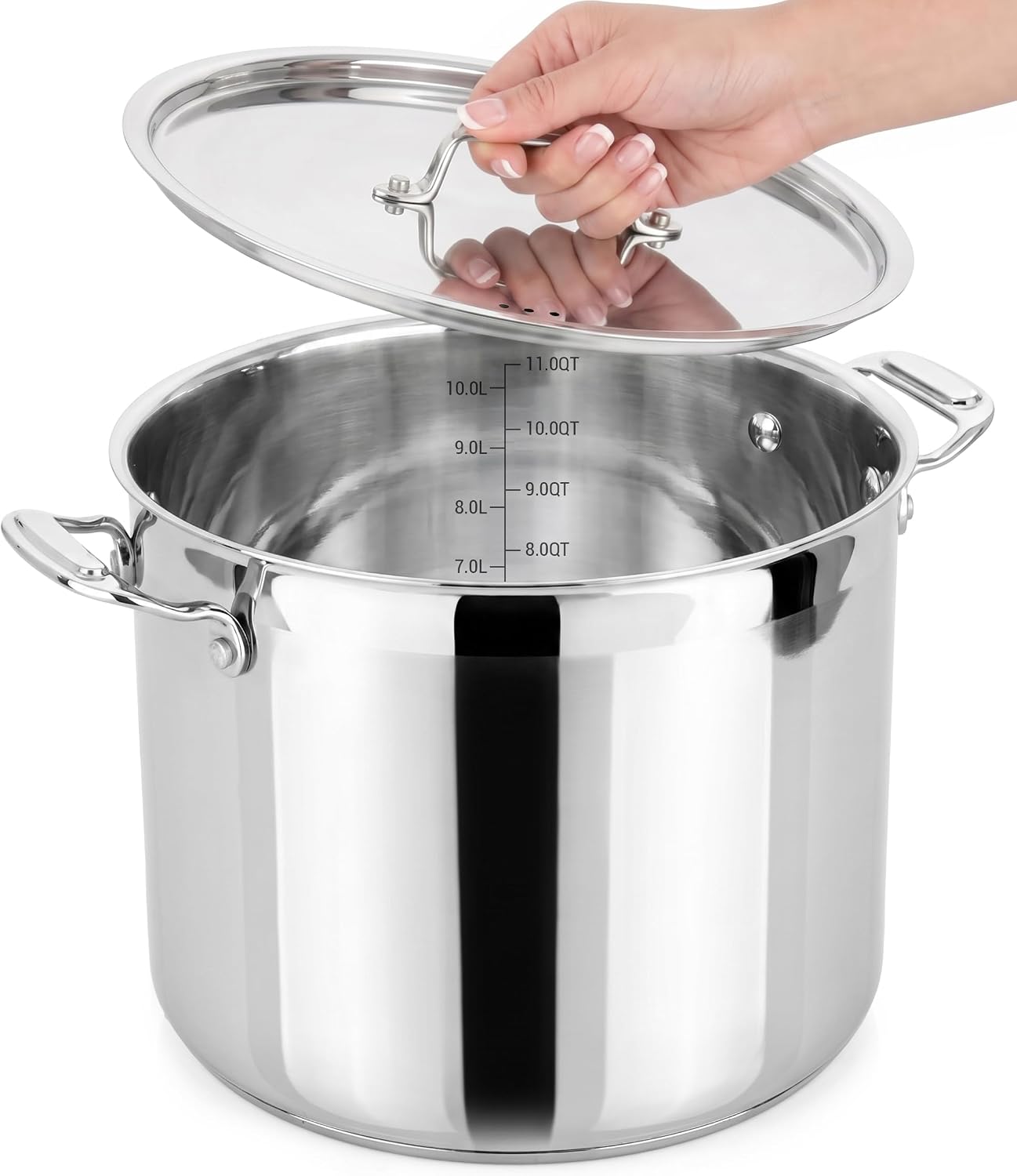
Cooking for a crowd requires dependable cookware designed for large batches, and a 12-quart stock pot delivers the massive capacity needed for boiling pasta, simmering savory broths, and crafting hearty stews. Home cooks often seek out a reliable calphalon 12 quart stock pot or comparable heavy-duty vessels to handle big family meals and holiday feasts efficiently without overcrowding the burner.
Choosing the right large-capacity pot involves balancing materials like hard-anodized aluminum or tri-ply stainless steel against your specific stovetop setup and cleanup preferences. Reviewing available options helps you find a cookware piece matching your kitchen routines, storage constraints, and everyday cooking style without relying on guesswork or exaggerated claims.
As an Amazon Associate, StacyLaughs earns from qualifying purchases.
Buying guide
Capacity and Dimension Considerations
Selecting a twelve-quart stock pot means evaluating how its physical footprint fits your kitchen storage space. Large pots occupy considerable burner area and demand adequate vertical clearance in kitchen cabinets or pantries. Understanding exact external dimensions ensures the vessel rests securely on your stove without tipping or crowding adjacent burners during multi-dish preparation sessions.
Consider how often you cook in large batches for family gatherings. A twelve-quart capacity easily accommodates bulk soups, stocks, and pasta boils for crowds. However, filling a pot of this size creates significant weight when full of liquids. Ensure your chosen model features balanced handles that make lifting and transporting manageable from stovetop to sink.
Material Selection and Heat Distribution
The underlying material of your stock pot dictates how efficiently heat transfers from the burner to your food. Aluminum cores offer rapid temperature response, while stainless steel options provide exceptional durability and long-term resistance to wear. Evaluating these metal types helps match your cooking habits with a vessel that prevents hot spots and cooks evenly.
Tri-ply and encapsulated bases combine multiple materials to maximize thermal performance across different stovetops. Stainless steel exteriors provide induction compatibility and a polished appearance, while inner aluminum layers speed up thermal conductivity. Choosing the right combination ensures consistent simmering results for delicate broths and rapid boiling for heavy pasta loads.
Interior Coatings and Food Release
Deciding between coated nonstick interiors and traditional bare metal surfaces depends entirely on what you plan to cook most frequently. Modern nonstick coatings, including ceramic or mineral-infused layers, prevent thick sauces and starchy residues from baking onto the bottom. This simplifies cleanup significantly after preparing large batches of food for hungry family meals.
Bare stainless steel interiors offer superior longevity and easily tolerate metal utensils without scratching or degrading over time. While they lack built-in food release properties, they allow for high-heat searing and deglazing to build rich pan sauces. Weighing everyday cleaning convenience against long-term durability helps determine the ideal surface finish for your kitchen.
Handle Design and Ergonomic Comfort
When dealing with a twelve-quart pot filled with water or soup, secure handle construction becomes paramount for kitchen safety. Riveted stainless steel handles offer permanent attachment strength, ensuring the vessel will not loosen during years of heavy lifting. Look for ergonomic contours that accommodate a firm grip, even when wearing thick protective oven mitts.
Some modern pots incorporate silicone grips over metal handles to remain cool on the stove, reducing the need for separate potholders. However, you must verify manufacturer temperature limits if you plan to transfer the pot into a hot oven. Balancing thermal insulation with oven safety ratings ensures your handles match your intended cooking techniques.
Lid Options and Moisture Retention
The lid of a stock pot plays a vital role in trapping steam, locking in flavors, and maintaining steady internal temperatures during long simmers. Tempered glass lids allow you to monitor cooking progress easily without lifting the cover and releasing accumulated heat. This visual transparency helps you keep a close eye on simmering stocks and broths.
Metal lids constructed from matching stainless steel provide maximum durability and withstand higher oven temperatures without any risk of cracking. They form a tight seal to retain moisture effectively during extended braising or boiling tasks. Consider whether you prefer monitoring visibility or maximum temperature tolerance when selecting your preferred lid style.
Stovetop Compatibility and Maintenance
Ensuring your stock pot matches your specific kitchen cooktop is a critical step before making a final purchase decision. Gas and electric burners accommodate almost any pot material, but induction cooktops require a specific magnetic base layer to conduct heat properly. Always check manufacturer specifications to guarantee your chosen pot will function efficiently on your stove.
Maintenance requirements also vary depending on the exterior finish and internal coating of the cookware pieces. While many stainless steel and nonstick pots claim dishwasher safety, hand washing often preserves surface finishes and prevents cosmetic tarnishing over time. Following proper cleaning guidelines protects your investment and maintains optimal cooking performance for years.
Frequently asked questions
What can I cook in a 12-quart stock pot?
A twelve-quart stock pot provides ample room for preparing massive quantities of food, making it ideal for boiling large batches of pasta, corn on the cob, or seafood for a crowd. You can easily simmer chicken or beef bone broths for hours, create large pots of chili, or cook gallons of vegetable soup. Its generous depth prevents liquids from boiling over easily, while the wide base accommodates substantial ingredients without crowding, serving both large family meals and neighborhood gatherings.
Are 12-quart stock pots safe for induction cooktops?
Many twelve-quart stock pots are compatible with induction cooktops, but compatibility depends entirely on the specific materials used in the base construction. Stainless steel models featuring magnetic metal layers or pots equipped with specially bonded induction plates work seamlessly on induction burners. However, pots made purely of standard aluminum without a magnetic base plate will not function on induction surfaces. Always review the manufacturer specifications to confirm induction readiness before purchasing your cookware.
How do I clean a stock pot with burnt food at the bottom?
Cleaning burnt food from the bottom of a stock pot depends heavily on whether your pot features a nonstick coating or a bare stainless steel interior. For stainless steel models, filling the pot with warm soapy water and letting it soak helps loosen stubborn residue, followed by gentle scrubbing with a non-abrasive pad. For nonstick surfaces, avoid harsh metal scouring pads entirely to protect the coating; instead, use a soft sponge and mild dish detergent after soaking.
Can I put a 12-quart stock pot in the oven?
Oven safety for a twelve-quart stock pot varies depending on the materials and components used in its construction. Stainless steel models with metal handles often withstand temperatures up to five hundred degrees Fahrenheit, making them suitable for baking and roasting. Conversely, pots featuring nonstick coatings, glass lids, or silicone handle grips typically have lower temperature restrictions, often capped around four hundred fifty degrees. Always check the manufacturer guidelines to verify specific thermal limits before placing cookware in the oven.
Why should I choose a hard-anodized or stainless steel stock pot?
Choosing between hard-anodized aluminum and stainless steel stock pots depends on your preferred cooking and cleaning style. Hard-anodized pots usually feature advanced nonstick interiors that offer effortless food release and quick cleanup, making them popular for sticky reductions and soups. Stainless steel pots provide unmatched durability, allow the use of metal utensils, and resist scratching, appealing to cooks who prioritize long-term resilience and high-heat searing capabilities over nonstick coatings.