Appliances · Buying Guide
Best Calphalon 8 Quart Stock Pot and Alternative Choices
Selecting a reliable 8-quart stock pot means looking closely at materials, heating performance, and everyday kitchen compatibility. Whether you are boiling large batches of pasta, simmering hearty broths, or crafting homemade soups, having the right vessel simplifies your cooking routine and handles high-capacity demands with ease.
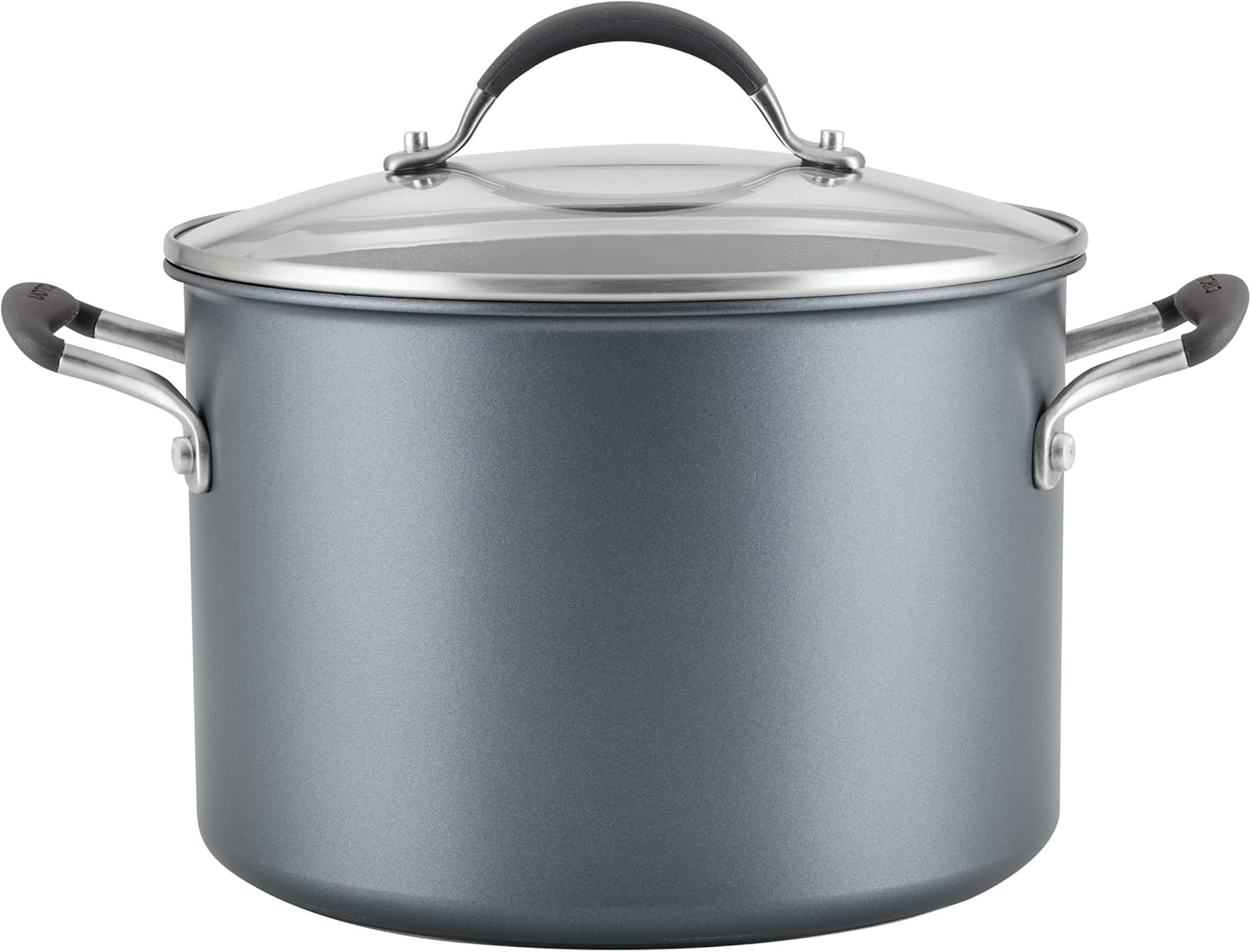
This review examines the leading 8-quart stock pots available today, centered around the Calphalon Contemporary option alongside notable alternatives from KitchenAid, All-Clad, Circulon, and Cuisinart. Each model brings distinct material choices, coating types, and design elements to help you find the best fit for your specific stovetop setup and daily meal preparation preferences.
As an Amazon Associate, StacyLaughs earns from qualifying purchases.
Buying guide
Material Selection and Heat Distribution
Choosing the right material for an 8-quart stock pot directly impacts how evenly your soups, broths, and pasta waters heat up. Hard-anodized aluminum options provide excellent durability and rapid thermal conductivity, often paired with nonstick coatings for effortless food release. Stainless steel alternatives offer a reactive-free surface that resists discoloration and preserves authentic food flavors over years of heavy use.
Evaluating your primary cooking style helps determine whether aluminum or steel serves you best. Hard-anodized models excel at maintaining steady temperatures during slow simmers, while stainless steel options handle high heat without coating degradation concerns. Matching the material to your regular recipes ensures consistent performance across everyday kitchen tasks.
Stovetop Compatibility and Induction Bases
Modern kitchens feature a wide variety of cooktop types, making stovetop compatibility a critical purchasing factor for any 8-quart stock pot. Many aluminum pots incorporate bonded steel or thick forged bases specifically engineered to work seamlessly on gas, electric, and induction ranges. Checking the base construction ensures that the pot establishes proper magnetic contact for efficient induction heating.
Energy-saving induction cooktops require flat, ferrous metal bases to transfer heat effectively across the entire cooking surface. Selecting a pot with an edge-to-edge induction-suitable base prevents uneven heating zones and significantly reduces boiling times for large water volumes. Always verify your chosen pot supports your specific range setup before committing to a final purchase decision.
Interior Coatings and Food Release
Interior surface treatments dictate how easily foods and liquids release from the pot and how straightforward post-cooking cleanup will be. Nonstick multi-layer coatings prevent delicate ingredients from adhering to the bottom, making them ideal for simmering thick stews or melting cheeses. Bare metal stainless steel interiors, conversely, provide a durable surface that withstands metal utensils and abrasive cleaning tools without flaking.
Deciding between nonstick and bare metal depends on your tolerance for maintenance versus your need for effortless food cleanup. Nonstick interiors require careful utensil selection, usually favoring wood or silicone tools to protect the coating layers. Stainless steel surfaces eliminate coating wear worries but may demand soaking after boiling starches.
Handle Design and Ergonomic Safety
Managing an 8-quart pot filled with boiling water or heavy broths requires secure, well-engineered handles to ensure safe transport around the kitchen. Look for riveted stainless steel handles that offer a solid structural connection to the pot body without loosening over time. Many designs incorporate silicone grips or stay-cool construction to minimize heat transfer during long stovetop boiling sessions.
Ergonomic comfort plays a major role when lifting a heavy pot from the burner to the sink or dining table. Double-riveted handles distribute weight evenly across your hands, reducing strain during heavy maneuvers and transport tasks. Reviewing handle placement, length, and grip materials helps prevent accidental slips and improves overall kitchen confidence.
Lid Construction and Moisture Retention
The lid of your stock pot plays an essential role in trapping heat, retaining moisture, and allowing visual monitoring during cooking. Tempered glass lids let you observe simmering broths and boiling liquids without lifting the cover and losing valuable heat. Metal lids, on the other hand, often provide higher oven-safe temperature thresholds and robust durability against drops.
Consider whether you prefer seeing your food cook through a glass window or utilizing a solid metal cover for high-heat baking tasks. Glass lids add convenience for daily soup making but usually feature lower oven limits than the pots themselves. Matching the lid style to your typical recipes ensures optimal moisture control.
Cleanup and Maintenance Requirements
Maintaining your stock pot properly extends its lifespan and preserves its cooking performance through years of meal preparation. Dishwasher-safe models offer significant convenience after busy cooking sessions, though hand washing with mild soap and soft sponges is frequently recommended to protect nonstick coatings. Reviewing manufacturer care guidelines helps you choose a pot that fits your cleaning habits.
Understanding the maintenance needs of specific materials prevents premature wear and keeps your cookware functioning correctly over time. Nonstick surfaces require gentle cleaning tools to avoid scratching, while stainless steel pots handle harsher scrubbing when stubborn food residues appear after boiling starches. Aligning your cleaning preferences with pot specifications ensures lasting kitchen satisfaction.
Frequently asked questions
What can I cook in an 8-quart stock pot?
An 8-quart stock pot is exceptionally versatile, making it ideal for preparing large family-sized batches of soups, stews, chilis, and broths. You can also use its generous capacity to boil large quantities of water for pasta, blanch vegetables, or steam seafood for gatherings. The high sides help contain liquids during active boiling while minimizing messy splatters across your stovetop. When equipped with an oven-safe body and lid, you can even transfer the pot directly from the burner into the oven to finish braising meats or baking savory dishes with ease.
Are nonstick stock pots safe for induction cooktops?
Many nonstick stock pots are fully compatible with induction cooktops, provided they feature a bonded magnetic steel base or a thick ferromagnetic bottom layer. Aluminum stock pots naturally lack magnetic properties, so manufacturers incorporate specialized steel plates or edge-to-edge induction bases into the bottom design. Always check the manufacturer specifications to confirm induction readiness before purchasing, as nonstick interior coatings alone do not guarantee compatibility with magnetic cooktop burners.
Can I put my stock pot in the oven?
Oven safety depends heavily on the specific materials used in the pot construction and its handles or lid components. Many hard-anodized and stainless steel stock pots are oven safe up to high temperatures, often ranging between 400 and 500 degrees Fahrenheit. However, lids made of tempered glass or handles containing silicone grips usually have lower maximum temperature limits, sometimes restricted to 350 degrees. Always review the specific manufacturer guidelines before placing any cookware into a hot oven.
How should I clean and maintain my nonstick stock pot?
Cleaning a nonstick stock pot requires gentle handling to preserve the integrity of the coating layers over years of use. While many models are labeled as dishwasher safe, washing the pot by hand with warm soapy water and a soft sponge is widely recommended to prevent premature wear. Avoid using metal utensils, steel wool, or abrasive scouring pads, as these can scratch and ruin the nonstick surface. Storing the pot with protective padding can also prevent surface damage.
Why choose stainless steel over nonstick for a stock pot?
Choosing stainless steel over a nonstick coating provides a durable, reactive-free cooking surface that withstands metal utensils and aggressive cleaning without peeling or scratching. Stainless steel does not alter food flavors or discolor when exposed to acidic ingredients like tomatoes or wine, making it ideal for long-simmering tomato-based sauces. While stainless steel lacks the effortless food release of nonstick options, it offers unmatched longevity and requires no special coating care, appealing to traditional cooks who prioritize long-term durability.