Appliances · Buying Guide
Best Calphalon Stainless Steel Saucepan Options for Every Kitchen
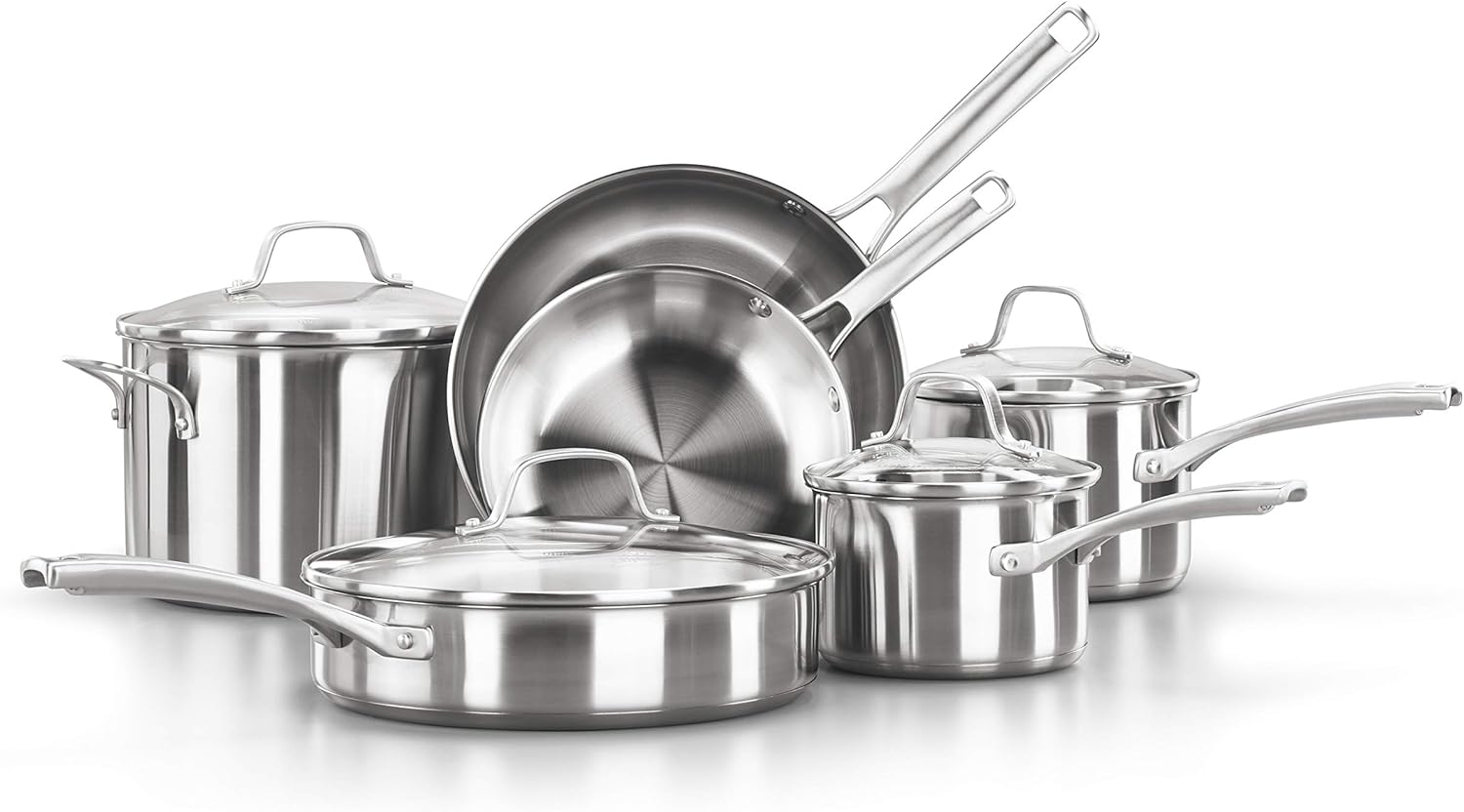
Choosing the right cookware transforms daily meal preparation, especially when working with versatile materials like stainless steel. Calphalon offers a range of configurations designed to deliver consistent heat distribution and reliable stovetop performance. Whether you need a compact single pan or a complete multi-piece set, understanding your cooking style helps narrow down the best choices for your kitchen.
Modern stainless steel options incorporate aluminum cores and specialized heating technologies to speed up cooking times. Transitioning seamlessly from stovetop burners to hot ovens expands your recipe capabilities significantly. Exploring specific capacities, handle designs, and construction layers ensures you select a dependable saucepan that matches your household demands without unnecessary guesswork.
As an Amazon Associate, StacyLaughs earns from qualifying purchases.
Buying guide
Evaluating Construction Layers and Core Materials
Stainless steel cookware relies on internal layers to conduct heat effectively. Models featuring aluminum cores deliver rapid, even heating across the cooking surface, preventing hot spots that can burn delicate sauces. Multi-ply constructions enhance structural durability and resist warping under high temperatures. Understanding how these materials interact helps you select a saucepan that maintains stable temperatures during long simmering tasks.
Premium stainless steel provides a non-toxic surface that does not alter food flavors. Buyers should examine whether a pan uses bonded bases or fully clad walls. Bonded aluminum bases focus heat conduction at the bottom, whereas fully clad designs extend heat distribution up the sides. Matching the construction type to your preferred cooking techniques ensures consistent performance during delicate simmering or sauce reduction work.
Understanding Capacity and Daily Portion Sizes
Selecting the correct saucepan capacity depends heavily on your household size and typical meal types. Smaller options, such as 1.5-quart or 2.5-quart vessels, excel at warming liquids, melting butter, or preparing concentrated sauces for a few portions. Larger 4.5-quart saucepans offer the extra volume needed for boiling grains, making large batches of soup, or cooking family-sized side dishes without liquid overflow risks.
Consider your typical cooking routines before committing to a specific volume. Buying a pan that is too small forces you to cook in multiple batches, while an oversized pot can make small sauce reductions difficult to manage. Evaluating standard recipes helps identify whether a compact specialty pan or a high-capacity multi-use saucepan fits your daily kitchen workflow most effectively.
Stovetop Compatibility and Heat Source Versatility
Modern stainless steel saucepans are engineered to function across a wide variety of kitchen heat sources. Whether your kitchen utilizes gas flames, electric coils, smooth glass tops, or magnetic induction burners, checking compatibility is essential for safe cooking. Induction cooktops specifically require magnetic outer layers, which standard stainless steel frequently provides through bonded steel bases or specialized outer laminates.
Ensuring your chosen cookware matches your current or future cooktop prevents operational frustrations and uneven heating issues. Versatile designs allow seamless movement between different stove types if you relocate or upgrade your kitchen appliances over time. Always verify outer metal specifications to guarantee that your cookware will maintain secure contact and efficient thermal transfer on flat glass or induction surfaces.
Handle Design and Stovetop Ergonomics
Handle construction directly impacts safety and comfort when maneuvering heavy saucepans filled with hot liquids. Long stainless steel handles designed to stay cool on stovetops help prevent accidental burns during extended cooking sessions. Riveted handle attachments offer superior structural strength compared to welded alternatives, ensuring the handle remains securely fastened over years of heavy lifting and daily kitchen use.
Ergonomic shapes provide a confident grip, reducing hand fatigue when pouring sauces or straining cooked ingredients. When evaluating handle placement and length, consider how the pan fits on your specific stovetop burners and inside your storage cabinets. A well-balanced handle enhances overall control, making it easier to tilt the pan smoothly without straining your wrist or compromising grip stability.
Oven Safety Limits and Dual-Surface Cooking
The ability to transition cookware directly from stovetop burners to a hot oven expands your recipe repertoire significantly. Many stainless steel saucepans feature temperature ratings up to 450 or 500 degrees Fahrenheit, allowing you to sear ingredients on the stove and finish baking them inside the oven. Reviewing these temperature thresholds ensures you do not exceed manufacturer limits, protecting both metal bodies and attached handles.
Dual-surface cooking simplifies preparation for casseroles, baked grains, and dishes requiring broiled toppings. When using cookware in high-heat environments, confirm that both the pan body and any included lids or handles are rated for those specific oven temperatures. Selecting oven-safe models eliminates the need to transfer food between multiple dishes, streamlining your cleanup routine after dinner.
Storage Footprint and Set Configurations
Cookware sets and individual saucepans require careful consideration regarding kitchen storage space and cabinet organization. Comprehensive collections with multiple pots, pans, and lids demand dedicated shelving, whereas individual saucepans easily tuck into compact cupboards. Assessing your available storage helps you decide between investing in a complete multi-piece set or purchasing standalone pans tailored to your exact culinary needs.
Lids and stacked handles also influence how efficiently cookware fits into your kitchen layout. Pans featuring flat covers or nestling capabilities maximize vertical space inside crowded cabinets. Balancing your desire for cooking variety against available kitchen storage ensures your new stainless steel cookware remains accessible and convenient to use every day.
Frequently asked questions
Can stainless steel saucepans be used on induction cooktops?
Yes, many stainless steel saucepans are fully compatible with induction cooktops because they incorporate magnetic outer layers or bonded steel bases. Induction cooking relies on magnetic fields to generate heat directly within the cookware, so checking the manufacturer specifications for induction support is essential. Models with impact-bonded bases or multi-ply stainless steel exteriors typically work seamlessly across gas, electric, glass, and induction cooktops, providing versatile heating performance for all kitchen setups without requiring specialized cookware replacements.
What is the benefit of an aluminum core in stainless steel cookware?
An aluminum core inside stainless steel cookware significantly improves heat conduction across the entire cooking surface. Stainless steel alone is a relatively poor thermal conductor, which can create hot spots and uneven cooking results. By sandwiching an aluminum layer between layers of stainless steel, the pan heats up much faster and distributes thermal energy evenly from the base up the sidewalls. This helps prevent food from burning and ensures consistent simmering for sauces and grains.
Are stay-cool handles effective on active stovetops?
Stay-cool handles constructed from stainless steel are designed to minimize heat transfer from the pan body during normal stovetop cooking. While these handles help keep the grip comfortable during standard boiling and simmering tasks, prolonged exposure to high heat or surrounding burner flames can still cause metal handles to warm up. Using caution and pot holders when cooking at high temperatures for extended periods remains a sensible practice to ensure safe handling in the kitchen.
How do I clean and maintain stainless steel saucepans?
Cleaning and maintaining stainless steel saucepans generally involves washing with warm soapy water and a non-abrasive sponge to preserve the polished or brushed finish. Many stainless steel models are also dishwasher-safe, offering convenient cleanup options for everyday use. For stubborn food residue or mineral discoloration, specialized stainless steel cleaners or baking soda pastes can help restore the surface shine. Always follow manufacturer guidelines regarding temperature limits and cleaning products to maintain longevity.
What is the advantage of choosing a multi-ply stainless steel pan?
Choosing a multi-ply stainless steel pan provides enhanced structural durability and superior heat distribution compared to single-layer alternatives. Multi-layer construction, such as three-ply or five-ply builds, resists warping and denting even when subjected to rapid temperature changes or high heat settings. Furthermore, fully clad multi-ply designs extend thermal conductivity up the sides of the pan rather than just the bottom, ensuring uniform cooking performance for sauces, reductions, and delicate simmered dishes alike.