Appliances · Buying Guide
Best Calphalon Stock Pot 8 Qt Options For Your Kitchen
Finding the right cookware for making large batches of soup, boiling pasta, or simmering homemade stocks involves looking closely at materials, capacities, and heat distribution. An eight-quart stockpot provides enough volume for family meals and gathering events without taking up excessive stove space during busy cooking sessions throughout the entire week of meals.
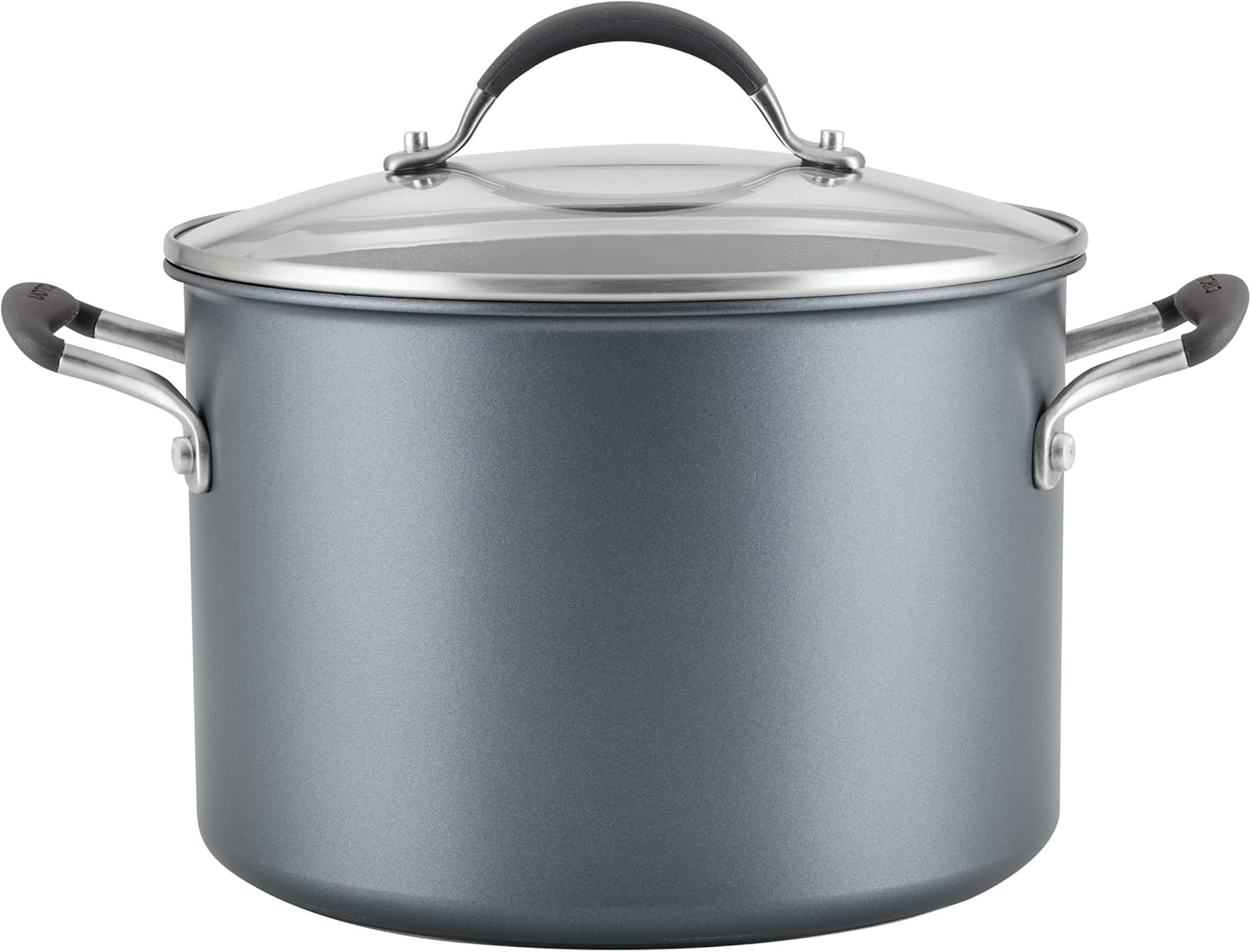
When shopping for reliable alternatives to a calphalon stock pot 8 qt, buyers can explore heavy-gauge aluminum, stainless steel, and hard-anodized models featuring various interior coatings, base types, and lid styles. Reviewing construction details and physical specifications helps match a specific pot to your daily cooking habits and modern compatible stovetop types.
As an Amazon Associate, StacyLaughs earns from qualifying purchases.
Buying guide
Material Composition And Durability
Choosing the right stockpot material heavily influences long-term durability and daily cooking performance across various home cooking tasks. Hard-anodized aluminum offers excellent structural strength, warp resistance, and distributes heat efficiently across the base and walls, making it a reliable choice for simmering large batches of soup or boiling stocks over extended periods of time.
Stainless steel alternatives provide a classic polished finish that resists chemical reactions when cooking with acidic ingredients like tomatoes or citrus fruits. Evaluating your typical recipes, available storage space, household kitchen routines, storage limits, and long-term expectations helps determine whether heavy-gauge aluminum or traditional steel best suits your household.
Stovetop Compatibility And Base Design
Modern kitchens feature diverse cooking surfaces, making stovetop compatibility a vital purchasing criterion for any eight-quart pot you plan to buy. Pots equipped with thick, forged, or encapsulated steel bases ensure proper heat conduction on gas, electric, and modern induction cooktops alike without creating frustrating localized hot spots during extended boiling or simmering sessions.
Checking whether a base is completely flat and engineered edge-to-edge helps guarantee stable contact with various heating elements across the board. Selecting a fully compatible base prevents uneven cooking results, supports steady heat transfer, and protects your glass or metal cooktop surface from friction damage or scratches during regular meal preparation sessions.
Interior Coatings And Food Release
Interior cooking surfaces dictate how easily food releases from the pot and how much physical effort cleaning requires afterward in a busy kitchen. Multi-layer nonstick coatings simplify the release of sticky ingredients, starches, and melted cheeses without requiring excessive amounts of added butter or cooking oils during everyday food preparation tasks throughout the week.
Untreated stainless steel interiors offer high structural durability against metal utensils and allow for effective deglazing when making complex pan sauces or savory gravies. Weighing the benefits of effortless nonstick food release against traditional metal surfaces helps align your final purchase decision with your preferred cooking style and routine maintenance habits.
Handle Design And Ergonomic Grip
Safely maneuvering a large eight-quart stockpot filled with hot liquid relies heavily on the engineering and secure attachment of its handles. Riveted stainless steel handles provide a robust, permanent connection to the main pot body, ensuring reliable structural stability during transport from the hot burner to your kitchen countertop or cleaning sink.
Additional design features like ergonomic contours, silicone wraps, or thermal breaks help keep handle surfaces comfortable to touch during prolonged stovetop cooking sessions. Assessing how these handles manage overall weight distribution prevents accidental tipping or splashing when lifting the heavy pot during routine household meal preparation tasks throughout the week.
Lids Life And Visibility Features
Lids play an essential role in trapping heat, retaining moisture, and controlling evaporation rates while simmering large pots of soup or homemade stock. Tempered glass lids allow home cooks to monitor food progress visually without lifting the cover and releasing valuable heat or moisture into the surrounding kitchen environment during extended active cooking sessions.
Solid metal covers offer greater overall structural durability and higher oven-safe temperature thresholds for recipes finishing under high heat in the oven. Reviewing lid materials helps you balance visual monitoring convenience against maximum oven temperature tolerance during advanced baking or complex roasting tasks in your busy family home kitchen.
Maintenance And Cleaning Requirements
Keeping cookware in top condition requires understanding manufacturer guidelines for routine cleaning and maintenance tasks after every single cooking session. Dishwasher-safe pots and glass lids offer convenient cleanup after preparing messy meals, saving valuable time on manual scrubbing at the kitchen sink during busy weekday evenings and weekend gatherings.
Certain nonstick surfaces or specialized scratch-defense coatings may benefit from gentle hand washing with mild dish soap and soft sponges to preserve their performance longevity over extended periods of time. Balancing dishwasher convenience against specific manufacturer care requirements ensures your cookware remains functional, clean, and attractive for years of regular home cooking use and meal preparation.
Frequently asked questions
What is the main advantage of an eight-quart stockpot?
An eight-quart stockpot provides substantial capacity for boiling large batches of pasta, simmering family-sized soups, or preparing homemade stocks without crowding ingredients. This versatile size strikes a practical balance, offering enough volume for entertaining or weekly meal prepping while remaining manageable on standard stovetops and fitting into most kitchen cabinets. However, when filled with liquid, an eight-quart pot becomes heavy, requiring careful handling and two hands during transport from the burner to the cleaning sink.
Can hard-anodized aluminum stockpots be used on induction cooktops?
Induction cooktops require magnetic materials in the cookware base to generate heat effectively. While standard aluminum is non-magnetic, many modern hard-anodized stockpots feature bonded or embedded steel bases specifically engineered to be fully induction compatible. Before purchasing, it is important to check the manufacturer specifications to confirm whether a particular model includes an induction-ready base. If your cooktop uses induction, selecting a pot with an encapsulated or edge-to-edge steel base ensures reliable performance and rapid, even heating across the entire cooking surface.
Are nonstick stockpots safe to use in the oven?
Many nonstick stockpots are oven safe, but the maximum temperature limit varies significantly depending on the specific model, materials, and whether an included lid has glass components. While some pots withstand heat up to five hundred degrees Fahrenheit, their matching glass lids often feature lower temperature thresholds around three hundred fifty degrees Fahrenheit due to the glass construction. Always check the manufacturer guidelines before transferring any cookware from the stovetop into a hot oven for finishing baked dishes.
How should I clean a stockpot with a nonstick interior?
Although many modern nonstick stockpots are certified as dishwasher safe, washing them by hand with warm water, mild dish soap, and a soft sponge helps preserve the nonstick coating over time. Avoid using abrasive scrubbing pads, steel wool, or harsh metal utensils that can scratch or flake the interior surface. Following manufacturer care instructions ensures that your cookware maintains its easy-release performance and attractive finish through years of regular meal preparation and daily cooking tasks.
Why do some stockpots feature high sides and narrow openings?
High sides and narrow openings are intentionally designed into specific stockpots to minimize liquid evaporation during the long, slow process of simmering stocks, broths, and soups. By reducing the surface area exposed to the air, these proportions help retain moisture so your culinary liquids do not reduce too quickly. While this design is ideal for simmering, it may slightly restrict physical access when you need to stir very dense or chunky ingredients inside the cooking pot.