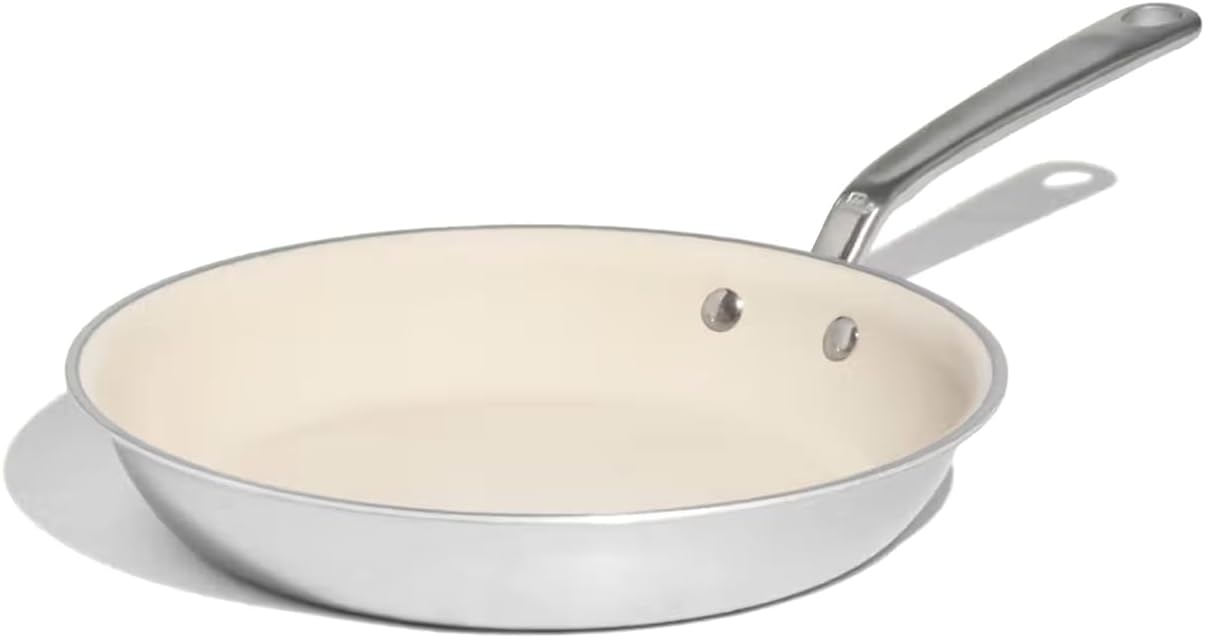
Appliances · Buying Guide
Best Caraway Ceramic Frying Pan Alternatives for Your Kitchen
Finding the right cookware involves balancing surface materials, heat distribution, and everyday maintenance preferences. Ceramic nonstick pans provide smooth cooking surfaces that release food easily with minimal oil usage. Shoppers frequently explore various skillet designs, ranging from multi-piece sets to deep sauté pans equipped with included glass lids and ergonomic helper handles for versatile meal preparation.
Material choices like hard-anodized aluminum and multi-ply stainless steel cores affect how quickly cookware heats up and how it behaves on different stovetops, including induction burners. Reviewing specific pan dimensions, maximum oven safety limits, and ergonomic handle designs helps match a skillet directly to your routine cooking tasks without relying on generic category claims or unverified assumptions.
As an Amazon Associate, StacyLaughs earns from qualifying purchases.
Buying guide
Surface Coating and Durability
Ceramic nonstick coatings provide a smooth cooking surface that releases food effortlessly while requiring less oil during daily meal preparation. Many modern frying pans enhance these surfaces with diamond infusions or reinforced layers designed to improve scratch resistance against regular kitchen tools. Evaluating how a coating withstands daily stirring and flipping helps ensure long-term performance across various recipes.
Understanding the specific reinforcement materials used in a ceramic skillet clarifies how well it handles heat and utensil contact over time. Selecting a durable surface prevents premature wear, ensuring that eggs, pancakes, and delicate fish slide free without sticking. Shoppers should review whether a coating supports metal utensils or requires specialized non-scratch tools to maintain its nonstick qualities through frequent use.
Core Construction Materials
The underlying body material of a ceramic frying pan significantly influences its weight, heating speed, and overall structural stability on burners. Hard-anodized aluminum provides robust durability and rapid heat distribution, while multi-ply stainless steel cores offer professional-grade rigidity. Choosing between these core materials dictates how quickly the pan responds to temperature adjustments during searing and simmering tasks.
Heavy-duty cast aluminum bodies prevent warping during high-heat cooking while maintaining balanced weight distribution across the base. Multi-layer stainless clad options combine the responsiveness of aluminum with the sturdy outer shell of stainless steel. Reviewing the core construction ensures the selected cookware matches your preferred cooking style and provides reliable heat distribution without developing frustrating hot spots.
Stovetop and Induction Compatibility
Modern kitchens feature diverse stovetop configurations, making universal burner compatibility an essential purchasing criterion for any new skillet. Many ceramic frying pans incorporate specialized magnetic bases designed to function seamlessly on gas, electric coil, and smooth surface induction cooktops. Verifying that a pan supports your specific cooking range prevents heating issues and ensures energy-efficient meal preparation every time you cook.
Induction cooktops require ferromagnetic base materials to generate heat efficiently through magnetic fields, which standard aluminum pans lack unless specifically adapted. Checking the manufacturer specifications confirms whether a skillet operates correctly on induction surfaces alongside traditional gas and electric burners. Selecting a versatile pan ensures it remains useful even if you upgrade your kitchen appliances in the future.
Oven Safety Temperature Limits
Transitioning cookware directly from the stovetop into the oven allows home cooks to finish frittatas, roast meats, or melt cheese without changing pans. Ceramic frying pans feature varying maximum temperature thresholds, ranging from 430 degrees Fahrenheit up to 600 degrees Fahrenheit depending on the model. Matching these thermal limits to your preferred baking recipes ensures safe operation without damaging the handle or coating.
Lids included with deep skillets often have lower temperature ratings than the pans themselves due to glass or specialized handle components. Reviewing these distinct thresholds prevents accidental degradation when moving covered dishes into hot ovens. Prioritizing pans with high temperature limits provides greater flexibility for complex cooking techniques that require sustained high heat.
Handle Design and Ergonomics
Ergonomic handle design directly impacts how comfortably you can maneuver a filled frying pan between kitchen counters, burners, and ovens. Polished stainless steel handles, securely riveted for permanent structural strength, offer reliable grips during heavy-duty cooking tasks. Some handles feature hollow interior constructions or stay-cool properties designed to minimize heat transfer during prolonged stovetop sessions.
Alternative handle materials, such as woodgrain-styled bakelite, remain cool to the touch on stovetops while offering comfortable tactile feedback. Additionally, helper handles attached to larger multi-quart skillets assist with lifting heavy loads safely. Evaluating handle placement, weight distribution, and thermal resistance ensures you can comfortably control the cookware during active food tossing and serving.
Maintenance and Cleaning Needs
Proper cleaning routines help preserve the slippery nonstick performance and attractive exterior finish of ceramic frying pans over extended periods. While many models state dishwasher compatibility for convenient cleanup, manufacturers frequently recommend manual hand washing with mild soap and soft sponges to maximize coating longevity. Understanding these care requirements helps establish a cleaning habit that protects your cookware investment.
Avoiding abrasive cleaning pads and harsh chemical detergents prevents micro-scratches that can degrade food release over time. Allowing hot pans to cool gradually before washing also protects the core structure from thermal shock. Balancing your preference for automated dishwasher convenience against manual care instructions ensures your skillet maintains its functional qualities through daily meal preparation.
Frequently asked questions
Can ceramic frying pans be used on induction cooktops?
Many ceramic frying pans feature specially engineered magnetic bases that make them fully compatible with modern induction cooktops, alongside traditional gas and electric ranges. To ensure proper heating performance, check the manufacturer specifications for induction readiness before purchasing any skillet. Induction compatibility relies on embedded ferromagnetic materials within the pan base, which allow the cooktop to generate heat efficiently without hot spots. Selecting an induction-ready skillet ensures complete versatility if you update your kitchen appliances or utilize multiple heat sources during meal preparation.
Are ceramic frying pans safe to use in the oven?
Most ceramic frying pans support oven use, but maximum temperature limits vary significantly depending on the specific model and materials. Certain professional-grade skillets withstand oven temperatures up to 600 degrees Fahrenheit, while others are rated for 400 to 500 degrees. If the pan includes a lid, check its separate temperature threshold, as glass lids and specialized handles often feature lower heat limits than the metal pan body. Always verify these maximum ratings before transferring cookware from burners to a hot oven.
Should ceramic frying pans be washed in the dishwasher?
While several ceramic frying pans are explicitly labeled as dishwasher safe for convenient cleanup, many manufacturers recommend hand washing to extend the lifespan of the nonstick coating. Dishwasher detergents and high water temperatures can gradually dull the finish or degrade nonstick performance over extended periods. Washing the pan manually with warm water, mild soap, and a soft sponge helps maintain the smooth surface and keeps food releasing effortlessly. Reviewing specific brand care guidelines ensures you choose the best maintenance routine for your cookware.
Can I use metal utensils on ceramic nonstick pans?
Metal utensil compatibility depends entirely on the specific manufacturing technology used for the ceramic coating. Advanced models reinforced with diamond infusions or hardened surfaces are specifically engineered to withstand metal utensils without scratching or compromising food release. However, many standard ceramic pans still require wooden, silicone, or plastic tools to prevent surface damage over time. Always check the product specifications to confirm whether metal tools are permitted before stirring or flipping food with metal spoons and spatulas.
What capacity or size frying pan should I choose?
Choosing the right frying pan size depends on your typical household portion requirements and the types of meals you prepare. Smaller ten-inch or eight-inch skillets suit single-portion eggs, pancakes, and quick sautés, whereas twelve-inch pans and five-quart deep sauté pans accommodate large family meals and one-pot recipes. Consider your standard batch sizes, stovetop burner space, and available cabinet storage when selecting a single pan or a multi-piece set. Matching the capacity to your cooking habits ensures efficient preparation without overcrowding.