Appliances · Buying Guide
Best Caraway Non Toxic Cookware Alternatives and Single Pieces
Choosing the right pots and pans involves carefully evaluating cooking materials, heat distribution, and surface coating safety for your everyday kitchen tasks. Many home cooks look specifically for reliable options free of traditional chemical coatings like PTFE and PFOA to ensure total peace of mind during daily meal preparation. Modern kitchen setups benefit greatly from matching cookware designs to specific cooking habits, stovetop types, and storage constraints.
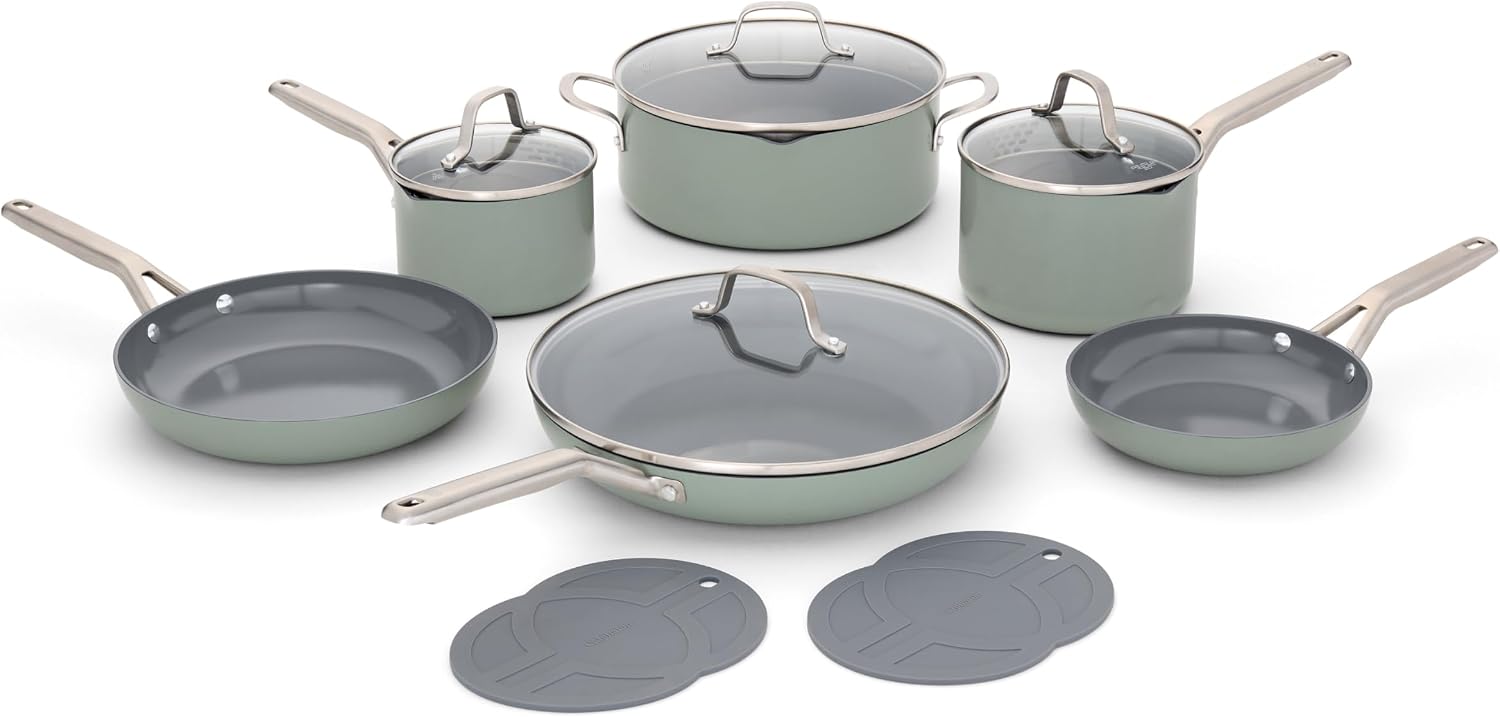
This comprehensive overview examines several popular kitchen choices available on the market today, ranging from standalone sauce pans to multi-piece sets. Each option features ceramic non-stick surfaces and durable aluminum or stainless steel cores designed for compatibility with gas, electric, glass ceramic, and induction cooktops. Reviewing these selections helps clarify which configurations suit your specific culinary routines best.
As an Amazon Associate, StacyLaughs earns from qualifying purchases.
Buying guide
Evaluating Surface Coatings and Material Safety
When shopping for modern kitchen pots and pans, examining the inner surface coating is a fundamental first step. Many households prioritize options explicitly manufactured without harmful chemical additives like PFAS, PFOA, or PTFE. Ceramic coatings offer a slick cooking surface derived from inorganic materials, providing an alternative to traditional chemical treatments. Checking manufacturer specifications ensures you select products aligned with your household safety preferences.
Beyond chemical compositions, understanding the underlying metal core influences thermal performance. Aluminum cores heat up rapidly and distribute warmth evenly across the base, whereas stainless steel additions provide structural rigidity and corrosion resistance. Balancing these material choices helps you achieve consistent culinary results while maintaining peace of mind during everyday breakfast, lunch, and dinner preparation routines across various stovetop types.
Understanding Cooktop Compatibility and Range Support
Ensuring your new cookware matches your kitchen range is essential for effective daily meal preparation. Traditional gas and electric coil cooktops accommodate virtually all pot and pan designs, but induction cooktops require specific magnetic metallic bases to generate heat properly. Reviewing compatibility details before purchasing prevents frustrating installation issues and guarantees that your cookware functions correctly on glass ceramic, gas, and induction surfaces alike.
Furthermore, many ceramic nonstick pots feature oven-safe construction capable of withstanding high temperatures up to 450 or 550 degrees Fahrenheit. This dual capability allows you to start searing a dish on the stovetop and finish baking or roasting it inside the oven using the exact same vessel. Verifying these temperature limits expands your recipe repertoire and simplifies cleanup by reducing extra dish usage.
Assessing Set Size versus Individual Pan Selection
Deciding between a comprehensive multi-piece cookware set and standalone single pans depends entirely on your cooking frequency and household size. Large sets containing twelve or thirteen pieces provide specialized vessels like stock pots, saucepans, and frying pans for diverse culinary tasks. However, if you primarily cook simple meals, purchasing individual items like a dedicated sauce pan may eliminate unnecessary clutter.
Comprehensive sets often include helpful accessories such as steamer baskets, integrated spoons, or matching lids. Evaluating your actual meal preparation habits helps determine whether a large collection is truly necessary or if a smaller configuration better satisfies your daily requirements. Matching your purchase to realistic kitchen routines prevents overflowing cabinets and ensures every included piece gets regular use.
Managing Storage Space and Kitchen Footprint
Kitchen cabinet space is a valuable commodity in most modern homes, making storage design an important purchasing factor. Some multi-piece collections incorporate innovative nesting systems with specially shaped lids and stacking guides to minimize the required storage footprint. These features prevent pans from scratching each other while saving significant cabinet room compared to traditional stacking methods.
Conversely, larger sets with auxiliary accessories and helper handles can occupy substantial shelf space even when nested. Measuring your available cabinet dimensions prior to buying helps avoid frustrating storage bottlenecks. If your kitchen features compact shelving, prioritizing minimalist sets or modular stackable designs ensures your cookware fits comfortably without creating clutter or difficult access hurdles.
Cleaning and Maintenance Requirements for Ceramic Surfaces
Proper maintenance significantly extends the lifespan of ceramic nonstick cookware and preserves its effortless food release performance. While many modern sets claim dishwasher safety, manufacturers frequently recommend gentle hand washing with mild soap and soft sponges. Avoiding abrasive metal scouring pads prevents microscopic scratches that can degrade the nonstick coating over extended periods of regular kitchen use.
Additionally, cooking on low to medium heat settings helps protect delicate ceramic finishes from thermal shock and premature wear. Using silicone, wooden, or approved metal utensils depending on manufacturer guidelines further safeguards the interior surface. Following these straightforward care practices ensures your pots and pans remain functional and visually appealing throughout years of daily meal preparation.
Evaluating Handle Ergonomics and Lid Features
Handle design and lid construction heavily influence daily comfort and safety while maneuvering pots and pans on active cooktops. Long stainless steel handles featuring silicone grips provide secure, comfortable holds and stay cool during stovetop cooking. Helper handles on larger pots and sauté pans offer essential stability when lifting heavy, food-filled vessels from burners to countertops or ovens.
Transparent glass lids represent another valuable feature, allowing you to monitor cooking progress easily without lifting the cover and releasing vital heat or moisture. Checking whether lids stack flat or feature integrated straining options enhances overall usability. Prioritizing ergonomic handles and functional lids transforms everyday cooking tasks into more comfortable and efficient kitchen experiences.
Frequently asked questions
Are ceramic nonstick cookware sets compatible with induction cooktops?
Many modern ceramic nonstick cookware collections are fully compatible with induction cooktops, though compatibility depends entirely on the specific product's base construction. Induction ranges require magnetic metallic materials to generate heat through electromagnetic fields. Manufacturers typically list compatible stovetop types in their product specifications, explicitly noting support for gas, electric coil, glass ceramic, and induction ranges. Before purchasing any cookware set, checking these compatibility guidelines ensures the pots and pans will function properly on your specific kitchen stove without heating issues or detection failures.
Can ceramic pots and pans safely go into the oven?
A significant number of ceramic pots and pans feature oven-safe construction, though maximum temperature limits vary depending on the manufacturer and materials used. Several popular collections tolerate temperatures up to 450 or even 550 degrees Fahrenheit, allowing home cooks to transition seamlessly from stovetop searing to oven roasting or baking. Always verify the specific temperature rating for your chosen cookware before placing it in a hot oven to prevent warping handles, damaging glass lids, or degrading the nonstick coating surface over time.
Is hand washing necessary for ceramic nonstick cookware?
While various ceramic cookware options claim dishwasher safety, manufacturers frequently recommend hand washing with mild dish soap and a soft sponge to maximize the lifespan of the nonstick coating. Dishwasher detergents and intense automatic wash cycles can gradually wear down delicate ceramic surfaces and dull exterior finishes. Hand washing takes only a few extra moments and helps maintain the slick, easy-release properties that make ceramic cookware popular for everyday frying, simmering, and sauce preparation tasks in busy home kitchens.
What materials are excluded from non-toxic ceramic coatings?
Non-toxic ceramic coatings are intentionally manufactured without traditional chemical substances such as polytetrafluoroethylene, perfluorooctanoic acid, and various per- and polyfluoroalkyl substances commonly known as PFAS. Additionally, reputable makers ensure their ceramic interiors are free from heavy metals like lead and cadmium. This formulation gives health-conscious home cooks peace of mind, knowing that the surfaces touching their food will not leach questionable chemical compounds into family meals during everyday cooking, frying, or boiling activities on the stovetop.
How can I maximize storage space with large cookware sets?
Maximizing cabinet storage space with large cookware sets involves looking for collections specifically engineered with smart nesting systems and flat-stacking lids. These specialized designs feature internal guides that prevent pots from scratching one another while stacking securely to reduce the overall storage footprint. Measuring your cabinet dimensions before purchasing and utilizing cabinet organizers or hanging racks can also help accommodate multi-piece sets. Careful organization prevents kitchen clutter and ensures easy access to your favorite frying pans and stock pots whenever needed.