Appliances · Buying Guide
Best caraway nonstick ceramic saute pan alternatives for modern home cooking
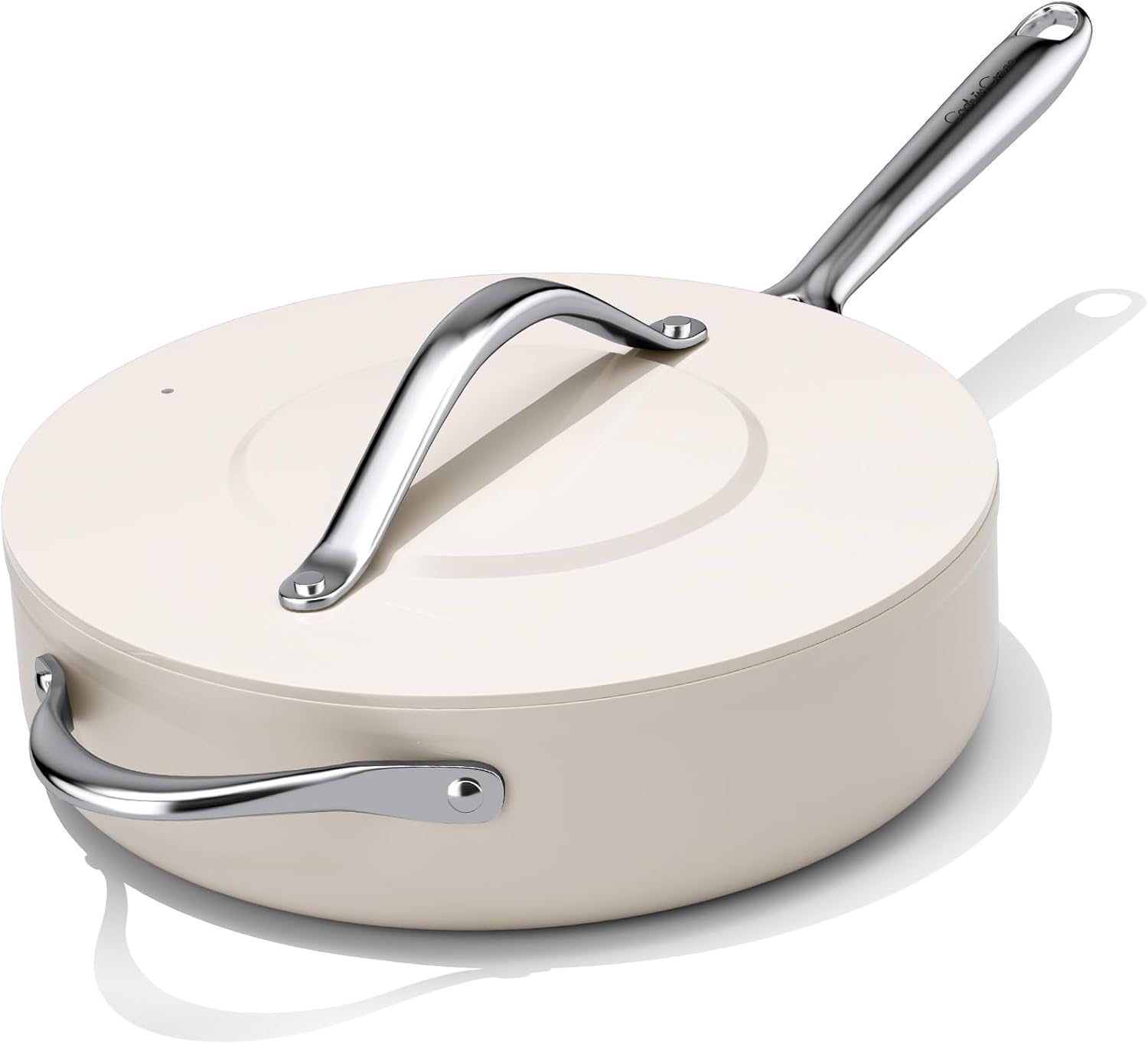
Finding the right cookware for daily family meals often leads home cooks to explore popular options like a reliable caraway nonstick ceramic saute pan. These deep pans combine smooth food release surfaces with high, protective sides, making them exceptionally ideal for everything from quick morning eggs to elaborate one-pan evening dinners and large batches of simmering sauces.
Modern ceramic cookware alternatives offer distinct advantages for everyday home cooking, including reliable heat distribution and straightforward cleanup routines. Exploring these different models helps you find the right physical fit and performance style for your specific stovetop setup, whether you cook on gas, electric coils, or modern induction glass surfaces daily.
As an Amazon Associate, StacyLaughs earns from qualifying purchases.
Buying guide
Surface Coating and Nonstick Performance
Evaluating the interior coating is essential when shopping for ceramic cookware alternatives similar to a popular caraway nonstick ceramic saute pan. A smooth surface ensures that delicate items like eggs and pancakes slide off effortlessly with minimal oil usage. Modern manufacturing techniques focus on toxin-free materials that prevent harmful chemical residues from releasing into your daily meals.
Pay close attention to scratch protection ratings and overall surface durability claims. While ceramic coatings offer fantastic initial release properties, protecting them from metal utensils significantly extends their functional lifespan. Choosing reinforced ceramic interiors helps defend against everyday wear and tear during routine family cooking and cleaning tasks.
Material Composition and Heat Distribution
The underlying body material greatly influences how evenly a pan heats across various kitchen burners. Heavy-duty cast aluminum provides rapid thermal response, helping reduce pesky hot spots during gentle simmering or frying steps. Alternatively, multi-clad stainless steel bodies offer exceptional structural durability and robust heat transfer for serious high-heat searing tasks.
Consider how physical weight interacts with your daily cooking routine and wrist strength. While thicker metals improve heat retention and structural stability against warping, they also increase the overall lifting burden. Balancing material thickness with your personal handling comfort ensures you select a pan that feels entirely manageable during extended cooking sessions.
Capacity and Wall Height Considerations
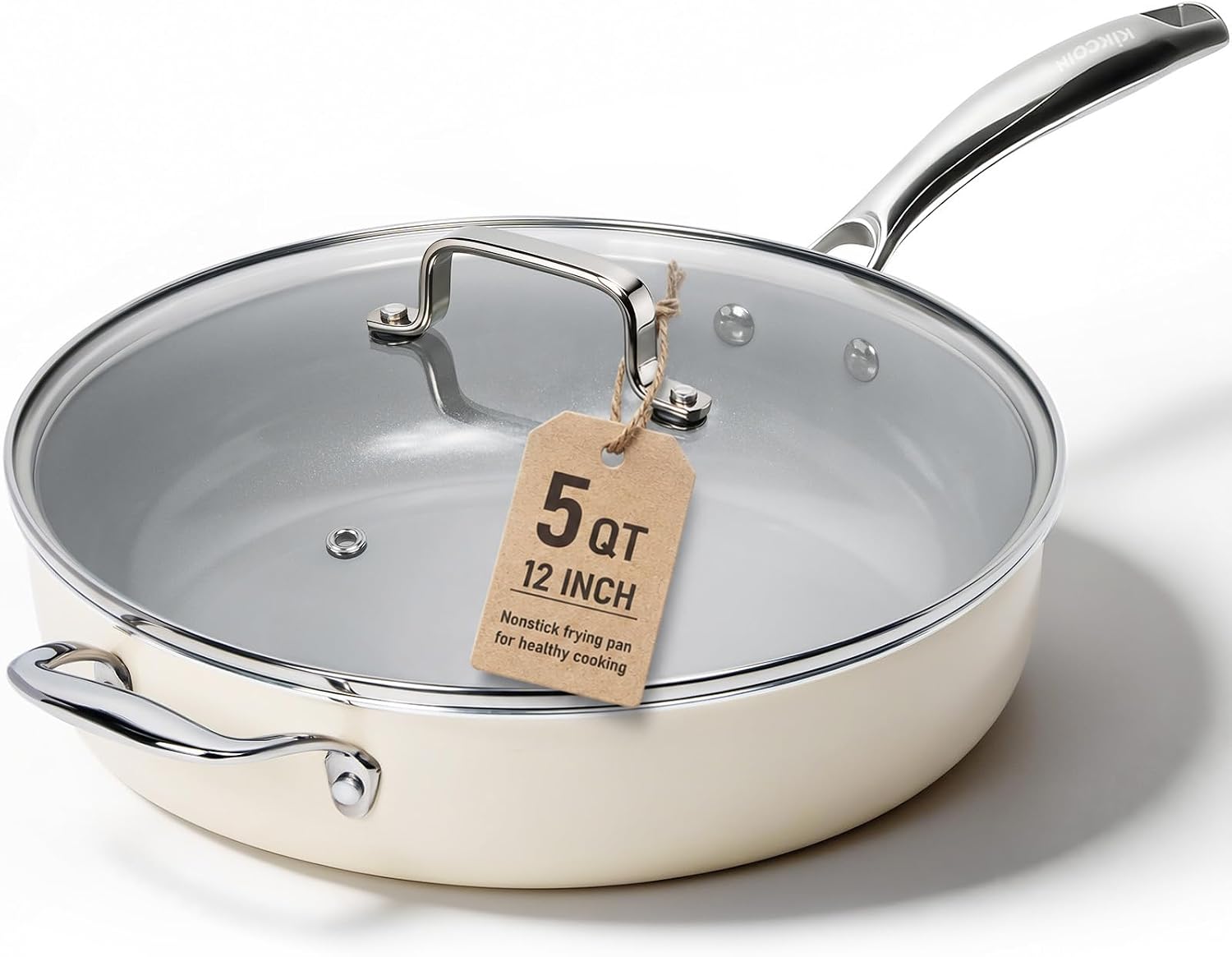
Selecting the right capacity depends heavily on your household size and typical meal types. A four-to-six-quart capacity generally serves families of four efficiently, providing ample room for generous batch cooking. High vertical sides transform a standard skillet into a versatile deep pan capable of containing messy splatters during active stirring.
Tall walls also allow you to simmer large quantities of liquids, braise meats, or toss pasta ingredients without spilling over the edges. However, remember that taller walls increase the overall storage footprint in crowded kitchen cabinets, requiring careful measurement of your available shelf space before finally purchasing new quality cookware.
Lid Design and Moisture Control
A well-designed lid greatly improves your ability to monitor cooking progress while locking in essential heat and steam. Shatterproof tempered glass construction lets you keep a close eye on simmering dishes without constantly lifting the cover and releasing trapped warmth. This visibility helps prevent accidental boiling over during delicate reduction tasks.
Some specialized lids feature integrated steam vents or internal condensation channels that return moisture directly back to your food. This design element proves particularly beneficial during long braising sessions, helping keep meats tender and flavorful without requiring frequent manual basting. Reviewing lid features ensures your cookware matches your preferred cooking style.
Stovetop Compatibility and Base Engineering
Ensuring your cookware works seamlessly with your specific kitchen range is a critical purchasing step for every home cook. Modern ceramic pans often feature bonded stainless steel base plates designed for smooth induction cooktops, traditional gas burners, and electric coils alike. This universal compatibility prevents heating issues across diverse residential kitchen setups.
A thick, expertly engineered base prevents metal warping under high heat and promotes uniform thermal distribution across the entire cooking surface. Checking these compatibility details guarantees that your new pan performs reliably regardless of whether you eventually upgrade your kitchen range, ensuring long-term utility across different properties.
Maintenance and Cleaning Requirements
Understanding manufacturer cleaning guidelines helps preserve the lifespan of your nonstick ceramic coating over years of daily use. While many modern models boast convenient dishwasher-safe ratings, manual hand washing with warm soapy water is frequently recommended by makers to protect delicate nonstick properties against harsh automatic detergent wear.
Additionally, consider handle materials when evaluating everyday cleanup and storage routines. Bakelite components or riveted interior designs require specific care compared to fully seamless stainless steel constructions. Choosing a maintenance routine that matches your household habits ensures your cookware remains in pristine operating condition for all future family meals.
Frequently asked questions
Can ceramic sauté pans be used on induction stovetops?
Many modern ceramic sauté pans feature specially engineered magnetic stainless steel base plates designed to work efficiently on induction cooktops, alongside traditional gas, ceramic, and electric coil burners. When shopping, carefully checking the manufacturer compatibility specifications ensures the pan will heat properly on your specific stove type without delays. Induction readiness relies entirely on the outer base construction rather than the ceramic interior coating, allowing you to enjoy smooth food release benefits while utilizing modern magnetic heating technology in your busy home kitchen.
Do ceramic nonstick pans require cooking oil?
Ceramic nonstick surfaces are engineered to provide smooth food release with significantly less oil compared to traditional uncoated cookware. While you can cook with very minimal butter or oil for a lower-fat diet, using a tiny amount of high-smoke-point oil often improves browning and protects the coating over time. Avoid using aerosol cooking sprays, as propellant additives can leave a microscopic residue that builds up and diminishes the nonstick performance of ceramic surfaces across regular cooking sessions.
Are ceramic sauté pans safe to put in the dishwasher?
Dishwasher safety varies depending on the specific model and manufacturer instructions. While some ceramic pans are rated as fully dishwasher safe, many brands strongly recommend hand washing with warm soapy water and a soft towel to extend the lifespan of the nonstick surface. Automated dishwashers use harsh detergents and high water pressures that can gradually degrade ceramic coatings over time. Checking the product care guidelines before cleaning helps prevent premature wear and maintains optimal food release performance.
What is the maximum oven temperature these ceramic pans can handle?
Maximum oven temperature limits vary widely based on the materials used in the pan body, handles, and lids. Some models safely withstand oven heat up to five hundred or six hundred degrees Fahrenheit, while others feature bakelite handles or glass lids restricted to lower thresholds like three hundred fifty degrees. Always verify the specific temperature ratings for both the cookware body and its accompanying lid before transferring dishes from the stovetop into a hot oven for final baking.
How do I prevent food from sticking to a ceramic pan?
Preventing food from sticking involves maintaining proper temperature control and avoiding high heat settings that can degrade nonstick properties. Preheating the pan gently on low to medium heat before adding a small amount of oil creates an effective release barrier. Additionally, washing the pan thoroughly after every use removes invisible food residues that cause future sticking. Using silicone or wooden utensils instead of metal tools further protects the smooth ceramic surface from scratches that compromise food release.