Appliances · Buying Guide
Best Carbon Steel Omelette Pan Options for Precision Cooking
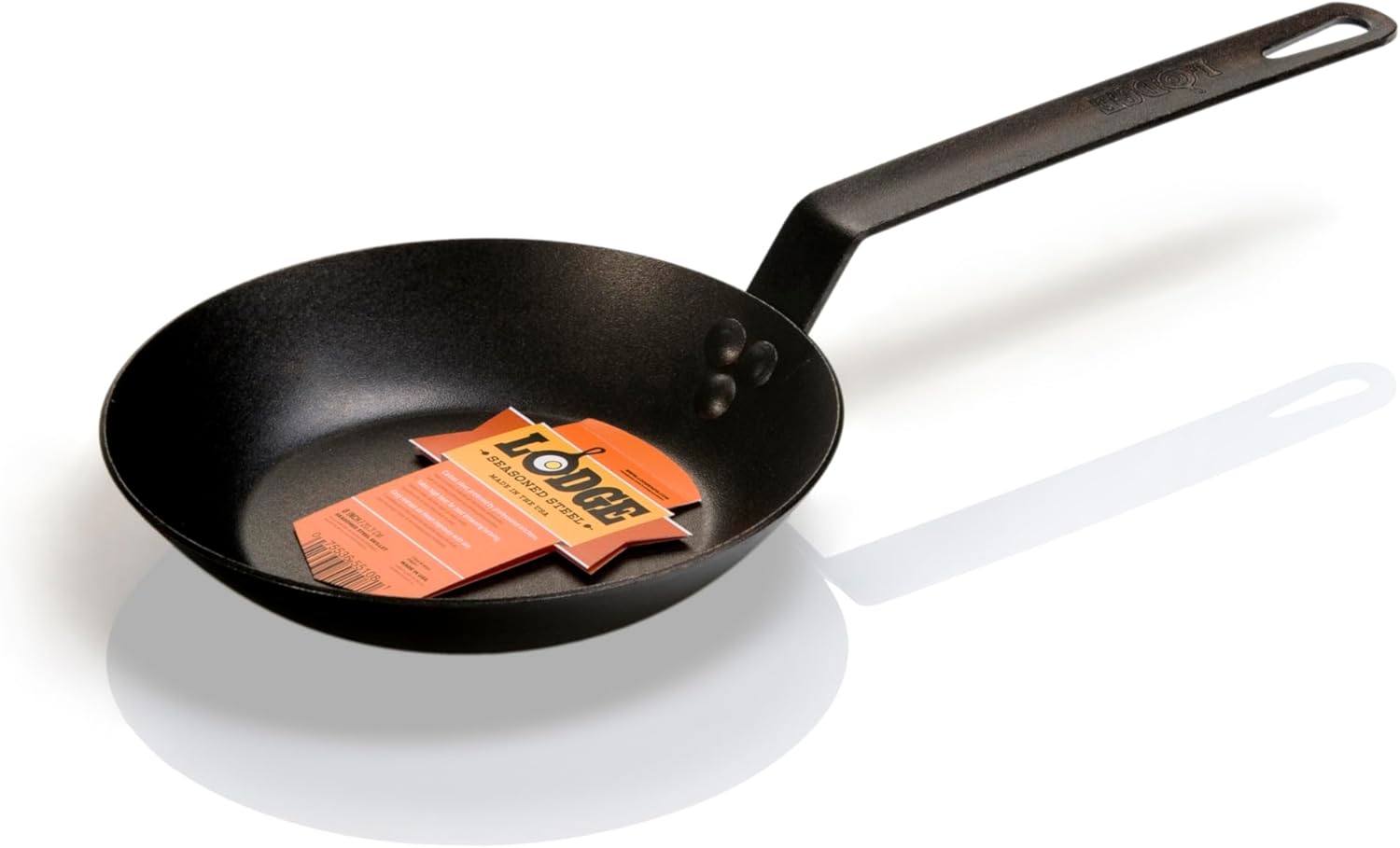
Finding the ideal carbon steel omelette pan transforms how you handle delicate morning breakfasts, quick sautés, and high-heat searing tasks across your kitchen. Unlike traditional heavy cast iron, these responsive cooking vessels offer rapid temperature adjustments while building a reliable, natural nonstick patina over time through regular cooking routines.
Whether you prefer classic French sloped edges designed to effortlessly slide out eggs or a lightweight skillet optimized for everyday stovetop versatility, understanding material differences ensures you select a dependable piece that fits your exact culinary habits, stovetop type, and overall kitchen setup without unnecessary guesswork. Proper seasoning and routine hand washing maintain their performance across various heating sources.
As an Amazon Associate, StacyLaughs earns from qualifying purchases.
Buying guide
Material Composition and Weight
Carbon steel offers an exceptional balance between the thermal responsiveness of traditional copper and the durability of cast iron. Because it contains less carbon than cast iron, manufacturers can roll the steel thinner, resulting in a significantly lighter cooking vessel that heats up rapidly on your stovetop. This lightweight nature reduces arm fatigue when flipping omelettes or tossing vegetables during fast-paced cooking sessions.
When shopping for your kitchen, consider how much weight you are comfortable lifting when the pan is full of food. Lighter pans allow for agile movement, but they still require careful handling around hot burners. Evaluating the steel thickness helps you determine how well the pan will resist warping over high heat while maintaining even temperature distribution across the entire cooking surface.
Seasoning and Natural Nonstick Patina
Unlike synthetic nonstick coatings that eventually peel or degrade, carbon steel relies on a polymerized oil layer known as seasoning. Applying high smoke point oils and heating the metal creates a slick, dark patina that improves naturally with every meal you cook. This chemical-free surface allows eggs and delicate fish to slide freely without requiring artificial chemicals or polytetrafluoroethylene treatments.
Building and maintaining this patina requires a willingness to perform basic maintenance routines after each cooking session. You must wash the pan by hand using warm water and dry it thoroughly before storing it away. Embracing this simple upkeep ensures your cookware develops superior nonstick qualities that rival commercial kitchen standards over years of faithful culinary service.
Handle Design and Oven Compatibility
The way a handle is attached and constructed dictates both comfort and cooking versatility. Stainless steel, alloy steel, and carbon steel handles each offer different thermal properties, with some designs staying cooler longer on the stovetop. Many carbon steel pans feature riveted or welded handles that allow the entire skillet to transition seamlessly into hot ovens for roasting or broiling tasks.
Always check the maximum temperature rating before transferring your skillet into an oven or onto an outdoor grill. Some models include removable silicone sleeves for comfortable stovetop grip, which must be detached during high-heat baking. Matching the handle style and oven limit to your favorite recipes prevents accidental damage and ensures safe handling during complex culinary preparations.
Stovetop Versatility and Induction Use
Modern kitchens feature diverse heating elements, ranging from traditional gas flames and electric coils to smooth glass cooktops and magnetic induction burners. Carbon steel pans naturally possess magnetic properties, making them exceptionally well-suited for induction cooktops that require direct magnetic connection to generate heat efficiently. Their flat metallic bases ensure solid contact across various glass and ceramic cooktop surfaces.
Rapid heat conduction means you should monitor your burner settings carefully to avoid warping the metal through thermal shock. Gradual preheating allows the steel to expand evenly, distributing warmth across the cooking zone without creating hot spots. Selecting a pan compatible with your specific stovetop ensures consistent cooking results and protects your kitchen investment from premature wear.
Edge Shape and Omelette Performance
Traditional omelette pans feature unique sloped or rounded edges designed specifically to facilitate rolling and sliding food. This distinctive geometry allows a spatula to glide effortlessly underneath eggs, folding them neatly before sliding the finished meal directly onto a waiting plate. Straight-sided skillets, by contrast, make rolling tasks more challenging because the vertical walls trap the edges of the omelette.
If your primary culinary goal involves mastering French-style eggs or delicate crêpes, prioritize pans with flared sidewalls and curved contours. Reviewing the cooking surface diameter in relation to the overall rim size helps you understand how much usable space you have for manipulating ingredients. Choosing the correct shape directly enhances your success with delicate breakfast recipes.
Cleaning and Long-Term Maintenance
Proper cleaning routines are essential for preserving the seasoning layer and preventing rust on raw carbon steel. Hand washing with warm water is mandatory, and harsh dishwashing detergents should be avoided because they strip away the accumulated nonstick patina. Using specialized tools like iron cleaning brushes can help clear stubborn food debris without damaging the delicate underlying metallic surface.
After washing, drying the pan completely on a warm burner ensures no residual moisture causes oxidation during storage. Applying a very thin film of cooking oil before putting the pan away protects the seasoned finish until your next meal preparation. Following these straightforward manufacturer care guidelines guarantees your carbon steel cookware remains reliable, beautiful, and exceptionally functional for decades.
Frequently asked questions
How do I clean a carbon steel omelette pan without ruining the seasoning?
Cleaning a carbon steel omelette pan requires hand washing with warm water and a mild sponge to protect the delicate seasoning layer. You should avoid harsh dishwashing soaps and never place the pan inside an automated dishwasher, as abrasive detergents will strip away the nonstick patina. If stubborn food particles remain stuck to the surface, use a gentle brush or boil a small amount of water inside the pan to loosen debris. Always dry the skillet thoroughly on a warm burner and apply a microscopic layer of oil before storing to prevent rust formation.
Can I use metal utensils on a carbon steel pan?
Yes, carbon steel is exceptionally durable and generally safe for use with metal utensils like stainless steel spatulas and turners. Unlike synthetic nonstick coatings that scratch and flake off into food, a carbon steel surface consists of solid metal protected by a hardened oil patina. While occasional metal utensil use will not ruin the pan, you might notice minor cosmetic marks on the seasoning layer. Many cooks prefer wooden or silicone tools to keep the cooking surface perfectly smooth, but metal tools remain a viable option for scraping and turning food items.
Why is my carbon steel pan sticky after cooking?
A sticky residue on a carbon steel pan usually indicates that too much oil was applied during the seasoning process or residual food sugars caramelized unevenly on the surface. When oil is heated past its smoke point in excess quantities, it can form a gummy layer rather than a smooth, hard patina. To correct this stickiness, scrub the pan with warm water and a mild abrasive pad, dry it completely, and perform a quick stovetop seasoning cycle using only a few drops of high smoke point oil wiped completely thin.
Do carbon steel pans work on induction cooktops?
Carbon steel pans work exceptionally well on induction cooktops because the material is inherently magnetic and conducts electromagnetic energy efficiently. Induction cooktops rely on a magnetic connection to generate heat directly within the cookware base, allowing carbon steel to heat up rapidly and respond instantly to temperature adjustments. To prevent warping on high-power induction settings, it is best to preheat the pan gradually on a medium setting rather than jumping straight to maximum power, ensuring the metal expands evenly across the entire flat cooking surface without experiencing thermal shock.
How is carbon steel different from cast iron?
While both carbon steel and cast iron consist of iron-carbon alloys and require similar seasoning maintenance, they differ significantly in weight, manufacturing, and thermal behavior. Cast iron is poured into molds, resulting in a heavier, thicker skillet with a textured surface that heats more slowly. Carbon steel is stamped or spun from sheets of steel, making it substantially lighter, smoother, and much more responsive to sudden temperature changes. This lightweight agility makes carbon steel particularly popular for fast-paced cooking tasks like flipping omelettes and sautéing delicate vegetables.