Appliances · Buying Guide
Best Carbon Steel Round Bottom Wok for Authentic Stir Fry
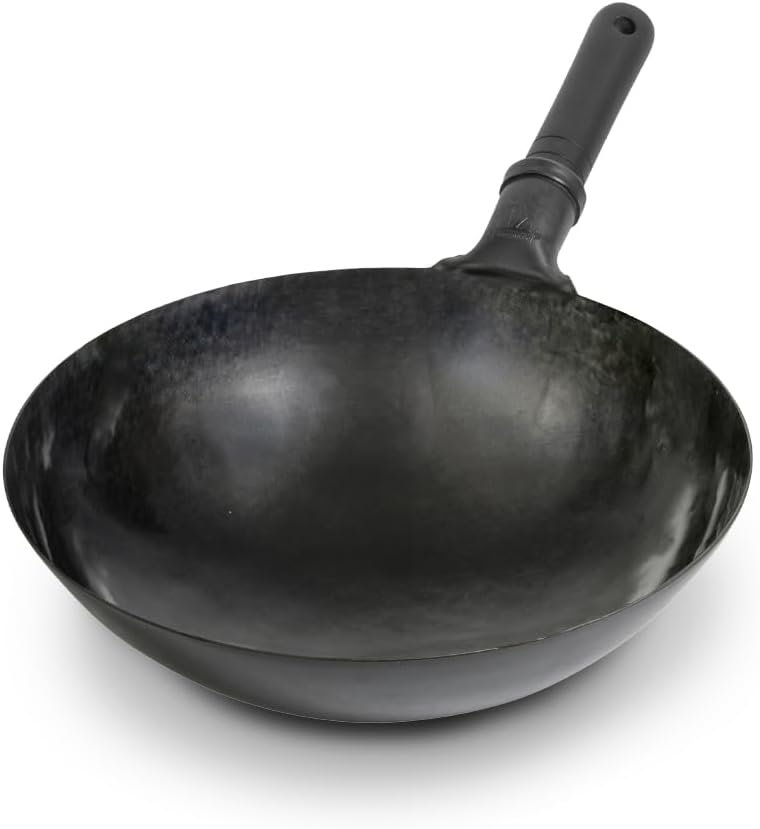
Selecting a carbon steel round bottom wok requires looking closely at material thickness, pre-seasoning status, and handle construction. These traditional pans are designed for high-heat cooking, delivering rapid temperature responses over open flames or gas burners. Because of their rounded bases, they require specific stovetop setups or support rings to remain stable during energetic cooking sessions like tossing and stir-frying.
Exploring the available options reveals various finishes, from factory-blued nitrided surfaces to raw steel that develops a natural patina over time. Whether you need an extensive accessory bundle or a streamlined pan for daily meals, understanding these core attributes helps you choose a suitable wok for your kitchen or outdoor cooking space.
As an Amazon Associate, StacyLaughs earns from qualifying purchases.
Buying guide
Material Composition and Thickness
Carbon steel thickness heavily dictates how a round bottom wok performs under intense heat. Standard restaurant-grade pans often feature gauges ranging from 1.5mm to over 2mm, balancing durability with thermal responsiveness. Thicker steel retains heat longer, making it ideal for maintaining high temperatures when adding cold ingredients. Thinner variants heat up almost instantly, allowing rapid temperature adjustments during delicate stir-frying tasks.
Choosing the right gauge depends entirely on your arm strength and cooking style. Heavy bodies weigh down the stovetop securely but require more effort to lift and toss. Evaluating material specs ensures you get a sturdy pan that matches your daily culinary routine without causing unnecessary physical strain during long cooking sessions.
Surface Treatments and Seasoning
Factory treatments vary widely among carbon steel woks, influencing how much preparation is needed before your first meal. Some models arrive raw and require intensive scrubbing and oil baking to build a protective layer. Others feature nitrided or blue-treated surfaces that offer enhanced corrosion resistance and smoother initial non-stick performance straight out of the box.
Understanding these surface attributes helps you avoid unexpected maintenance tasks. If you prefer a turnkey experience, pre-treated blue steel saves initial time. For traditionalists who enjoy building a custom patina from scratch, untreated metal provides an evolving cooking surface that darkens and improves naturally over years of regular use.
Stovetop Compatibility and Shape
The defining characteristic of a traditional round bottom wok is its curved base, which naturally cradles ingredients and concentrates heat efficiently at the center. However, this rounded shape cannot balance independently on flat electric coils or smooth induction glass surfaces. Users must verify that their kitchen setup includes a functional gas burner paired with a stable metal support ring.
Failing to match the pan shape to your specific heat source results in dangerous wobbling and severely uneven heating. Outdoor cooking setups like open campfires and dedicated propane burners accommodate these curved bases exceptionally well. Confirming your kitchen cooking capability beforehand guarantees safe everyday operation and proper heat transfer during meal preparation.
Handle Design and Ergonomics
Handling a heavy wok filled with food requires secure, well-designed handles. Traditional wooden grips stay cool longer on the stovetop, protecting your hands from intense thermal transfer during high-heat cooking sessions. Many round bottom models also feature a steel helper handle opposite the main grip, providing essential leverage when lifting heavy portions or transferring the pan.
Some handles attach via screws that require periodic tightening, while others feature removable designs for oven compatibility. Evaluating how the handle is secured helps prevent loose connections during active kitchen maneuvers. Prioritizing comfortable, heat-resistant materials ensures you maintain confident control whether you are tossing fried rice or searing meats.
Included Accessories and Bundles
Purchasing a round bottom wok often extends beyond just the metal pan itself. Several manufacturers offer comprehensive accessory bundles that include metal spatulas, wooden brushes, support rings, and oil racks. These bundled tools are specifically sized to fit the contours of the pan, eliminating the need to source compatible utensils separately for your traditional cooking routines.
While bundles provide immediate value and convenient toolsets, they can also increase the initial package footprint and cost. Assessing whether you already own compatible spatulas helps determine if an all-inclusive kit is necessary. Selecting a package that matches your accessory needs ensures you get practical utility without paying for redundant kitchen items.
Maintenance and Rust Prevention
Carbon steel cookware requires consistent care to maintain its performance and prevent rust. Unlike stainless steel, these pans rely on a polymerized oil coating that builds up over time to create a natural non-stick surface. Proper maintenance involves hand washing promptly after use, drying the metal thoroughly over residual heat, and applying a very thin layer of cooking oil.
Skipping these crucial maintenance steps quickly leads to oxidation and flaking seasoning. If you live in a humid environment or prefer low-maintenance cookware, the upkeep routine demands careful attention. Embracing these simple post-cooking habits ensures your carbon steel wok remains a reliable, long-lasting staple in your culinary repertoire.
Frequently asked questions
Can I use a round bottom wok on a flat electric or induction cooktop?
Traditional round bottom woks are specifically engineered with a curved base that requires an open flame or gas burner to distribute heat evenly up the sides. Because of this curved profile, they cannot sit flat on electric coil surfaces or smooth induction glass cooktops without wobbling dangerously. Attempting to use them on flat cooktops results in poor heat transfer and instability. If you cook exclusively on electric or induction surfaces, you must look for a flat-bottomed variant rather than a round bottom design.
Why do carbon steel woks require seasoning before or after use?
Seasoning creates a natural, non-stick polymer layer on the bare carbon steel surface by bonding heated oil to the metal pores. This protective barrier prevents food from sticking during high-heat stir-frying and shields the reactive steel from moisture-induced rust. While some modern woks arrive pre-treated with nitrided or baked finishes, maintaining this seasoned layer through routine oil application after cleaning ensures long-term durability and effortless food release every time you cook.
How do I clean and store my carbon steel wok safely?
You should always wash your carbon steel wok by hand using warm water and avoid harsh synthetic soaps that can strip away the developing seasoning layer. After washing, dry the pan completely using a towel or by placing it over a warm burner to eliminate residual moisture. Once bone dry, rub a very small amount of cooking oil across the entire interior and exterior surface using a paper towel before storing it in a dry location to prevent rust.
What is the advantage of a hand-hammered wok versus a smooth one?
Hand-hammered woks feature distinctive dimpled surface textures created by skilled artisans during manufacturing. These tiny indentations help trap micro-layers of oil and prevent food from sliding completely up the pan walls too quickly during energetic tossing maneuvers. Additionally, the hammering process often work-hardens the metal, creating a thicker and more durable body that retains heat efficiently across the entire cooking surface for authentic high-heat Asian culinary results.
Do I need a wok ring to use a round bottom wok?
A wok ring is typically required if your gas stovetop burner grates do not have built-in wok supports or if you are using a portable outdoor burner. The support ring provides a stable base that cradles the curved bottom, preventing the heavy pan from tipping over while you stir-fry or toss ingredients vigorously. Without a stabilizing ring, a round bottom wok will slide around dangerously on standard burner grates, making safe cooking nearly impossible.