Appliances · Buying Guide
Best Carbon Steel Stir Fry Pan for Authentic Cooking
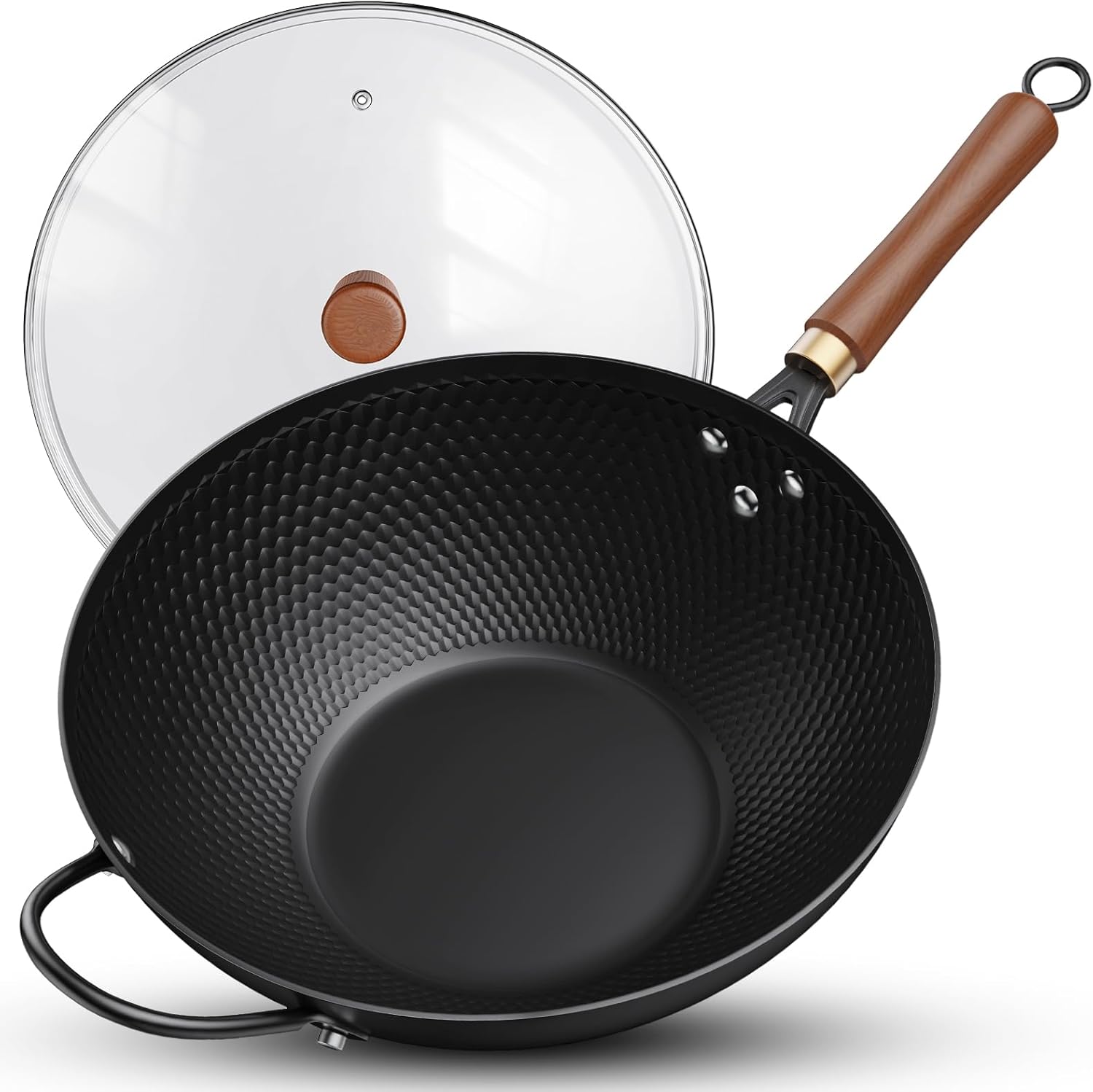
Choosing a reliable carbon steel stir fry pan transforms how you approach high-heat kitchen cooking and outdoor meal preparation. Unlike heavy cast iron or delicate chemical-coated cookware, carbon steel heats rapidly and responds instantly to burner adjustments, making it an essential tool for fast-paced searing, sautéing, and daily tossing routines across various traditional recipes.
Selecting the right pan requires balancing diameter, handle configuration, and stovetop compatibility with your everyday cooking style and kitchen setup. Whether outfitting a compact space for quick weeknight side dishes or preparing large family meals on a powerful gas, electric, or induction range, understanding these core material features ensures dependable, long-term performance without chemical nonstick layers.
As an Amazon Associate, StacyLaughs earns from qualifying purchases.
Buying guide
Material Thickness and Heat Responsiveness
Carbon steel thickness directly influences how a stir fry pan handles high-heat cooking. Thinner gauges heat up rapidly and react instantly when you adjust burner temperatures, giving you precise control during fast-paced searing and sautéing tasks. This quick thermal response prevents food from burning and ensures even cooking results across the base.
Selecting the right gauge depends on your preferred cooking rhythm. While heavier pans retain warmth longer, lighter carbon steel options allow you to toss ingredients effortlessly without straining your wrist. Understanding your stove type and cooking habits helps determine whether a lightweight or heavy-duty build best serves your daily kitchen requirements.
Sizing and Capacity for Daily Meals
Pan diameter dictates how much food you can prepare at once without overcrowding the cooking surface. Smaller models measuring under ten inches suit single portions or side dishes, whereas larger thirteen-inch options easily accommodate family meals, generous vegetable batches, and multi-ingredient stir-fries. Choosing the correct size ensures ingredients tumble freely and brown properly.
Evaluating your typical portion sizes prevents storage and usability frustrations. Oversized pans demand substantial cabinet space and wide storage footprints, while compact pans may require batch cooking for larger households. Matching the pan dimensions to your regular meal volume keeps kitchen workflows efficient and enjoyable.
Flat Bottom Versus Round Bottom Compatibility
Stovetop compatibility heavily depends on the base design of your stir fry pan. Flat-bottom models sit securely on electric coils, glass cooktops, ceramic burners, and induction ranges by maintaining direct contact with the heating element. This stability makes flat carbon steel pans versatile additions to modern kitchens.
Traditional round-bottom woks require dedicated support rings on standard Western stovetops, whereas flat-bottom variants adapt naturally to diverse kitchen setups. If you plan to cook over outdoor gas burners, grills, or open campfires, verifying base stability ensures safe handling and consistent heat transfer during high-temperature sessions.
Pre-Seasoning and Natural Non-Stick Surfaces
Pre-seasoned carbon steel surfaces provide a practical head start by offering a functional non-stick layer right out of the box. Unlike chemical coatings that can degrade under high heat, natural oil patinas and nitrided treatments improve with age. Each cooking session builds a richer, darker surface that enhances food release naturally.
Maintaining this seasoned layer requires consistent cooking habits and proper oil application after cleaning. Avoiding harsh detergents and abrasive scrubbers preserves the protective patina. Embracing regular maintenance ensures your pan develops superior non-stick performance over years of reliable culinary use.
Handle Materials and Storage Flexibility
Handle construction impacts both cooking comfort and storage convenience. Ergonomic wooden handles stay cool during stovetop use and provide a secure grip when tossing heavy ingredients. Some models feature helper handles to assist with lifting, while others offer detachable designs for oven use or tight storage spaces.
Reviewing available kitchen storage helps narrow down handle preferences. Pans with fixed wooden grips and hanging holes fit easily on wall hooks or deep shelves, whereas detachable configurations suit compact cabinets. Selecting the right handle style ensures safe maneuvering and straightforward kitchen organization.
Essential Maintenance and Cleaning Routines
Proper care is vital for keeping carbon steel cookware free of rust and damage. Because these pans are strictly hand-wash only, you must clean them promptly with warm water and dry them thoroughly after every use. Storing a damp pan invites unwanted corrosion, ruining the seasoned surface layer.
Applying a thin layer of cooking oil after drying locks out moisture and maintains the seasoning. Following manufacturer guidelines and avoiding dishwashers guarantees long-term durability. Committing to these straightforward maintenance steps preserves the pan's natural non-stick properties and structural integrity over time.
Frequently asked questions
Can I use a carbon steel stir fry pan on an induction stovetop?
Yes, carbon steel pans with flat bottom designs are fully compatible with induction cooktops, along with gas and electric ranges. The flat base maintains direct, stable contact with smooth glass or induction surfaces to ensure efficient heat transfer. Because carbon steel responds rapidly to temperature changes, induction burners heat the pan quickly. Always lift the pan rather than sliding it across glass surfaces to prevent scratching your cooktop, and verify that the flat base diameter matches your burner zone size for optimal heating performance.
Do I need to season a pre-seasoned carbon steel stir fry pan before first use?
Pre-seasoned carbon steel pans arrive with a factory-applied protective layer or initial seasoning, meaning they can typically be used after a simple initial cleaning. However, unlike synthetic non-stick cookware, these pans require ongoing seasoning over time. Cooking with oils and applying a thin coat after hand washing helps build a rich, natural patina. This continuous seasoning process improves food release and strengthens corrosion resistance, ensuring the pan performs better with age and regular use in your kitchen.
Why is hand washing required instead of putting the pan in the dishwasher?
Dishwashers expose carbon steel to harsh detergents, prolonged moisture, and aggressive water jets that strip away the protective seasoned patina and cause rapid rusting. Hand washing with warm water helps preserve the natural non-stick surface. Because carbon steel lacks synthetic chemical coatings, maintaining its durability relies entirely on keeping the metal dry and lightly oiled. Following hand-wash guidelines protects your investment and ensures the pan remains rust-free and ready for high-heat cooking sessions.
Are carbon steel stir fry pans safe to use at high temperatures?
Carbon steel is exceptionally well-suited for high-temperature cooking methods like searing, stir-frying, and deep-frying. The durable metal withstands intense heat from gas burners, outdoor grills, and open campfires without warping or degrading. Unlike traditional non-stick coatings that release harmful fumes at elevated temperatures, bare carbon steel contains no synthetic chemicals. However, you should always check specific manufacturer temperature limits, especially if your pan features wooden components, helper handles, or attached glass lids rated for lower maximum thresholds.
How do I prevent food from sticking to my carbon steel pan?
Preventing food sticking involves building and maintaining a strong seasoned oil patina on the carbon steel surface. Always preheat the pan thoroughly over medium-high heat before adding cooking oil, allowing the metal to expand and create a slick barrier. Adding ingredients only after the oil is hot prevents them from gripping the pores of the metal. Additionally, regular post-cleanup oil applications and avoiding acidic ingredients during early seasoning stages ensure your pan develops a reliable, smooth non-stick cooking layer over time.