Appliances · Buying Guide
Best Cast Iron Enamel Saute Pan Options for Even Heat and Daily Cooking
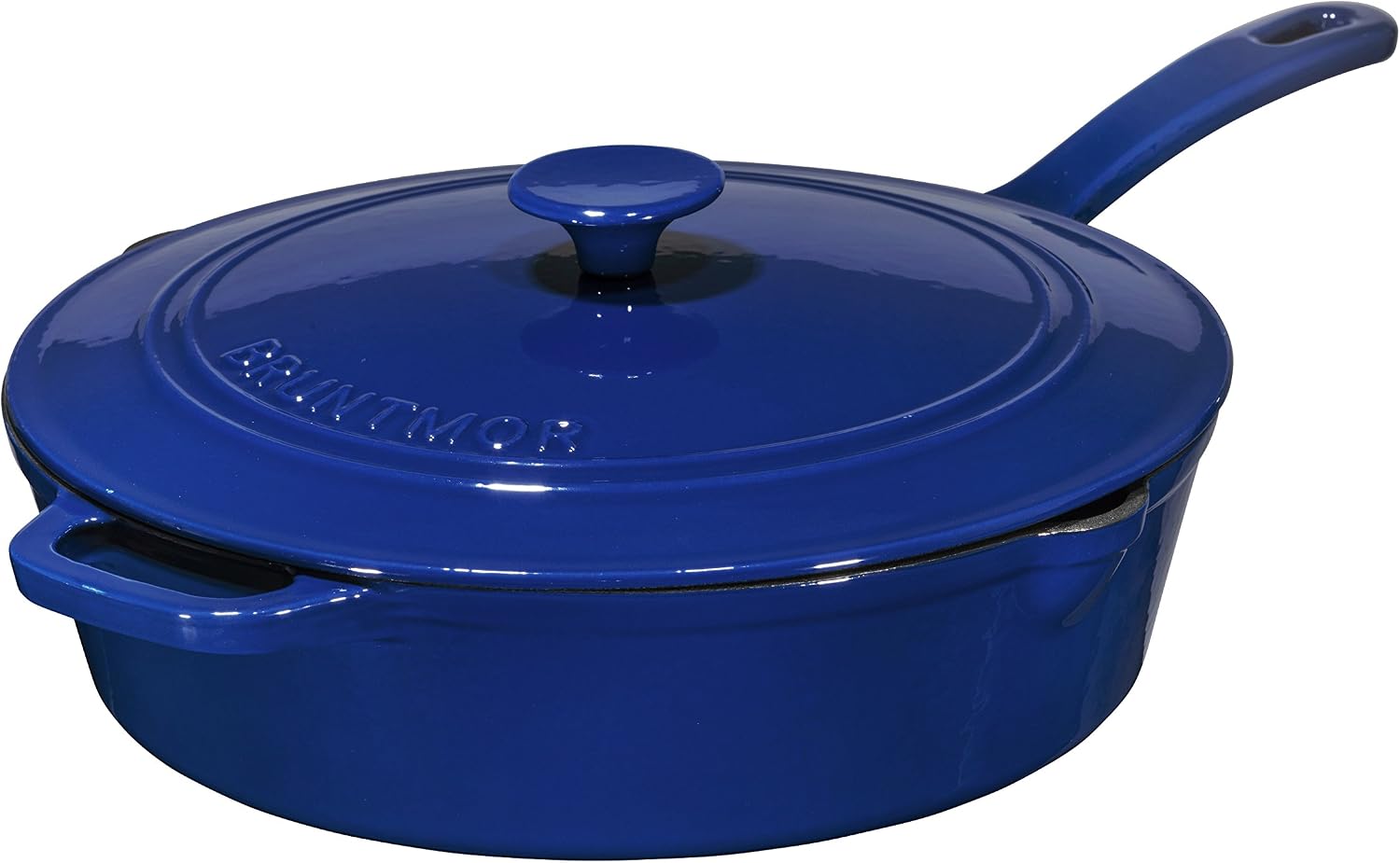
Finding the right cast iron enamel saute pan can completely transform how you handle daily kitchen tasks, from searing meats to simmering rich, flavorful sauces. These versatile cooking vessels combine the classic heat retention of traditional iron with a smooth, protective coating that simplifies both cooking and cleanup routines across various meal types and home recipes.
Because these pans move easily from stovetop burners to hot oven interiors, they offer remarkable flexibility for multi-step recipes like braises, bakes, and roasts. Reviewing the specific capacities, lid designs, and handling features available across different models helps ensure you select a pan that matches your typical meal sizes and cooking preferences.
As an Amazon Associate, StacyLaughs earns from qualifying purchases.
Buying guide
Capacity and Meal Volume
Choosing the correct capacity ensures your pan accommodates your typical family recipes without overcrowding ingredients or causing messy liquid overflows during cooking. Smaller options around three or four quarts work well for side dishes or small household meals, while larger five-quart models handle bulky roasts, hearty soups, and family-sized portions comfortably without requiring multiple batches.
Think carefully about how many people you usually cook for when evaluating pan dimensions and storage needs. Selecting an appropriate size prevents the frustration of cramped ingredients while avoiding excessively heavy cookware that becomes cumbersome to lift during daily kitchen routines, meal preparation, and post-cooking washing.
Heat Retention and Material Quality
Enameled cast iron provides exceptional thermal mass, allowing these versatile cooking pans to maintain steady temperatures across various stovetop surfaces including induction, gas, and electric coils. This consistent heat distribution helps sear meats evenly and keeps simmering stews at a stable, uniform warmth throughout the entire cooking process without constant manual temperature adjustments or flare-ups.
The heavy underlying iron core absorbs thermal energy slowly but holds it remarkably well, minimizing annoying hot spots during high-heat searing tasks. Understanding this unique material behavior helps you manage stovetop temperatures effectively without scorching delicate ingredients during long braising sessions, baking tasks, or extended oven roasting routines and slow-cooked meal preparations.
Lid Design and Moisture Retention
The design of the lid plays a critical role in how well your pan locks in moisture and circulates steam during long cooking sessions. Lids featuring self-basting spikes or water-drop contours capture rising condensation and drip it back onto ingredients, keeping meats tender and richly flavorful without requiring tedious manual basting throughout the entire cooking process.
A heavy, well-sealed lid prevents valuable steam from escaping prematurely, which significantly reduces the need to constantly add extra liquids to simmering stews and braises. Checking for tight lid alignment ensures your cooking vessel performs efficiently during extended oven baking and stovetop simmering tasks while preserving natural food juices, rich textures, and original aromas.
Maintenance and Cleaning Convenience
Enameled surfaces eliminate the traditional seasoning steps required by bare cast iron, making cleanup much faster and more straightforward after heavy family meals. Most enameled pans wash easily with warm soapy water and a soft sponge, though checking whether a specific model permits dishwasher use saves significant manual effort during busy post-meal cleanup routines.
Preventing damage to the porcelain coating requires avoiding harsh abrasive scrubbing pads and sharp metal utensils that might scratch the smooth inner finish. Proper daily care preserves both the vibrant aesthetic exterior appeal and the reliable non-stick cooking qualities of your cookware over many years of frequent kitchen use, washing, and storage.
Handling and Stovetop Versatility
Moving a heavy cast iron pan safely requires secure handles, such as dual assist grips or sturdy side loops that offer a firm, confident hold during kitchen transport. Pans that transition smoothly from stovetop burners to high oven temperatures expand your daily recipe options significantly without requiring extra dishware transfers between different cooking stages and table serving.
Ensuring your chosen pan is fully compatible with your specific cooktop type, whether induction, gas, electric, or ceramic, prevents uneven heating issues and poor performance. Additionally, checking maximum temperature limits ensures safe baking and broiling performance without risking thermal damage to attached metal knobs or side handles during high heat cooking operations.
Storage Space and Weight Considerations
Cast iron cookware is inherently heavy and robust, meaning you must carefully consider your physical comfort when lifting large or fully filled pans from burners. Selecting a capacity that balances your household meal requirements with your personal ability to hoist the vessel prevents unnecessary physical strain during daily kitchen use, washing, and cleanup.
Large footprints, wide dual handles, and high lids also demand adequate cabinet or pantry storage room so your kitchen stays organized and accessible. Measuring your available shelf and counter space before purchasing helps you find a cookware model that fits comfortably in your home storage layout without cluttering busy daily cooking workspaces.
Frequently asked questions
Do enameled cast iron pans require seasoning before use?
No, enameled cast iron cookware features a smooth porcelain or enamel coating that completely seals the underlying iron metal. This protective layer means you never need to season the pan with oil before cooking, unlike traditional bare cast iron skillets. You can wash the pan and start cooking immediately out of the box. The smooth surface naturally resists sticking and protects against rust, making maintenance much simpler for everyday home cooks who want hassle-free meal preparation without extra upkeep routines.
Can these enameled cast iron pans go inside the oven?
Yes, most enameled cast iron braisers and sauté pans are designed to tolerate high oven temperatures, frequently up to 500 degrees Fahrenheit. This high heat tolerance allows you to start a meal by searing meat on the stovetop and then transfer the entire pan directly into the oven to finish roasting or baking. Always check the specific manufacturer guidelines regarding knob materials and maximum temperature ratings to ensure safe baking performance without risking damage to handles or lids.
Are enameled cast iron pans dishwasher safe?
Dishwasher compatibility varies depending on the specific manufacturer and model guidelines provided for each pan. While some enameled cast iron cookware explicitly permits dishwasher cleaning, many brands recommend washing the items by hand using warm water and mild soap. Hand washing helps preserve the glossy exterior finish and prevents potential dulling or chipping over years of heavy use. Checking the care instructions for your chosen pan ensures you maintain it properly according to factory specifications.
What cooktops are compatible with enameled cast iron?
Enameled cast iron cookware is exceptionally versatile and typically compatible with all major cooktop types, including gas burners, electric coils, smooth ceramic surfaces, and induction cooktops. The flat iron base ensures proper contact and even heat conduction across magnetic induction burners and traditional gas flames alike. This broad compatibility makes enameled pans a flexible choice if you decide to upgrade your kitchen range or cook across different heat sources during meal preparation routines.
How do I prevent food from sticking to an enameled cast iron pan?
To minimize sticking, preheat your enameled cast iron pan gradually over low to medium heat before adding a small amount of cooking oil or butter. Avoid heating an empty pan on high settings, as excessive thermal shock can damage the delicate enamel coating. Using wooden, silicone, or plastic utensils also protects the smooth inner surface from scratches. Letting the pan cool down naturally before washing prevents thermal warping and preserves its non-stick cooking performance over time.