Appliances · Buying Guide
Best Cast Iron Skillet For BBQ And Outdoor Cooking
Finding the right cast iron skillet for bbq cooking completely transforms how you prepare meals over open flames, campfires, or traditional backyard grills. Traditional iron cookware offers exceptional heat retention and reliable durability, making it a dependable choice for outdoor cooking enthusiasts and home cooks alike who demand robust performance.
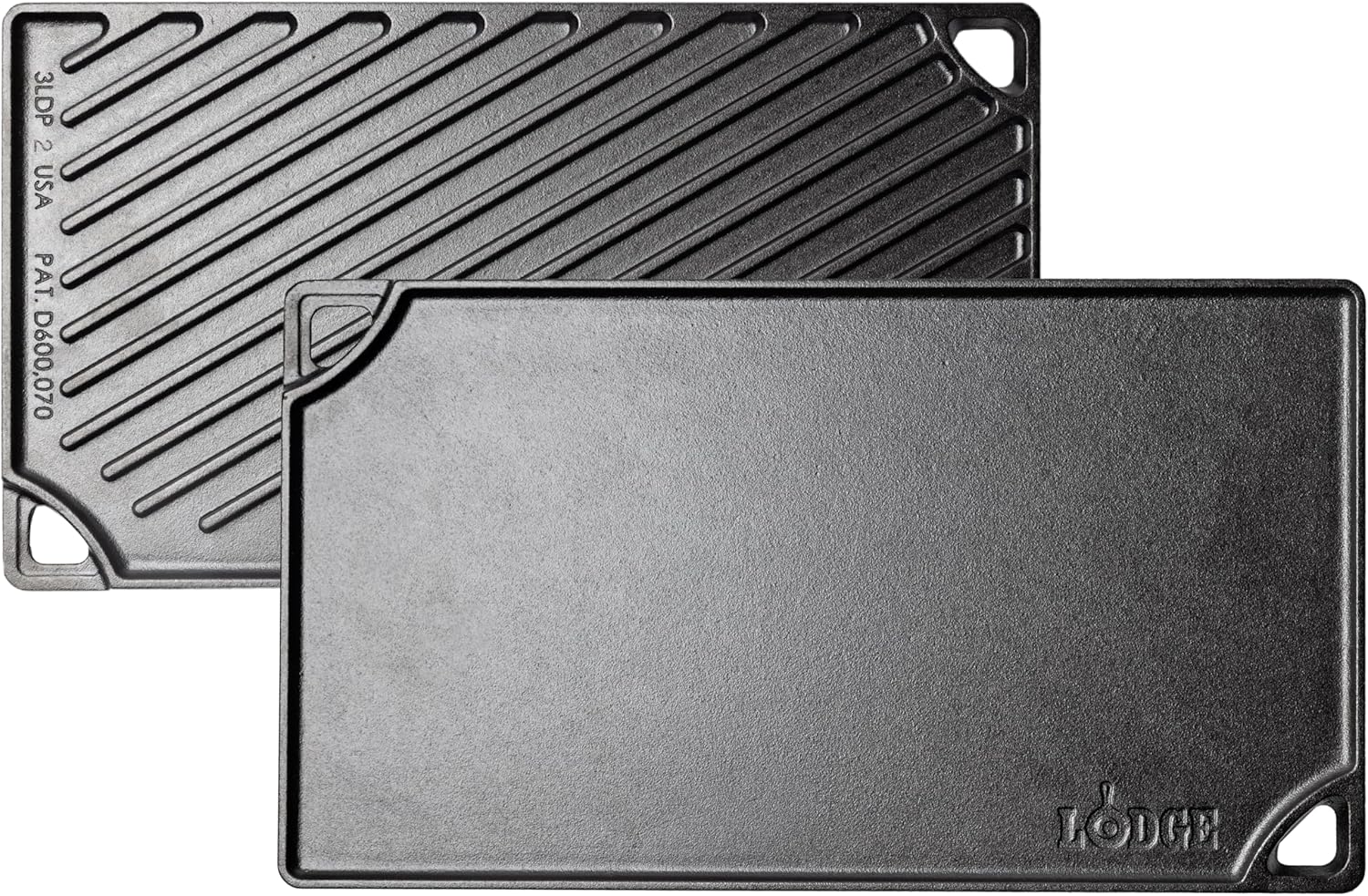
Whether you need a spacious double burner griddle for family breakfasts or a traditional round frying pan for searing meats, heavy cast iron delivers unmatched versatility across multiple heat sources. Selecting the ideal piece depends directly on your preferred cooking methods, available burner setup, and whether you plan to sear thick steaks or bake cornbread outdoors.
As an Amazon Associate, StacyLaughs earns from qualifying purchases.
Buying guide
Evaluating Size And Capacity For Outdoor Meals
Choosing the right pan size directly influences how comfortably you can cook for family and guests during outdoor grilling gatherings and backyard cookouts. Smaller 10-inch skillets handle single portions or side dishes easily, while larger 12-inch models comfortably accommodate bulkier cuts of meat, large roasts, and family-sized portions without crowding your cooking surface.
Matching your vessel capacity to your typical meal volume prevents overcrowding on the heat source and ensures consistent, even cooking results. Consider whether you need a deep 3-liter body for substantial roasting tasks or a wide rectangular plate for simultaneous breakfast preparation across dual burners during camping trips.
Understanding Heat Sources And Burner Compatibility
Cast iron cookware is celebrated for its remarkable ability to function across an impressive variety of heat sources. Whether you cook over a gas stove, an electric coil, an induction cooktop, or an open campfire, iron maintains steady temperatures. Ensuring your chosen skillet matches your preferred cooking environment guarantees reliable performance wherever you set up.
Rectangular double-burner griddles require specific burner layouts to heat evenly across their entire surface, unlike round skillets that sit neatly on single elements. Evaluate your daily cooking setup before purchasing to confirm whether a single round pan or a multi-burner bridge configuration fits your outdoor grill and indoor stove dimensions.
Mastering Surface Textures And Cooking Styles
Different cooking techniques demand specific interior surface designs to achieve optimal culinary results. Flat-bottom skillets excel at general frying, pan roasting, and baking cornbread, while ribbed grill pans channel excess grease away and create distinctive sear marks on steaks. Matching the surface texture to your favorite recipes enhances your overall outdoor cooking experience.
Consider whether you prefer a smooth frying surface for flipping delicate eggs and pancakes or raised ridges that mimic steakhouse sear lines on burgers and vegetables. Each texture offers distinct advantages for specific ingredients, helping you produce professional-quality textures during backyard barbecues and weekend camping adventures.
Handling Weight And Maneuverability Factors
Heavy iron cookware provides unmatched durability and heat retention, but it also introduces significant weight that affects daily handling. Larger 12-inch skillets and multi-pound rectangular griddles require secure grips, especially when loaded with food. Evaluating your comfort level with heavy pans helps prevent accidents when moving hot cookware from grills to tables.
Look closely at handle configurations, such as traditional teardrop grips, long primary handles, or dual assist handles. Dual handles distribute heavy loads more evenly between both hands, making it easier to transport large pans safely. Selecting the right handle style ensures confidence and stability during every outdoor cooking session.
Maintaining Seasoned Finishes And Proper Care
Proper maintenance is essential for preserving the natural non-stick seasoning on cast iron cookware over years of frequent use. Because these pans require hand washing without harsh dishwasher detergents, adopting a simple cleaning routine prevents rust and preserves the cooking surface. Following manufacturer care guidelines ensures your iron skillet remains reliable for every meal.
Regular seasoning maintenance keeps the iron surface smooth and naturally non-toxic, relying solely on iron and vegetable oils. Avoid letting pans soak in water for extended periods, and dry them thoroughly after washing. Simple upkeep habits protect your investment and maintain excellent cooking performance across countless outdoor grilling sessions.
Evaluating Multi-Purpose Versatility Outdoors
True outdoor versatility means your cookware can transition smoothly from a backyard grill grate to an open campfire or kitchen oven. Selecting pans designed for multi-purpose use allows you to bake, braise, sear, and roast without switching equipment. This flexibility streamlines meal preparation whether you are cooking at home or traveling.
Assess how many different cooking tasks a single pan can perform before deciding on a purchase. Versatile designs reduce clutter in your kitchen or camping gear while providing dependable performance across diverse environments. Choosing multi-purpose iron cookware ensures you are always prepared for any outdoor cooking challenge.
Frequently asked questions
Can I use a cast iron skillet directly on an open campfire during a bbq trip?
Yes, cast iron cookware is exceptionally well-suited for direct use over open campfires, charcoal grills, and wood fires. The durable iron construction withstands high outdoor temperatures without degrading, making it a favorite choice for camping and outdoor cooking enthusiasts. When placing your skillet over a campfire, ensure it rests securely on stable grates or rocks to prevent tipping. Always use heat-resistant gloves or mitts when handling hot iron over open flames, as the entire pan and handle absorb significant thermal energy during cooking.
How do I clean my pre-seasoned cast iron skillet after cooking greasy foods?
Cleaning pre-seasoned cast iron requires hand washing without harsh automatic dishwashers or abrasive chemical detergents that can strip the natural seasoning. After cooking greasy foods, let the pan cool slightly, then wash it with warm water and a stiff brush or sponge. For stubborn food residue, you can simmer a small amount of water in the pan to loosen debris before scrubbing. Always dry the iron thoroughly with a towel and apply a very light coat of vegetable oil to prevent rust before storing.
What is the advantage of a ribbed grill pan over a flat cast iron skillet?
A ribbed grill pan features raised ridges on the cooking surface designed to elevate meats and vegetables, creating authentic steakhouse-style sear marks. These ridges also serve a practical purpose by channeling excess grease and fat away from your food during high-heat cooking. In contrast, a flat skillet provides a continuous surface ideal for frying eggs, making pancakes, or smashing burgers where uniform contact with the entire pan base is necessary. Your choice depends entirely on whether you prefer sear lines or flat frying versatility.
Do cast iron skillets work on modern induction cooktops?
Yes, cast iron is naturally magnetic, which makes it fully compatible with smooth surface induction cooktops as well as traditional gas and electric burners. The heavy iron material interacts efficiently with induction magnetic fields to distribute heat evenly and maintain steady cooking temperatures. When using cast iron on glass or induction cooktops, it is important to lift the pan rather than sliding it across the surface to prevent scratching the glass. This dual compatibility allows you to move seamlessly between indoor induction stoves and outdoor grills.
Why do some cast iron pans feature dual assist handles instead of a long handle?
Pans featuring dual assist handles instead of a single long handle are typically designed for larger diameters, heavier capacities, and easier placement inside ovens or on compact grill grates. Two shorter handles distribute the substantial weight of heavy iron cookware evenly between both hands, providing superior balance and control during transport. This design also allows large pans to fit easily into smaller oven cavities or crowded stovetops where a protruding long handle would take up too much space.