Appliances · Buying Guide
Best Cast Iron Skillet Price Options for Every Budget and Kitchen
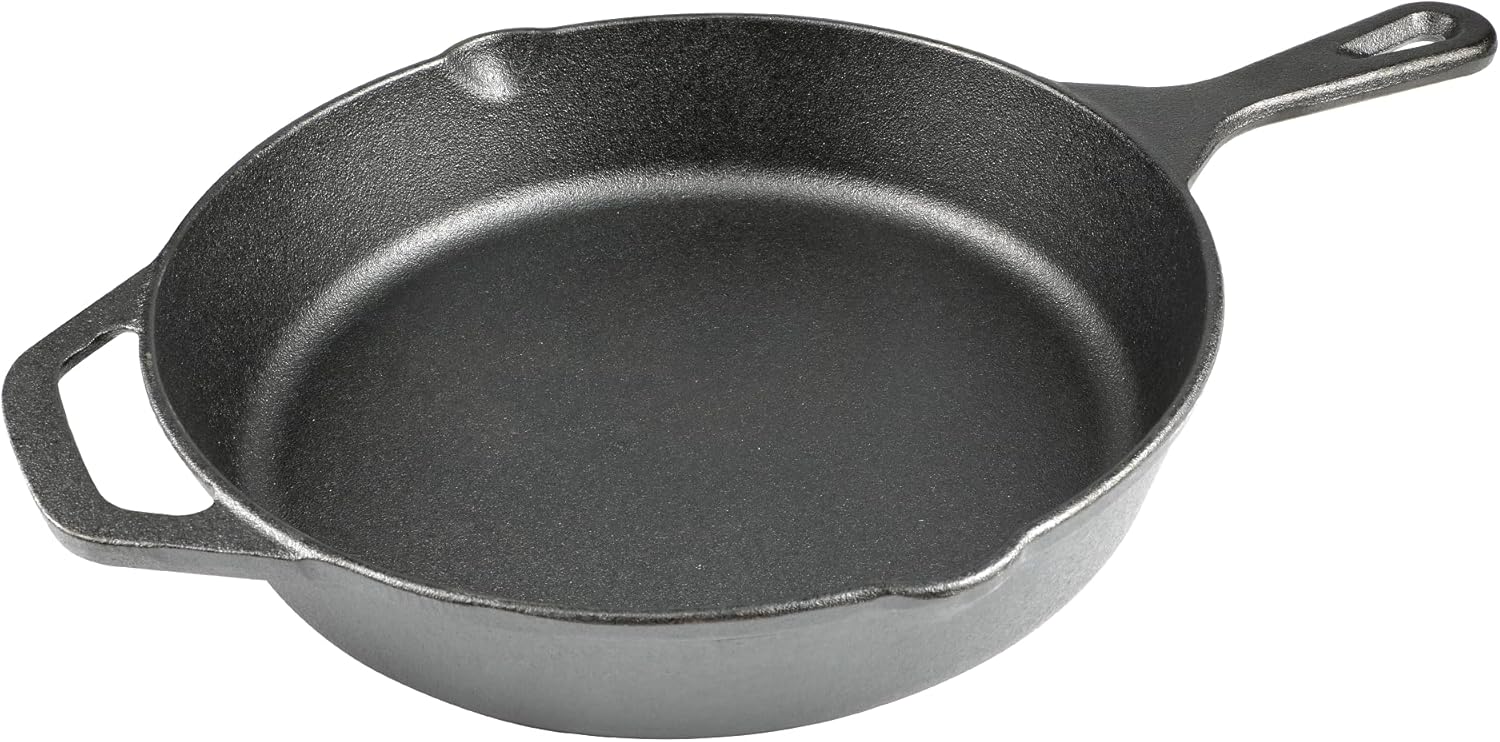
Evaluating the right cast iron skillet price requires looking closely at how material thickness, sizing, and set configurations match your everyday culinary habits. These traditional kitchen tools deliver reliable heat retention and distribution, making them exceptional choices for searing meats, frying eggs, baking cornbread, and handling high-heat cooking across various modern stovetops, induction surfaces, and outdoor campfires.
Shoppers frequently compare different options to find durable cookware that fits their budget without sacrificing structural integrity. Whether you need a compact single pan for quick meals or a heavy-duty multi-piece collection for extensive batch cooking, understanding the specific features of each model helps determine true value and long-term kitchen suitability.
As an Amazon Associate, StacyLaughs earns from qualifying purchases.
Buying guide
Evaluating Sizing and Capacity
When shopping for a cast iron skillet, matching the diameter and capacity to your household size is essential for practical everyday cooking. Smaller pans under seven inches excel at single servings or warming sauces, while medium models between ten and twelve inches handle standard family meals. Extra-large options exceeding fifteen inches accommodate massive batch cooking but require ample storage space.
Consider the specific recipes you prepare most frequently. If you routinely sear large cuts of meat or bake oversized cornbread, a broader cooking surface prevents overcrowding. Conversely, choosing a pan that is too large for your stove burner leads to uneven heating and awkward handling. Balancing physical dimensions with your typical meal volume ensures maximum satisfaction from your cookware investment.
Understanding Stovetop and Hob Compatibility
Cast iron skillets offer broad versatility across various heat sources, but you must verify that a specific model matches your kitchen setup. Many traditional pans work seamlessly on gas, electric coil, and smooth glass induction cooktops. However, certain heavy-duty variants restrict usage to specific hob types due to their bottom configuration or magnetic properties required for induction heating.
Outdoor cooking enthusiasts should look for campfire and grill safety certifications, ensuring the iron can withstand open flames without warping. Checking these compatibility details prevents frustration and protects your stovetop from scratches caused by rough iron bases. Matching your kitchen heating elements to the pan specifications guarantees efficient heat transfer and consistent cooking results every time.
Seasoning and Non-Stick Performance
Pre-seasoned cast iron skillets arrive with baked-on vegetable oil finishes designed to provide natural food release without synthetic chemicals. Unlike modern non-stick coatings, authentic iron seasoning builds up and improves over time with regular cooking use and proper care. This natural surface allows you to achieve great sears on meats while avoiding harmful PFOA or PTFE materials entirely.
Buyers must understand that factory seasoning requires ongoing maintenance rather than acting as a permanent slick surface. You will need to periodically re-season the iron and avoid cooking highly acidic foods initially to preserve the protective layer. Accepting this maintenance routine ensures your skillet remains rust-free and delivers reliable, effortless food release for years of daily cooking.
Weight and Handle Ergonomics
Heavy-duty cast iron construction inherently brings substantial physical weight, which impacts how comfortably you can maneuver the pan. While thick iron walls provide superior heat retention, lifting a fully loaded skillet requires significant arm strength. Evaluating the handle design, including teardrop shapes or helper grips, helps ensure a secure and comfortable hold during transport.
Long handles keep your hands safely away from high heat sources, but helper handles are invaluable when managing heavier multi-quart pans. Always account for your personal physical comfort and grip strength before purchasing larger iron cookware. Proper ergonomic features make transitioning a hot skillet from the stovetop to the oven much safer and more manageable.
Temperature Limits and Oven Safety
One major advantage of traditional cast iron is its exceptional thermal resilience, allowing seamless transitions from stovetop searing to high-heat oven finishing. Most quality skillets safely handle temperatures up to 500 degrees Fahrenheit, accommodating baking, broiling, and roasting recipes effortlessly. This dual capability expands your culinary options far beyond standard single-surface frying pans.
You must always verify manufacturer temperature ratings before placing any cookware inside a blazing hot oven or under a broiler. Exceeding specified heat thresholds can damage the seasoning or warp the metal over time. Checking these thermal limits protects your equipment investment and ensures safe operation across all high-temperature baking and searing applications.
Maintenance and Cleaning Requirements
Caring for cast iron cookware demands a shift from standard dishwasher habits to mindful hand-washing routines. Because harsh detergents and soaking can strip the protective seasoning and promote rust, manufacturers universally recommend washing pans by hand with mild soap and drying them thoroughly. Applying a light coat of vegetable oil after cleaning maintains the surface integrity.
Storing your iron skillet in a dry environment prevents moisture from causing unsightly oxidation between uses. While these maintenance steps require a bit more effort than modern dishwasher-safe pans, they reward you with decades of reliable cooking performance. Embracing these simple upkeep practices keeps your cast iron skillet in pristine condition for generations.
Frequently asked questions
Do cast iron skillets come ready to use out of the box?
Most quality cast iron skillets arrive pre-seasoned with natural vegetable oil baked directly onto the metal surface. This factory seasoning provides a functional starting point for cooking, allowing you to use the pan almost immediately after a quick gentle wash. However, the non-stick qualities typically improve significantly over time as you continue cooking oily or fatty foods and applying regular post-wash oil coatings. While pre-seasoned options save you from performing initial seasoning rounds from scratch, following gentle cooking practices during the first few uses helps build a stronger, more enduring protective layer.
Can I use soap when cleaning my cast iron skillet?
Modern culinary guidance confirms that washing cast iron with mild dish soap and water is completely safe and will not ruin a well-established seasoning layer. The old warning against soap originated from harsh lye-based soaps used generations ago, which could strip the metal. Today regular dish soaps are mild enough that they remove food residue without damaging the baked-on oil finish. The critical rule is to dry the pan completely over heat immediately after washing and apply a thin layer of vegetable oil to prevent any moisture from causing rust.
Are cast iron skillets compatible with induction cooktops?
Cast iron is naturally magnetic, making it exceptionally well-suited for smooth surface induction cooktops. The iron material interacts directly with the magnetic field generated by the hob, providing rapid and even heating across the entire cooking base. When shopping for induction-compatible cookware, checking the manufacturer specifications ensures the bottom of the pan is flat and smooth, allowing maximum contact with the glass surface. This prevents scratching the cooktop while maximizing thermal transfer efficiency for all your favorite stovetop searing and frying recipes.
How do I prevent food from sticking to my cast iron pan?
Preventing food from sticking relies on a combination of proper preheating, adequate cooking fats, and a well-maintained seasoning layer. Always preheat your cast iron skillet gradually over medium-low heat before adding butter, oil, or food, as this helps close microscopic pores in the metal and creates a smoother cooking surface. Additionally, avoiding extremely acidic foods like tomatoes or vinegar during your initial weeks of use protects the nascent seasoning layer. Over time, regular cooking use builds up a slick, natural non-stick patina that effortlessly releases eggs, meats, and baked goods.
What should I do if my cast iron skillet starts to rust?
Finding rust on a cast iron skillet does not mean the cookware is ruined, as iron is remarkably resilient and easily restored. You can remove surface rust by scrubbing the affected area gently with a scouring pad, warm water, and mild soap. Once the rust is completely gone, dry the pan thoroughly over a warm burner to eliminate all traces of moisture. Finally, apply a very thin layer of vegetable oil across the entire surface and bake it in the oven for a short period to rebuild the protective seasoning layer.