Appliances · Buying Guide
Best Ceramic Cast Iron Frying Pan Options for Every Kitchen
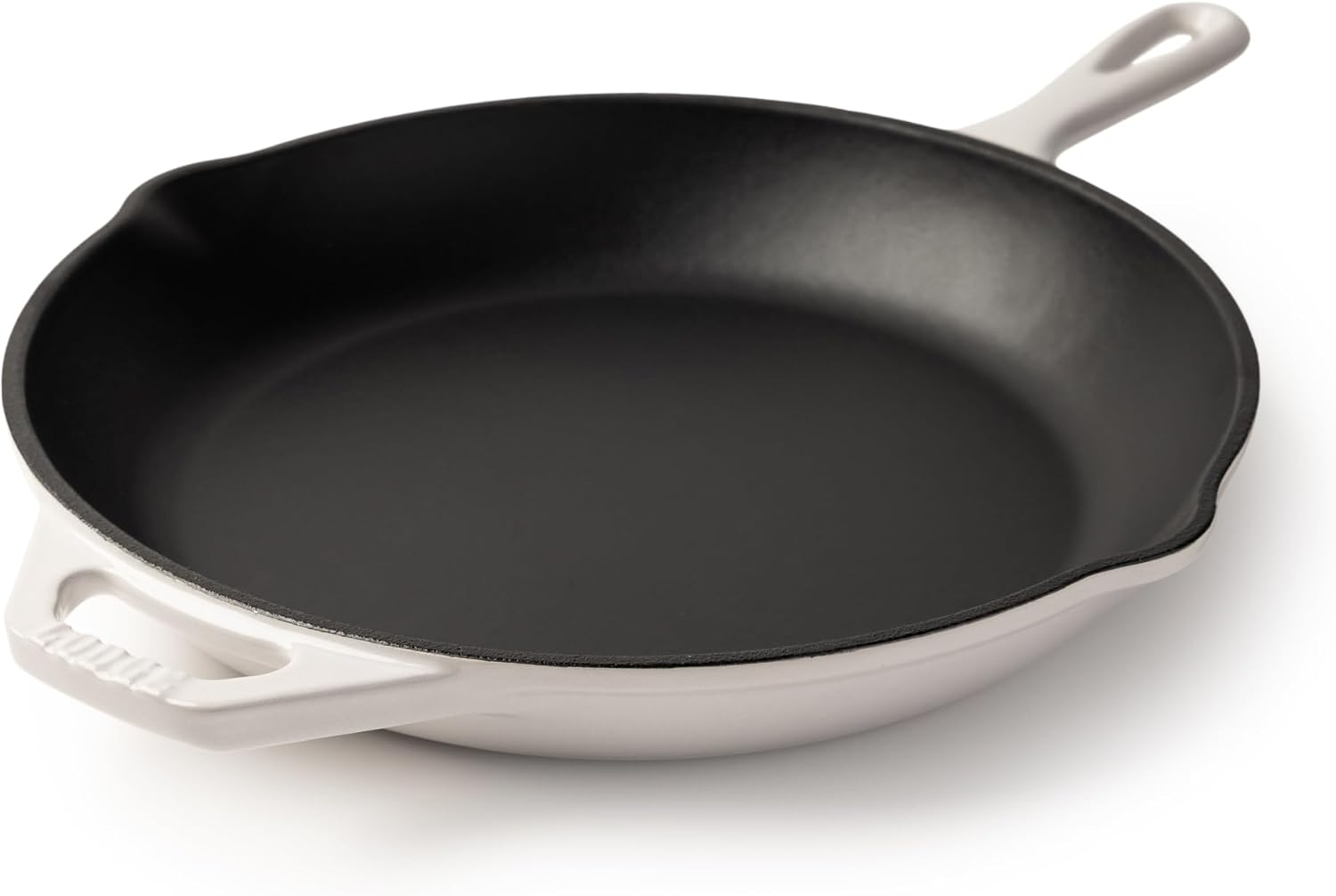
Selecting a reliable ceramic cast iron frying pan brings together the heavy-duty heat retention of traditional metal cookware with smooth, enamel-coated cooking surfaces. These versatile pans handle heavy-duty tasks ranging from searing thick cuts of meat to baking rustic breads without requiring traditional seasoning routines, making them dependable daily kitchen essentials for home cooks everywhere who want straightforward performance.
Whether outfitting a compact cooking space or expanding a diverse cookware collection, carefully evaluating physical design traits, maximum oven temperatures, cleaning requirements, and multi-stovetop compatibilities helps buyers select the ideal enameled skillet for everyday meal preparation across standard gas, electric, ceramic glass, and modern induction cooktops without unnecessary guesswork.
As an Amazon Associate, StacyLaughs earns from qualifying purchases.
Buying guide
Material Construction and Heat Retention
Choosing an enameled cast iron skillet begins with understanding how its heavy metal core affects cooking performance. Unlike standard aluminum or thin stainless steel pans, cast iron absorbs thermal energy slowly and releases it evenly across the entire base. This physical characteristic prevents sudden temperature drops when adding cold ingredients, helping home cooks achieve consistent searing results on steaks, chops, and vegetables.
The addition of a porcelain or ceramic enamel coating eliminates the traditional seasoning requirement associated with raw iron. This glass-like layer bonds to the metal base, creating a smooth cooking floor that resists rust and prevents metallic flavors from transferring into acidic foods like tomato sauces. Buyers should verify that the core thickness meets their durability expectations for long-term daily use.
Stovetop and Oven Compatibility
Modern kitchens feature diverse heat sources, making cooktop compatibility a crucial purchasing factor for any enameled skillet. Quality cast iron pans work seamlessly across traditional gas burners, coil electric elements, smooth ceramic glass surfaces, and magnetic induction cooktops. The flat bottom design ensures stable contact with heating elements, facilitating efficient energy transfer during long simmering or rapid frying sessions.
Beyond the stovetop, maximum oven temperature ratings dictate how versatile the cookware will be for baking, broiling, or roasting. Many enameled skillets tolerate oven heat ranging from 450 to 500 degrees Fahrenheit, allowing users to start a frittata on the burner and finish it under the broiler. Checking these temperature limits prevents accidental damage to handles or knobs during high-heat recipe steps.
Size and Capacity Considerations
Selecting the correct pan diameter and volume capacity depends heavily on household size and typical meal types. Smaller 8-inch or 10-inch skillets suit single portions, fried eggs, and side dishes, fitting easily onto crowded stovetops or inside compact ovens. Larger 11-inch and 12-inch models provide expansive surface areas necessary for family-sized batches of chicken, roasted vegetables, or multi-serving skillet dinners.
Buyers should also evaluate depth and liquid capacity, often measured around two quarts for standard round fry pans. Shallow pans simplify flipping delicate items like pancakes or fish fillets, while deeper sidewalls contain bubbling sauces and splattering oils during deep frying or braising. Matching the physical dimensions to standard recipe volumes ensures optimal cooking efficiency.
Cleaning and Maintenance Requirements
Maintaining enameled cast iron differs significantly from caring for traditional seasoned iron or modern nonstick aluminum alternatives. The smooth ceramic or porcelain interior prevents food from sticking aggressively, meaning gentle wiping with warm soapy water and a soft brush usually suffices for daily cleanup. Unlike raw cast iron, enameled surfaces never require oil seasoning after washing to prevent rust formation.
Certain manufacturers explicitly designate their enameled skillets as dishwasher safe, offering automated cleaning convenience for busy households. However, many brands recommend manual hand washing to preserve the exterior gloss and prevent minor chipping along the rim over years of use. Reviewing official care instructions helps buyers balance convenience preferences with long-term finish preservation.
Handle Design and Ergonomics
Maneuvering heavy metal cookware safely requires careful attention to handle design, length, and auxiliary grips. Long primary handles keep hands away from high-heat cooking zones, while integrated helper handles provide crucial support when lifting a heavy skillet filled with food. Wide, ergonomically shaped handles improve grip security, reducing hand strain during transitions from stovetop burners to oven racks or serving tables.
Lid knobs also play a functional role, especially for models that include tempered glass covers. Stainless steel or cast iron lid knobs must withstand high oven temperatures without degrading. Buyers should ensure that handle and knob materials match their intended cooking habits, such as high-temperature roasting or broiler finishing, to maintain safe, comfortable handling performance over time.
Coating Types and Nonstick Performance
The interior coating of an enameled cast iron pan directly influences food release and cleaning ease without requiring traditional seasoning steps. Smooth porcelain enamel provides a glossy, stain-resistant surface, whereas black matte enamel options offer a slightly textured finish designed to promote caramelization and handle high-heat searing effectively. Titanium-reinforced ceramic coatings enhance nonstick durability for low-oil cooking applications.
Each coating style reacts differently to utensils and cleaning tools over extended periods. While enameled surfaces resist acidic foods and do not absorb odors, users must exercise caution with metal utensils to prevent scratching the smooth finish. Understanding these coating characteristics helps shoppers choose a skillet that aligns with their preferred cooking techniques and maintenance routines.
Frequently asked questions
Do ceramic cast iron frying pans require seasoning?
No, ceramic and porcelain enameled cast iron frying pans do not require traditional seasoning. The smooth glass-like enamel coating seals the porous iron core completely, preventing rust and food adhesion without needing oil layers baked onto the surface. Users can cook acidic ingredients like tomato sauce immediately without metallic flavors transferring into the meal. Cleaning requires only warm soapy water and a soft brush, keeping maintenance straightforward and eliminating the need for post-wash seasoning routines common with raw iron cookware.
Can these enameled skillets be used on induction cooktops?
Yes, all enameled cast iron skillets work exceptionally well on induction cooktops because their heavy cast iron core is naturally magnetic. Induction cooktops heat the cookware directly through magnetic fields, and the dense iron construction of these pans facilitates rapid, even energy transfer. This compatibility allows users to enjoy precise temperature control when searing meats or simmering sauces. Buyers should verify that the flat bottom of the skillet makes full contact with the induction burner surface for optimal heating performance.
Are enameled cast iron frying pans safe for the oven?
Most enameled cast iron frying pans are fully oven safe, though specific temperature limits vary by manufacturer design. Many models withstand oven heat up to 450 or 500 degrees Fahrenheit, accommodating baking, roasting, and broiling tasks. Users must check the exact temperature rating of their specific skillet and ensure that any included lid knobs or handles can tolerate high heat. Transitioning a pan from stovetop burner to oven allows for versatile cooking techniques like finishing frittatas or baking skillet cornbread effortlessly.
What is the difference between porcelain and black matte enamel interiors?
Porcelain enamel interiors usually feature a smooth, glossy finish that resists staining and makes monitoring browning easy, while black matte enamel surfaces offer a slightly textured feel. Black matte interiors are specifically designed to promote exceptional caramelization and handle high-heat searing effectively without showing discoloration over time. Both types eliminate the need for traditional seasoning, but black matte surfaces often mimic the performance of raw cast iron while retaining the rust-resistance benefits of enamel coatings.
How should you clean and maintain a ceramic cast iron pan?
Cleaning a ceramic cast iron pan typically involves washing by hand with warm soapy water and a non-abrasive nylon brush or sponge. Although some manufacturers state their enameled pans are dishwasher safe, hand washing is widely recommended to preserve the exterior gloss and protect the rim from chipping over years of use. Avoid using harsh metal scouring pads or abrasive cleaners that can scratch the smooth enamel surface. Proper storage in a dry cabinet completes the simple maintenance routine.