Appliances · Buying Guide
Best Ceramic Coated Cast Iron Cookware for Everyday Kitchens
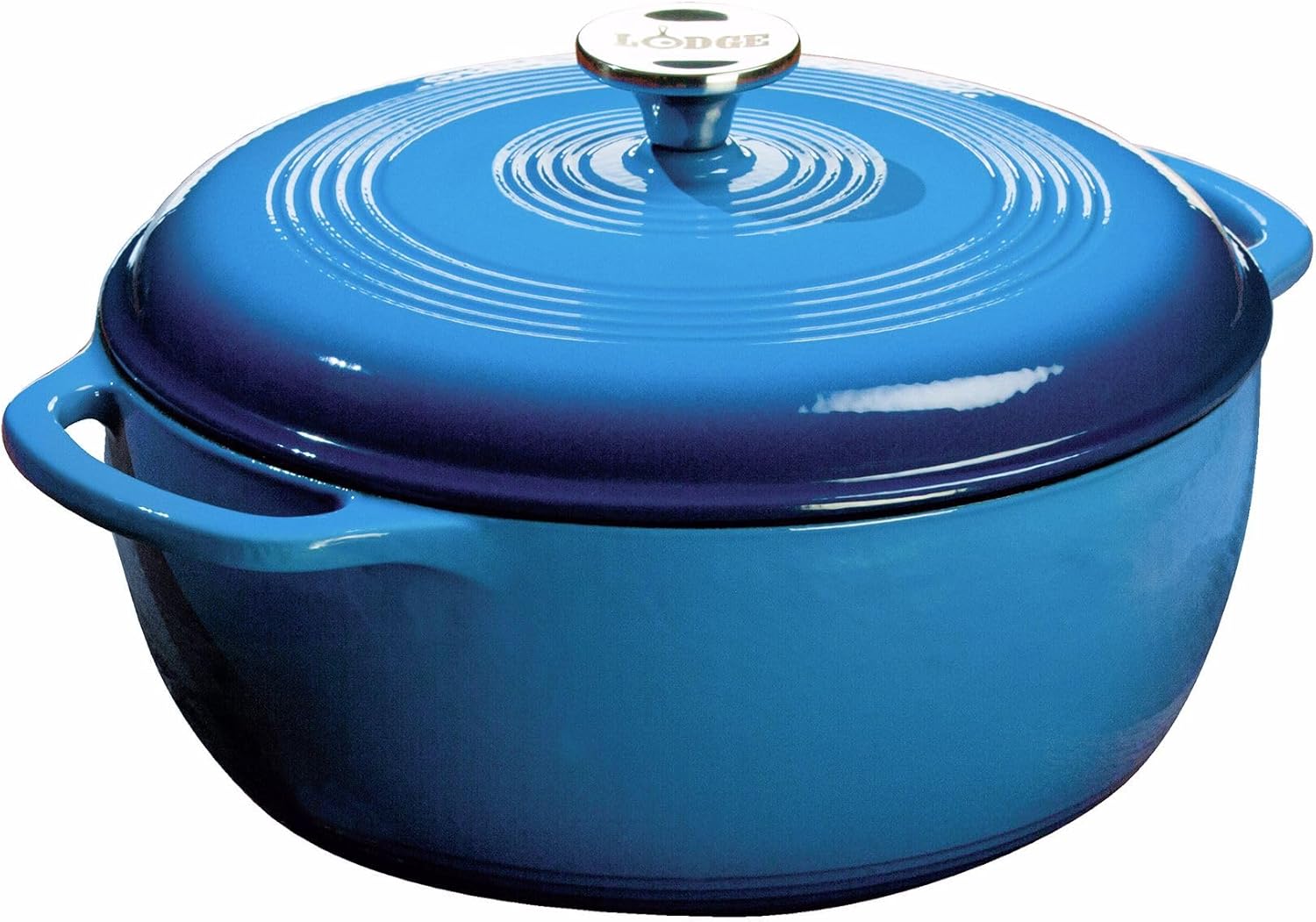
Ceramic coated cast iron cookware merges the robust heat retention of traditional cast iron with a smooth, maintenance-friendly enamel finish. This practical combination allows home cooks to sear meats, braise vegetables, and bake bread without the traditional seasoning steps usually required by bare iron surfaces.
Choosing the right set or single piece depends closely on your daily cooking style, available storage space, and typical meal sizes. Whether you need a compact frying pan for quick breakfasts or a comprehensive multi-piece set for family dinners, exploring specific dimensions and design traits helps match the cookware directly to your kitchen stovetop and oven setup.
As an Amazon Associate, StacyLaughs earns from qualifying purchases.
Buying guide
Evaluating Capacity and Piece Count
When selecting ceramic coated cast iron cookware, consider whether you need a single specialized pan or a complete multi-piece set. Individual fry pans and braisers work well for targeted tasks like searing meats or baking small casseroles. Complete sets offer multiple sizes, from small saucepans to large Dutch ovens, covering varied daily cooking requirements.
Matching the capacity to your household size prevents storage clutter and ensures efficient cooking. Smaller pots handle single-portion sauces and side dishes effectively, while larger 5-quart and 6-quart vessels accommodate family-sized stews, roasts, and artisan bread loaves without overcrowding ingredients during preparation.
Stovetop and Oven Compatibility
Modern enameled cast iron cookware is engineered to work across a wide array of kitchen heat sources. Most options support gas, electric, ceramic, and induction stovetops, allowing seamless transitions if you upgrade your kitchen appliances over time. Always check the specific base compatibility to ensure stable contact.
In addition to stovetop use, many pieces offer oven-safe performance for baking bread, roasting vegetables, or finishing casseroles. Temperature thresholds vary by manufacturer specifications, so verifying maximum oven limits ensures safe handling during high-heat baking and broiling routines without damaging handles or enamel finishes.
Surface Finish and Maintenance
The primary advantage of ceramic and porcelain enamel coatings is that they eliminate traditional seasoning requirements. The smooth glazed interior surface helps reduce food sticking and prevents the pan from absorbing food odors or imparting metallic flavors into delicate ingredients like sauces and eggs.
Maintenance requirements differ between models. Some pieces allow for dishwasher-safe cleaning, while others recommend gentle hand washing with warm soapy water and soft sponges. Using wooden, silicone, or plastic utensils helps protect the smooth enamel surface from scratching and chipping over extended periods of regular use.
Weight and Handling Comfort
Cast iron core construction provides exceptional heat retention and even distribution across both the bottom and sidewalls. However, this heavy-duty material adds significant weight to pots and pans, which affects lifting and maneuvering when the cookware is fully loaded with heavy liquids and food.
Evaluating handle design is essential for safe transport from stove to oven and table. Look for wide handles, dual assist grips, or secure side loops that provide a firm hold, especially when wearing thick oven mitts or handling heavy, hot Dutch ovens and braisers.
Lid Design and Moisture Retention
Lid construction plays a vital role in recipes that require prolonged simmering, braising, or baking. Precision-fitting lids help trap steam, moisture, and flavor inside the pot, keeping meats tender and stews rich without requiring constant monitoring or frequent liquid replenishment during long cooking cycles.
Certain specialized lids feature self-basting spikes or moisture-locking designs that circulate condensation back onto the food. Evaluating how a lid fits the rim of the pot helps determine its effectiveness for slow-cooking techniques and artisan bread baking.
Storage and Kitchen Integration
Enameled cast iron pieces often feature colorful exterior finishes, making them visually appealing enough to transition directly from the kitchen stove to the dining room table as serving dishes. This aesthetic flexibility helps reduce extra dishware usage during family dinners and gatherings.
Because these items are heavy and bulky, evaluating your kitchen cabinet or drawer space is crucial before purchasing multi-piece sets. Ensuring you have stable shelving or designated storage areas prevents clutter and protects the durable enamel finishes from accidental chipping during daily kitchen workflows.
Frequently asked questions
Does ceramic coated cast iron require traditional seasoning?
No traditional seasoning is required for ceramic or porcelain enameled cast iron cookware. The smooth glazed interior coating creates a protective barrier that prevents rust and keeps food from sticking without needing oil seasoning steps. You can start cooking immediately after a simple initial wash. This smooth surface also prevents the pan from absorbing food odors or transferring metallic tastes to your meals, making maintenance much simpler than managing bare cast iron skillets.
Can this cookware be used on induction stovetops?
Yes, enameled cast iron cookware features a heavy iron core that makes it fully compatible with induction stovetops, as well as traditional gas, electric, and ceramic glass cooktops. The magnetic properties of the cast iron base interact efficiently with induction burners to deliver steady heat. Always place the cookware gently onto the glass or induction surface to avoid scratching the cooktop glass, and match the burner size to the base diameter of your pot.
Is it safe to transfer these pots and pans into the oven?
Many enameled cast iron pots, braisers, skillet pans, and Dutch ovens are oven safe for baking, roasting, braising, and broiling. However, maximum temperature limits vary depending on the specific product design and handle materials. Always consult the manufacturer specifications before placing cookware into high-heat ovens. Using secure oven mitts is essential because the heavy cast iron body and metal handles retain intense heat during and after baking.
How should you clean enameled cast iron cookware?
Cleaning methods depend on the specific manufacturer guidelines, ranging from hand washing with warm soapy water and a soft sponge to dishwasher-safe maintenance. For stubborn food residue, soaking the pot in warm water and using baking soda or mild soap helps lift stuck-on particles safely. Avoid using abrasive metal scouring pads, steel wool, or harsh chemical cleaners, as these harsh tools can scratch, crack, or dull the smooth ceramic enamel finish over time.
Will acidic ingredients react with the enamel surface?
The pure, non-reactive enamel coating prevents acidic ingredients like tomatoes, wine, citrus, and vinegar from reacting with the underlying metal. Unlike bare cast iron, which can leach metallic flavors or erode when exposed to acids during long simmering times, enameled surfaces remain completely inert. This protective glaze preserves the natural taste of your food and allows you to prepare rich tomato sauces, fruit reductions, and wine-based stews with complete confidence.