Appliances · Buying Guide
Best Ceramic Coated Non Stick Cookware Sets for Everyday Kitchens
Choosing the right ceramic coated non stick cookware involves matching surface materials, heat limits, and handle designs to your daily cooking routine. Modern kitchens benefit from versatile options that provide smooth food release without traditional chemical coatings. Whether you are searing proteins, simmering sauces, or boiling large batches of pasta, understanding how different core metals and exterior finishes perform helps you find a reliable setup.
The market features diverse configurations ranging from compact single skillets to expansive multi-piece sets containing specialized pans and utensils. Reviewing specific temperature tolerances, stovetop compatibility, and cleaning guidelines ensures your chosen pots and pans align seamlessly with your culinary habits. Careful evaluation of physical construction prevents mismatched expectations regarding weight, storage requirements, and everyday maintenance.
As an Amazon Associate, StacyLaughs earns from qualifying purchases.
Buying guide
Core Construction Materials
The foundation of ceramic coated non stick cookware heavily influences thermal performance and structural durability over years of regular use. Manufacturers typically pair smooth ceramic surfaces with heavy-gauge aluminum or multi-ply stainless steel bases. Aluminum cores heat quickly and distribute warmth evenly, making them highly responsive to temperature adjustments on standard gas and electric stovetops without creating localized temperature extremes.
Stainless steel cores add significant structural rigidity and enable full magnetic induction compatibility for modern kitchens. Evaluating your primary heat source and typical cooking style helps determine which core material matches your daily culinary requirements and cabinet storage capabilities. Choosing the right base metal prevents warping and ensures consistent results.
Temperature and Oven Limits
Understanding maximum temperature thresholds prevents accidental damage to delicate ceramic coatings and associated components like handles or lids. Many advanced sets support high-heat oven finishing, tolerating pan temperatures up to five hundred or six hundred degrees Fahrenheit for searing and roasting. However, accompanying glass lids frequently feature significantly lower heat limits during extended baking sessions.
Checking these detailed specifications before baking or broiling protects your kitchen investment over time. Always verify whether the entire assembly or just the metal pan body can transition safely from stovetop burners into hot oven cavities without warping or degrading handle materials, ensuring reliable performance across different recipes.
Handle Design and Ergonomics
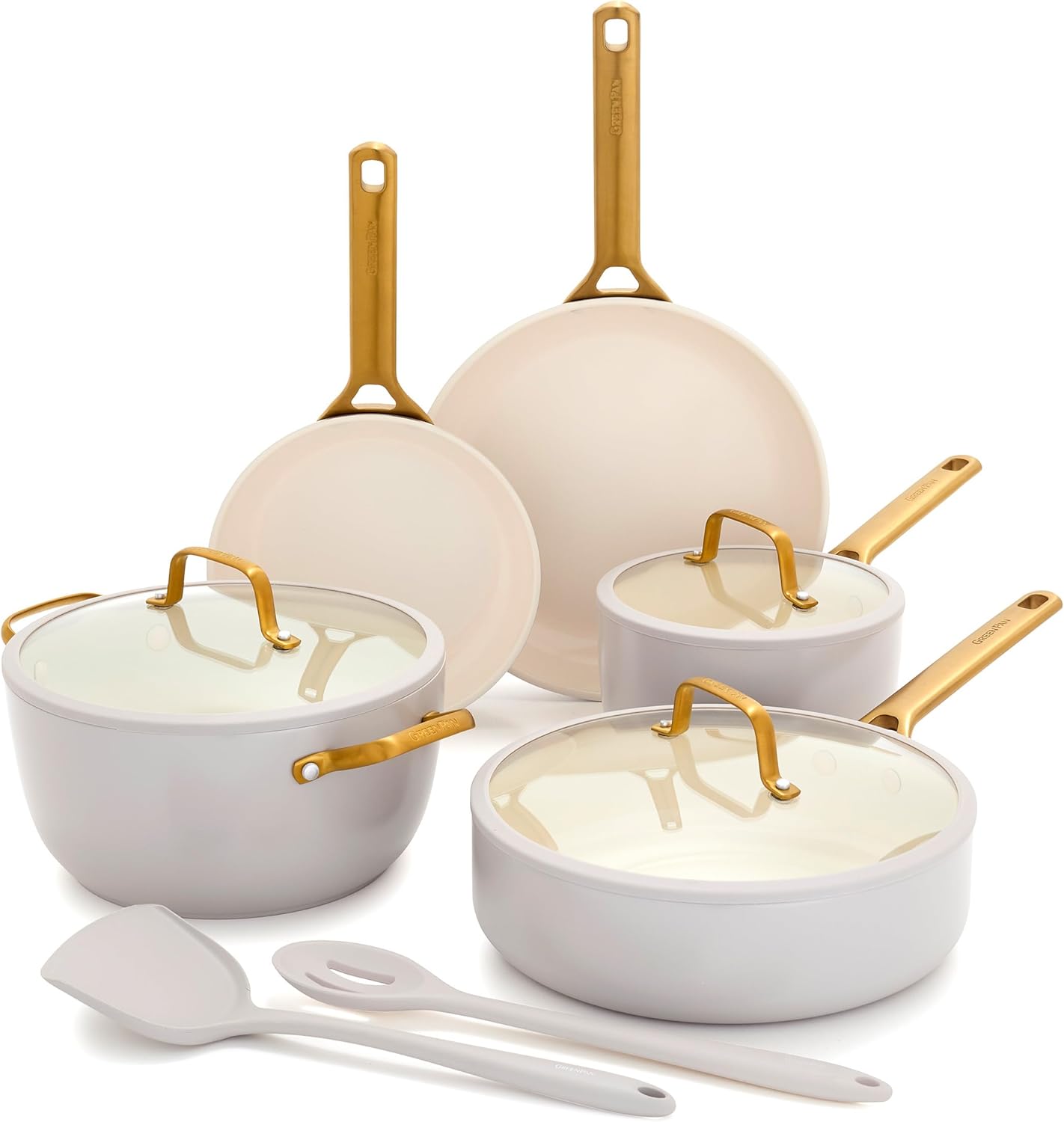
Handle construction dictates comfort, safety, and maneuverability when lifting heavy pots filled with liquids or food. Options range from hollow stainless steel grips that stay cool on active stovetops to ergonomic Bakelite or riveted silicone handles designed for secure holds during stirring, flipping, and serving tasks. Weight distribution heavily depends on these connection points.
Consider how each handle attaches to the pan body and whether an angled design allows for efficient nesting in crowded kitchen cabinets. Comfortable grips reduce hand fatigue during lengthy meal preparations while keeping your hands safely distanced from hot cooking zones and heavy loads.
Cleaning and Maintenance Routines
Maintaining ceramic nonstick surfaces requires following specific manufacturer care guidelines to preserve smooth food release properties over extended periods of frequent use. While many sets claim dishwasher safety, routine hand washing with mild soap and soft sponges often extends the operational lifespan of the delicate coating against harsh automatic dishwasher detergents.
Avoiding abrasive scouring pads and sharp metal utensils prevents unwanted surface scratching and premature wear during cleanup. Gentle cleaning habits ensure consistent nonstick performance across all your daily cooking routines, keeping your pots and pans looking pristine and functioning smoothly for years of dependable family meal preparation.
Set Composition and Piece Counts
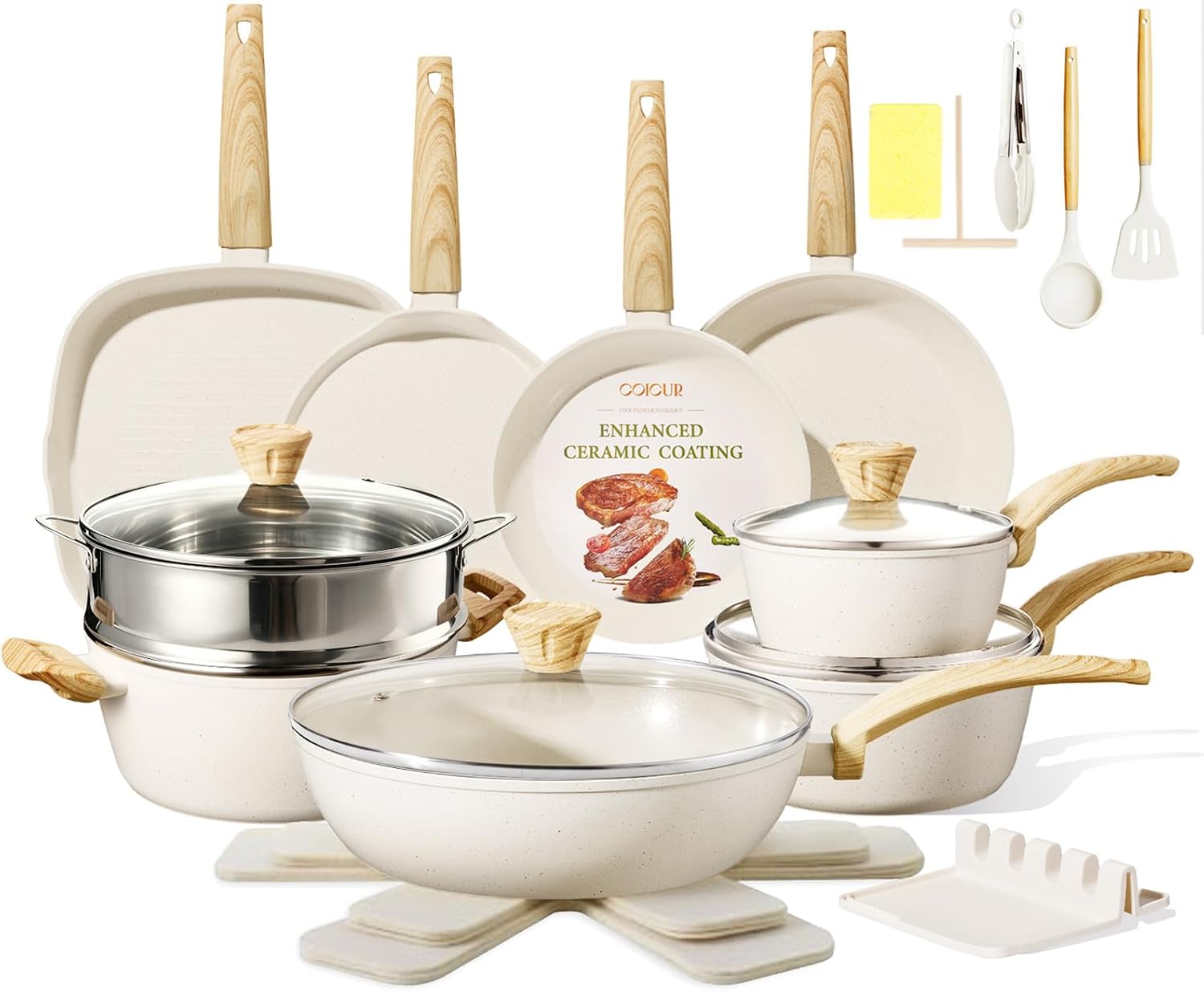
Cookware sets vary dramatically in size, offering anywhere from compact starter collections to massive twenty-six-piece assortments containing specialized vessels. Balance your current storage capacity against future cooking goals. Assessing your typical meal sizes and regular cooking habits helps determine whether a smaller set of fundamental frying pans and saucepans suffices or if you genuinely require specialty items like grill pans.
Larger collections provide incredible culinary versatility but demand significantly more cabinet storage space and careful daily organization. Selecting the right piece count ensures every included item actually serves a practical purpose in your kitchen without cluttering valuable storage areas or sitting unused for months on end.
Stovetop Compatibility Factors
Ensuring your new cookware matches your kitchen range is a critical step before making a final purchasing decision for your home. While traditional aluminum ceramic pans perform exceptionally well on gas and electric coil cooktops, magnetic induction ranges require specific steel base plates or bonded magnetic layers to generate heat efficiently across the entire base.
Checking the bottom specifications thoroughly prevents compatibility issues that render a newly purchased pan entirely unusable on your specific heat source. Always confirm compatibility before committing to a specific set configuration to avoid frustrating returns or operational mismatches in your kitchen setup over time and daily use.
Frequently asked questions
Can I use metal utensils with ceramic coated non stick cookware?
Most manufacturers explicitly advise against using metal utensils on ceramic nonstick surfaces to prevent scratching and premature wear. Instead, you should rely on wooden, silicone, or plastic tools that protect the delicate coating. While certain advanced ceramic formulations claim enhanced scratch resistance, using soft utensils remains a reliable practice for maintaining smooth food release properties over years of regular cooking. Always consult specific manufacturer guidelines for your chosen cookware set before introducing any metal tools into your kitchen routine.
Are ceramic nonstick pots and pans safe for dishwasher cleaning?
Many ceramic cookware sets claim dishwasher safety, but routine hand washing is frequently recommended to maximize the lifespan of the nonstick coating. Automatic dishwashers use harsh detergents and high water pressures that can degrade delicate ceramic surfaces over time. Washing your pans by hand using a soft sponge, warm water, and mild dish soap helps protect the exterior finish and ensures consistent food release performance. Check the exact manufacturer instructions for your specific product before running it through an automatic dishwasher.
Do ceramic coated pans work on induction stovetops?
Compatibility with induction cooktops depends entirely on the construction of the pan's base. Pans featuring solid aluminum bodies without magnetic steel plates will not function on induction ranges. However, many modern ceramic sets incorporate thick stainless steel bottom plates or bonded multi-ply stainless layers specifically designed for magnetic cooktops. You must review the specifications for each individual cookware set to confirm whether it supports induction heating before completing your purchase.
Why is oil or butter recommended even with nonstick pans?
Although ceramic nonstick surfaces provide exceptional food release, applying a small amount of oil or butter enhances browning and helps protect the coating from localized overheating. Using a light layer of cooking fat prevents food particles from sticking during high-heat searing and improves overall flavor development. Manufacturers often recommend using less oil compared to traditional stainless steel cookware, but a minimal amount ensures optimal cooking performance and safeguards the nonstick lifespan against dry heating damage.
How do I prevent food from sticking to my ceramic cookware?
Preventing food from sticking involves maintaining proper temperature control and avoiding excessive heat levels that can damage the coating. Always preheat your pan on low to medium heat before adding cooking oils or food ingredients. High heat can burn cooking fats onto the ceramic surface, creating a microscopic residue layer that diminishes nonstick release over time. Allowing pans to cool gradually before washing also prevents thermal shock and preserves structural integrity.