Appliances · Buying Guide
Best Ceramic Non Stick Wok Options for Everyday Stir-Frying

Selecting a ceramic non stick wok involves balancing material composition, stovetop compatibility, and physical capacity to match your daily cooking habits. Modern kitchen cookware utilizes specialized coatings designed to release food easily while minimizing excess oil usage. Whether you cook for a small household or prepare large batches for gatherings, understanding the core physical dimensions and thermal limits helps ensure the cookware performs reliably during routine meals.
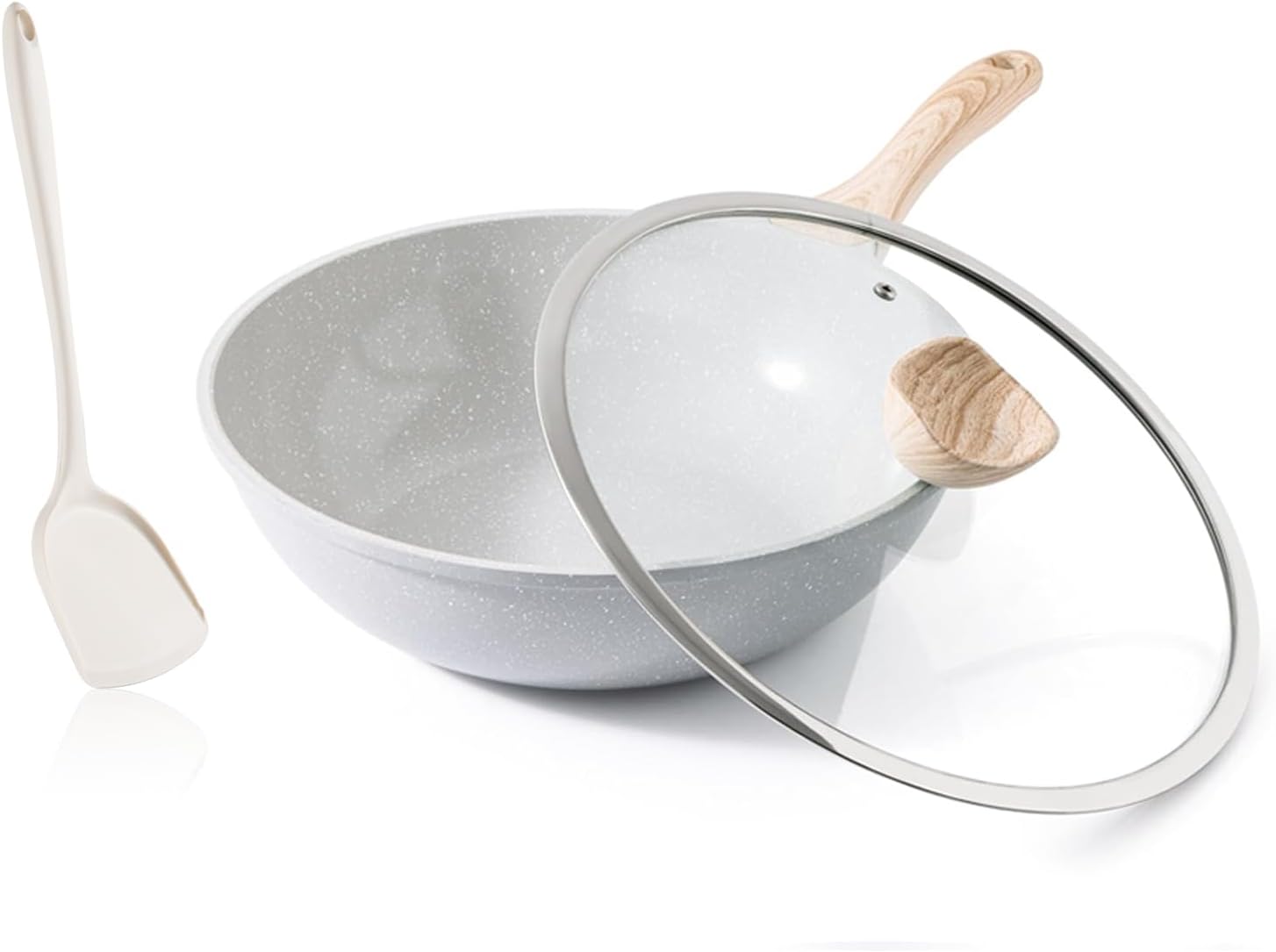
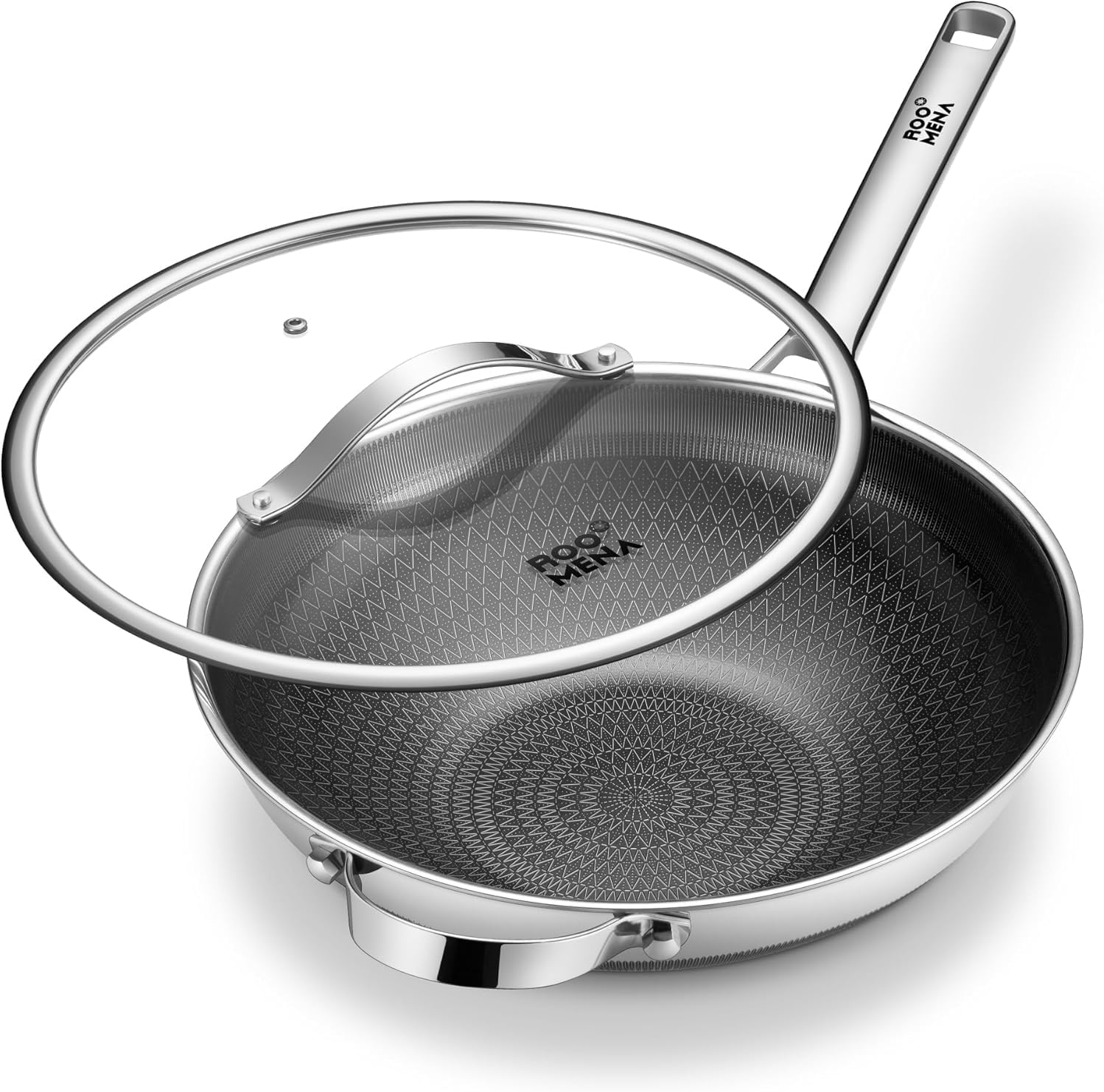
Different models feature distinct handle designs, lid inclusions, and heat distribution technologies tailored to specific cooking techniques like searing, boiling, or stir-frying. Reviewing the structural traits of aluminum, stainless steel, and hybrid variants allows you to choose a configuration that aligns with your preferred cleanup routine and stove type. This overview examines five specific woks based strictly on their documented manufacturer attributes and physical specifications.
As an Amazon Associate, StacyLaughs earns from qualifying purchases.
Buying guide
Material Construction Choices
Wok bodies are typically manufactured from aluminum, stainless steel, or hybrid combinations that integrate ceramic layers. Aluminum options provide rapid thermal response and lightweight handling, making them comfortable for continuous stirring motions during quick meals.
Stainless steel and tri-ply configurations offer increased structural rigidity and high temperature tolerance. Evaluating your preference for lightweight maneuverability versus heavy-duty durability helps determine which material best supports your daily kitchen routines.
Stovetop Compatibility Standards
Modern kitchen cooktops vary widely, requiring cookware bases engineered for specific thermal sources like gas, electric coil, or smooth glass induction surfaces. Magnetic stainless steel bases enable proper induction heating functionality.
Checking your specific stove type against the manufacturer compatibility list ensures efficient heat transfer. Selecting a versatile base prevents energy waste and guarantees stable placement across different burners in your home.
Capacity and Sizing Options
Wok capacities range from compact four-quart models up to large seven-liter configurations designed for massive meal batches. Smaller diameters suit quick single-portion meals or compact living spaces easily.
Larger capacities accommodate families and entertaining but require more storage room and burner clearance. Matching the physical dimensions to your typical meal batch size prevents overcrowding ingredients during cooking.
Handle and Lid Inclusions
Ergonomic handles crafted from materials like bakelite provide comfortable grips while remaining cool under normal stovetop conditions. Helper handles on larger woks offer extra balance when transporting heavy loads.
Glass lids allow you to monitor food progress without releasing heat or moisture. Reviewing whether a lid and helper handle are included ensures you have the necessary accessories for braising and steaming.
Cleaning and Maintenance Needs
Maintenance routines differ based on coating types and dishwasher safety ratings. Some ceramic woks require gentle hand washing with warm soapy water to preserve the non-stick surface over extended periods of time.
Other stainless steel hybrid models tolerate automated dishwasher cycles for faster post-meal cleanup. Aligning your cleaning preferences with the manufacturer guidelines keeps the cookware functioning smoothly.
Heat Distribution Performance
Efficient thermal distribution eliminates hot spots, ensuring food cooks evenly whether simmering sauces or searing meats at high temperatures. Die-cast aluminum and impact-bonded bases enhance heat flow across the cooking surface.
Specialized bottom designs can concentrate heat zones for authentic searing results. Understanding how a pan distributes thermal energy helps you achieve desired textures and flavors in homemade dishes.
Frequently asked questions
Can ceramic non stick woks be used on induction cooktops?
Many ceramic woks feature high magnetic conductive stainless steel bases specifically engineered to function on induction stovetops, gas burners, and electric coils. You should verify the manufacturer specifications for each individual model to confirm exact stove compatibility before making a purchase decision for your kitchen setup.
Are these woks safe for use with metal utensils?
Certain hybrid stainless steel woks with diamond-reinforced or laser-etched surfaces are built to withstand metal utensils without scratching. However, standard ceramic-coated aluminum woks generally perform best when paired with wooden or silicone tools to protect the non-stick coating from premature wear.
Do ceramic wok pans require seasoning before cooking?
Ceramic non-stick woks typically feature factory-applied smooth coatings designed for immediate use with minimal oil, eliminating the traditional seasoning steps required for raw cast iron. Following the manufacturer cleaning and initial preparation instructions helps maintain the non-stick properties over time.
What is the difference between aluminum and stainless steel wok bodies?
Aluminum wok bodies offer rapid, even heat distribution and a lightweight build for easy one-handed stirring. Stainless steel and tri-ply hybrid models provide greater structural durability, higher oven temperature limits, and enhanced resistance against warping or heavy impact.
How should I clean my ceramic non stick wok after cooking?
Cleaning methods depend on the specific product specifications, as some models require gentle hand washing with warm soapy water and soft sponges. Other stainless steel hybrid variants explicitly support dishwasher cleaning cycles for convenient maintenance after preparing complex meals.