Appliances · Buying Guide
Best Cheap Cast Iron Cookware: Durable Pots and Pans for Every Kitchen
Finding durable kitchen gear doesn't require a massive budget, especially when you look toward traditional iron options. Cast iron offers exceptional heat retention and versatility across various cooking surfaces, from standard stovetops to open campfires. These hardworking pots and pans support multiple cooking styles, including searing, frying, baking, and slow braising, without demanding complex maintenance routines.
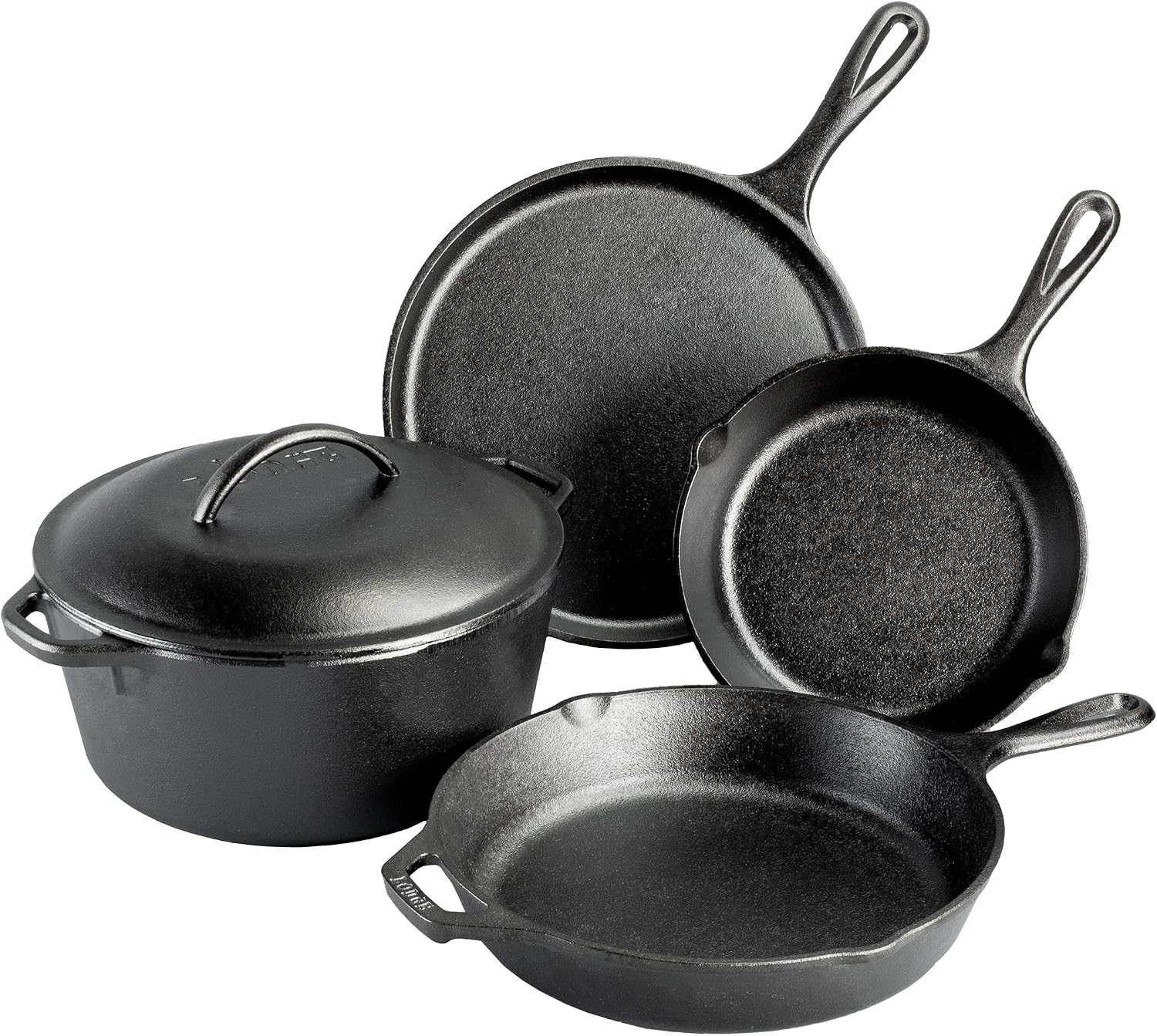
Whether you need a multi-piece bundle for a complete kitchen setup or a single heavy-duty skillet for daily meals, options range from traditionally seasoned surfaces to colorful enameled finishes. Understanding how each configuration matches your daily cooking habits ensures you select reliable cookware that delivers consistent results over years of regular use.
As an Amazon Associate, StacyLaughs earns from qualifying purchases.
Buying guide
Choosing Between Raw and Enameled Iron
Traditional raw iron cookware requires regular oil seasoning to maintain a reliable natural non-stick surface. This protective layer builds up naturally over time through repeated cooking and heating cycles. Dedicated home cooks who enjoy traditional maintenance routines often find raw iron exceptionally durable and rewarding for high-heat searing, frying, and outdoor campfire cooking applications.
In contrast, enameled iron features a smooth glass-like coating that completely eliminates manual seasoning steps. This glazed finish easily resists acidic ingredients like tomato sauces and cleans quickly with simple soap and warm water. However, enameled pieces demand mindful handling to prevent accidental chipping and thermal shock cracking during rapid temperature shifts.
Evaluating Capacity for Family Meals
Selecting the correct capacity depends heavily on your typical household size and common meal preparation habits. Five-quart dutch ovens provide ample space for boiling hearty soups, braising large roasts, and baking artisan bread for families of four to six people. Smaller two-quart pots handle side sauces and single portions efficiently without overcrowding your stovetop burners.
Assessing your everyday menu requirements helps prevent buying oversized pots that demand excessive cabinet storage. Matching your pan dimensions to standard recipes ensures even cooking results across the entire base. Reviewing included skillet diameters allows you to fry multiple ingredients simultaneously without overcrowding or spilling over the cooking edges.
Understanding Heat Retention and Distribution
Iron cookware excels at holding and distributing heat evenly across cooking surfaces. This dependable thermal property helps eliminate annoying hot spots that cause uneven browning in meats and baked goods. Once fully heated, heavy iron maintains a steady temperature even when you add cold ingredients directly to the pan for searing.
Preheating your cookware slowly on medium-low settings allows the dense material to absorb warmth uniformly before cooking begins. This patient approach prevents thermal stress and ensures optimal searing results for steaks and fresh vegetables. Understanding how efficient heat transfer operates lets you lower stovetop settings while maintaining consistent cooking power.
Managing Cookware Weight and Storage
The solid construction that makes iron cookware so durable also contributes to significant physical weight. Lifting heavy pots and multi-piece sets requires two hands and adequate upper body strength during daily kitchen tasks. Planning your kitchen storage around heavy items prevents physical strain and keeps your favorite pans easily accessible.
Stacking multiple heavy pans can scratch enameled finishes or damage traditional seasoning layers if done improperly. Utilizing protective pads or storing pieces individually on lower shelves protects your cookware investment. Assessing your available cabinet space before purchasing a multi-piece collection ensures safe handling and prevents frustrating kitchen clutter over time.
Maintaining Seasoned Versus Glazed Surfaces
Proper maintenance preserves the longevity and performance of your cast iron cookware. Traditionally seasoned pieces require hand washing in warm water, thorough stove drying, and a thin application of natural oil to prevent rust. Avoiding harsh dish soaps protects the developing natural non-stick patina on raw iron surfaces effectively.
Enameled cookware simplifies cleanup by resisting food residue and eliminating manual oil seasoning steps. However, glazed pots require gentle sponges and soft cleaning tools to avoid visible surface scratches. Allowing enameled pieces to cool naturally before washing prevents thermal shock cracking, ensuring your colorful kitchen investment lasts through rigorous daily use and frequent family cooking sessions.
Matching Cookware to Stovetop Types
Modern cast iron cookware adapts seamlessly to a wide variety of domestic cooking surfaces found in modern homes. Most traditional and enameled iron pots work effectively on gas, electric, ceramic, and induction stovetops. The flat bottom design of standard skillets and dutch ovens ensures stable physical contact with smooth glass cooktops for optimal heat transfer.
Outdoor cooking enthusiasts can also use raw cast iron over open campfires and backyard grill grates. Verifying your specific stovetop compatibility before purchasing ensures your new pots and pans integrate smoothly into your existing kitchen setup. Transitioning from stovetop burners directly to hot ovens expands your recipe possibilities without ever needing to change cooking vessels or dishes.
Frequently asked questions
Can I use metal utensils with pre-seasoned cast iron cookware?
Yes, you can use metal utensils with traditional pre-seasoned cast iron cookware because the durable iron surface resists scratching from metal tools. While metal spatulas and spoons might leave minor marks on the seasoning layer initially, these marks fill in naturally over time through regular cooking and oil maintenance cycles. However, if you are using enameled cast iron cookware, you should avoid metal utensils entirely to prevent scratching or chipping the smooth glass glaze.
How do I prevent rust on my traditional cast iron skillets?
Preventing rust requires drying your traditional cast iron skillets thoroughly immediately after hand washing. You should never soak raw iron in water or leave it to air dry naturally. Placing the damp skillet on a warm stovetop for a few minutes evaporates any remaining moisture completely. Once dry, apply a very thin coat of natural oil across the entire surface using a paper towel before storing it in a dry location to protect the metal.
Is enameled cast iron safe to use in the oven?
Most enameled cast iron cookware is safe for oven use up to five hundred degrees Fahrenheit, making it ideal for baking artisan bread and braising meats. However, you must always check the specific temperature limits provided by the manufacturer before placing any pot or lid inside a hot oven. Additionally, always use thick oven mitts or potholders because the heavy iron handles absorb high ambient temperatures during extended baking sessions in your kitchen.
Do I need to season enameled cast iron pots and pans?
No, you do not need to season enameled cast iron cookware because the pots feature a smooth glass-like glaze applied across the interior and exterior surfaces. This protective enamel coating creates a natural non-stick barrier that resists acidic foods and eliminates the traditional oil seasoning process entirely. You simply wash the enameled pot with warm soapy water and a soft sponge, making daily cleanup much easier than raw iron maintenance routines.
Can I use cast iron cookware on glass-top induction stoves?
Yes, cast iron cookware works exceptionally well on glass-top and induction stovetops because iron is naturally magnetic and conducts heat efficiently. However, because cast iron is heavy and has a rigid metal base, you should always lift the pots and pans when moving them rather than sliding them across the glass surface. This careful lifting prevents accidental scratches or cracks on smooth glass cooktops while you prepare your daily meals at home.