Appliances · Buying Guide
Best Chef Stainless Steel Cookware Sets for Everyday Kitchens
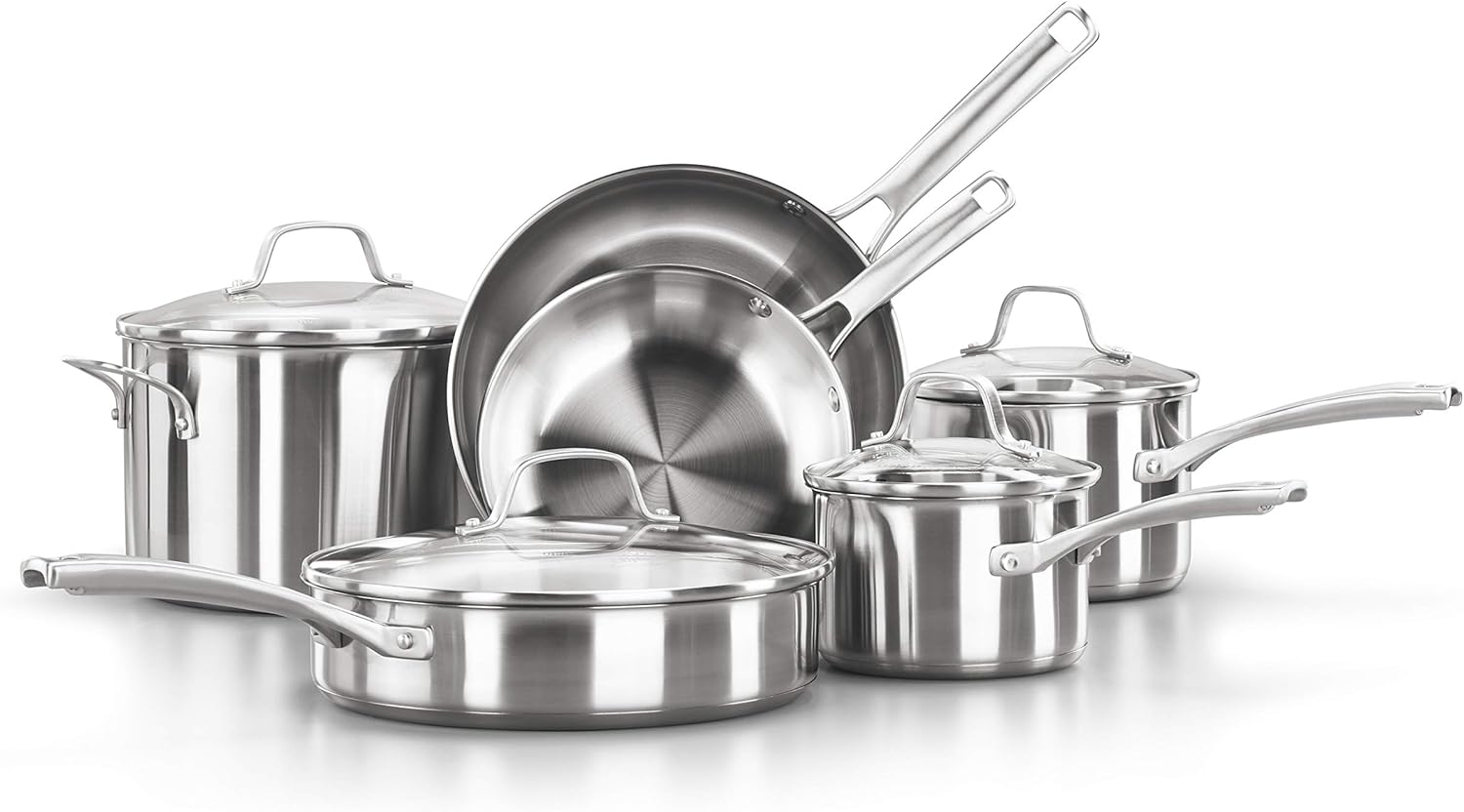
Equipping your kitchen with reliable pots and pans transforms daily meal preparation, whether you are simmering delicate sauces, boiling large batches of pasta, or searing thick cuts of meat for family dinners. Chef stainless steel cookware offers a durable foundation for home cooks who want dependable heat distribution and long-lasting surfaces that resist reacting with everyday ingredients.
Choosing the right multi-piece collection depends heavily on your specific stovetop type, available cabinet storage space, and preferred cooking methods. From comprehensive multi-ply sets featuring specialized steamer inserts to balanced collections designed for standard gas and electric cooktops, carefully evaluating core materials and handle designs helps you find a dependable setup that matches your daily kitchen routine.
As an Amazon Associate, StacyLaughs earns from qualifying purchases.
Buying guide
Assessing Construction Types and Ply Layers
Choosing chef stainless steel cookware begins with understanding how metal layers affect thermal performance. Encapsulated base pots feature an aluminum disc bonded to the bottom, offering fast heat distribution primarily on the lower surface. In contrast, fully clad tri-ply cookware extends the aluminum core up the sidewalls, eliminating cold spots and providing superior temperature control.
Evaluating these construction methods helps you match cookware to your daily cooking habits. If you mostly boil water and sear meats on flat burner zones, an encapsulated base provides reliable performance without excess weight. However, if you frequently prepare complex pan sauces, braise dishes, or use induction cooktops, investing in clad designs ensures uniform heat. Balance these thermal factors with your everyday lifting preferences.
Understanding Stovetop Compatibility and Induction Use
Modern kitchens feature diverse cooking surfaces, making stovetop compatibility a critical purchasing factor. Most stainless steel sets work seamlessly across gas, electric, and glass-ceramic cooktops. Induction cooktops, however, require a magnetic outer layer to generate heat through electromagnetic fields. Always verify that the cookware base contains magnetic stainless steel before purchasing a set for an induction range.
Transitioning between different cooktop types requires stable flat bottoms that maintain contact with burner elements. Heavy-duty aluminum-core bases resist warping under high heat, ensuring steady performance whether you use open flames or smooth glass surfaces. Checking these compatibility specifications prevents frustrating heating delays and ensures your new pots and pans operate efficiently across your current and future kitchen appliances.
Managing Oven Limits and Broiler Capabilities
Many recipes require transferring pans directly from the stovetop into a hot oven for roasting or finishing. Stainless steel bodies generally withstand high oven temperatures up to five hundred degrees, making them suitable for aggressive baking tasks. However, attached lids often feature different heat tolerances based on their materials. Tempered glass covers typically have lower maximum temperature thresholds than all-metal counterparts.
Reviewing manufacturer temperature ratings prevents accidental damage to lids and handles during high-heat cooking sessions. If you plan to use broiler settings frequently, ensure both the pan body and cover can handle intense overhead heat without cracking or degrading. Selecting appropriately rated components expands your recipe possibilities, allowing you to sear meat on the stove and finish cooking inside the oven safely.
Evaluating Handle Design and Ergonomic Comfort
Handling heavy pots filled with liquid demands secure, comfortable grips that minimize hand strain. Riveted stainless steel handles provide permanent attachment strength compared to welded or screwed alternatives. Many chef-style sets incorporate hollow or contoured handles designed to stay cool on the stovetop during standard cooking sessions.
Despite stay-cool claims on the stove, metal handles absorb heat inside ovens and require protective mitts. Additionally, larger stockpots and sauté pans often include helper handles opposite the main grip, making it easier to lift heavy loads with two hands. Inspecting handle placement and helper designs helps you choose cookware that feels balanced and safe during everyday kitchen tasks.
Navigating Lid Options and Integrated Features
Lids play a significant role in retaining moisture and heat during long simmering processes. Tempered glass covers allow you to monitor food progress without lifting the lid and losing valuable heat. Conversely, stainless steel covers offer higher oven safety limits and rugged durability against accidental drops.
Beyond basic covers, some cookware collections include specialized features such as measurement markings, pour spouts, and straining lids. Measurement lines etched inside saucepans eliminate the need for extra measuring cups during liquid prep. Straining covers and pour spouts simplify draining pasta water without needing a separate colander. Weighing these convenience features against your personal preferences helps narrow down the ideal set.
Maintenance Requirements and Cleanup Considerations
Proper maintenance preserves the appearance and longevity of stainless steel cookware. While many sets are advertised as dishwasher safe, high water pressure and harsh detergents can gradually dull mirror finishes over time. Hand washing with warm soapy water and non-abrasive sponges helps maintain the exterior shine and interior measurement markings.
Stubborn food residue or mineral discoloration can usually be removed using simple household cleaners like baking soda or lemon juice. Uncoated stainless steel surfaces do not require complex seasoning rituals like cast iron, making routine upkeep straightforward. Following manufacturer cleaning guidelines ensures your pots and pans remain attractive and fully functional throughout years of daily family meal preparation.
Frequently asked questions
Can stainless steel cookware be used on induction cooktops?
Yes, many chef stainless steel cookware collections feature magnetic outer layers or induction-ready bases that work effectively on induction ranges. Induction cooktops rely on magnetic fields to generate heat directly within the pan base, so verifying magnetic compatibility is essential before purchasing. Sets with encapsulated aluminum discs or fully clad magnetic stainless steel exteriors perform reliably on induction surfaces, allowing home cooks to enjoy fast heat transfer and precise temperature control during daily meal preparation tasks.
Is it better to hand wash stainless steel pots and pans?
While numerous stainless steel sets are rated as dishwasher safe, hand washing is frequently recommended to preserve the exterior mirror finish and laser-etched measurement markings. Dishwasher detergents and aggressive water cycles can occasionally dull polished surfaces or cause minor cosmetic wear over extended periods. Washing cookware by hand with warm soapy water and a soft sponge keeps surfaces looking bright and prevents accidental scuffing from crowded loading arrangements in standard kitchen dishwashers.
Why do stainless steel pans sometimes stick to food?
Food sticking in stainless steel cookware usually happens when pans are not heated properly before adding ingredients. Unlike chemical non-stick surfaces, stainless steel requires a brief preheating period on the burner before introducing cooking oils or food. Allowing the pan to reach the correct temperature creates a natural thermal release effect that prevents meats and vegetables from binding to the metal surface, ensuring easier flipping and straightforward cleanup afterward.
What is the difference between encapsulated bases and fully clad cookware?
Encapsulated base cookware features an aluminum disc bonded to the bottom of the pot, delivering quick heat distribution primarily across the lower surface. In contrast, fully clad or multi-ply cookware extends the aluminum core up the entire sidewall, eliminating cold spots and providing uniform heating across all interior surfaces. Clad designs offer superior temperature control for complex pan sauces and simmering tasks, whereas encapsulated base sets provide a lightweight, budget-friendly alternative for standard boiling and searing.
Are stainless steel handles safe to touch on the stovetop?
Many stainless steel cookware collections feature hollow or specially designed riveted handles engineered to stay cool during standard stovetop cooking routines. However, metal handles absorb ambient heat over extended cooking sessions or when used inside hot ovens and broilers. It is always wise to keep oven mitts nearby and test handle temperatures carefully before grabbing pots or pans that have been exposed to high burners or enclosed baking environments.