Appliances · Buying Guide
Best Classic Cast Iron Skillet Choices for Your Kitchen
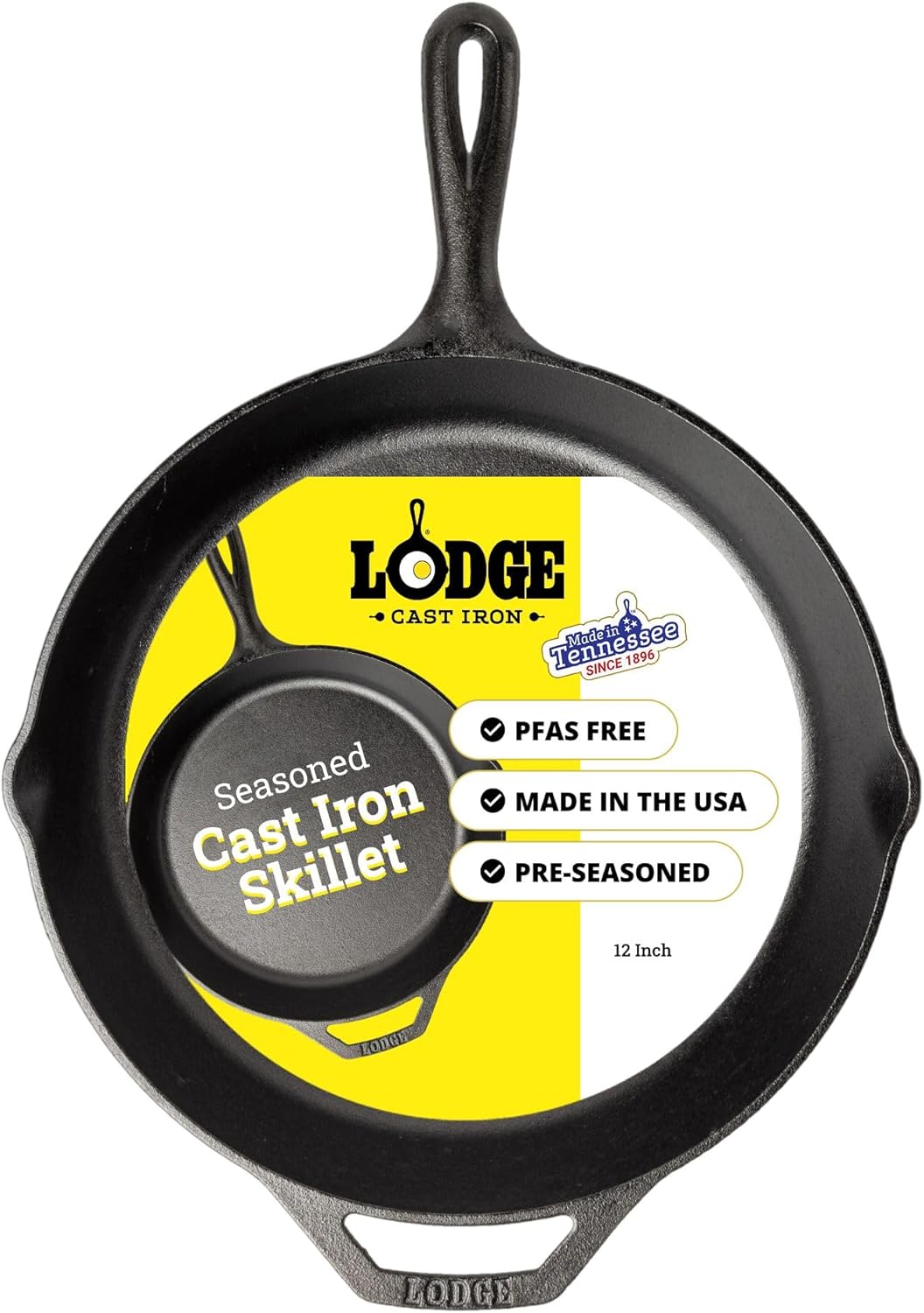
Finding a reliable cooking tool often leads home cooks to explore a classic cast iron skillet. These durable pans offer exceptional heat retention, reliable versatility, and heavy-duty construction built for daily kitchen use. Whether you are searing meats, baking cornbread, or cooking camp meals, traditional cast iron delivers steady thermal performance across multiple cooking applications.
Because available options range in size from compact 8-inch pans to large 15-inch heavy-duty models, selecting the right skillet depends heavily on your household cooking volume, lifting comfort, and stovetop compatibility. Carefully evaluating handle designs, empty weights, and surface textures helps you choose a dependable pan that fits seamlessly into your daily routine and home storage space.
As an Amazon Associate, StacyLaughs earns from qualifying purchases.
Buying guide
Choosing the Right Skillet Size
Selecting the correct skillet size depends heavily on your household cooking volume, storage space, and daily meal types. Compact 8-inch pans work exceptionally well for single-portion eggs, toasted sandwiches, or small side dishes without taking up excess room. Meanwhile, standard 10.25-inch models handle everyday multi-ingredient recipes effortlessly across various heat sources, offering a dependable middle ground for most home kitchens.
For larger family gatherings, extensive batch-prepping, or entertaining guests, expansive 12-inch or massive 15-inch options provide the necessary surface area and generous capacities. Matching your pan diameter to typical portion requirements ensures you maximize culinary utility without struggling with unnecessary physical bulk or overcrowding your stovetop burners during meal preparation.
Understanding Stovetop and Oven Compatibility
Before purchasing any cast iron cookware, verify its compatibility with your specific kitchen appliances. Many traditional skillets function seamlessly across gas, electric coil, and smooth surface induction cooktops, giving you maximum placement flexibility. However, certain heavy-duty or specialized models specify operational restrictions, such as working solely on gas burners, which requires careful pre-purchase verification to avoid kitchen limitations.
Additionally, you must carefully consider maximum temperature thresholds if you plan to transfer your pan from the stovetop directly into the oven for baking, roasting, or broiling. Most quality cast iron pans withstand high heat up to 500 degrees Fahrenheit, allowing versatile cooking techniques ranging from searing thick ribeye steaks to finishing delicious casseroles safely.
Evaluating Handle Design and Comfort
The physical design of a skillet handle directly impacts your daily comfort, safety, and control during active cooking sessions. Traditional teardrop handles offer secure gripping contours designed for straightforward maneuvering. Meanwhile, modern variations might introduce extended lengths or specialized stay-cool properties intended to minimize heat transfer during standard stovetop cooking tasks.
Because cast iron retains thermal energy extremely efficiently, handles will inevitably become hot during prolonged stovetop or oven use. You should always utilize protective oven mitts or thick hot pads when transporting pans, and carefully evaluate whether a helper handle or extended grip style provides the necessary leverage for heavy lifting.
Managing Weight and Physical Effort
Cast iron is universally renowned for incredible durability, but this dense material results in substantial empty weights that range from a manageable three pounds to over eleven pounds for oversized commercial-style models. Carefully assess your personal upper body strength and lifting comfort before choosing a large-capacity pan that might prove difficult to maneuver during busy cooking routines.
Heavy skillets demand careful two-handed maneuvering, especially when filled with dense food ingredients or hot cooking liquids. Selecting a lighter, compact model prevents unnecessary muscle strain during daily use and makes routine sink washing tasks much easier to manage without risking accidental drops in your home kitchen workspace.
Surface Finish and Non-Stick Qualities
The internal cooking surface texture varies significantly among different cast iron skillets, directly influencing how food releases during meal preparation. Pre-seasoned pans arrive with a protective oil coating that establishes a natural non-stick barrier, which continuously improves as you cook more diverse meals over time and build up strong seasoning layers.
Premium options may feature meticulously machined smooth surfaces that minimize food sticking right out of the box. Decide whether you prefer a traditional rustic textured finish or a highly polished cooking area based on your personal culinary preferences, daily cleaning habits, and overall willingness to maintain seasoning layers over the years.
Maintenance and Care Requirements
Maintaining traditional cast iron requires strict adherence to specific manufacturer care guidelines to preserve the protective seasoning layer and prevent unwanted rust formation. Most quality skillets require hand washing exclusively, meaning you must completely forgo the convenience of automated dishwashers and harsh chemical detergents in order to protect these heavy-duty metal pans during routine cleanup.
After washing, thorough hand drying and occasional light oil applications keep the exposed iron protected properly between cooking sessions. Understanding these routine maintenance obligations ensures your classic skillet remains a functional, long-lasting investment for your household kitchen adventures over many years of dependable, heavy-duty daily cooking performance and meal preparation.
Frequently asked questions
Do classic cast iron skillets come pre-seasoned or ready to use?
Many classic cast iron skillets arrive pre-seasoned with vegetable oil or oil coatings applied at the factory, allowing you to use them right out of the box for cooking eggs, meats, and baked goods. However, pre-seasoned products do not possess a permanent synthetic non-stick function, meaning the cooking surface will naturally improve and develop better release properties with every single use and proper maintenance. You must still adhere to recommended hand-washing guidelines and occasional oil conditioning to maintain the protective seasoning layer over years of regular meal preparation.
Can I use metal utensils on a cast iron skillet?
Cast iron is an exceptionally durable, heavy-duty material that withstands metal utensils much better than traditional non-stick coated pans. While flipping meats or stirring ingredients with metal spatulas and spoons is generally acceptable on seasoned iron surfaces, you should always check specific manufacturer recommendations for your chosen skillet model. Keep in mind that heavy scraping or aggressive scratching can occasionally impact the seasoning layer, so many home cooks prefer wooden or silicone tools to protect the finish during daily cooking and baking sessions.
How should I clean my cast iron skillet after cooking?
Manufacturer care instructions for traditional cast iron skillets typically specify hand washing only, meaning you must avoid automated dishwashers entirely. Wash the pan using warm water and a brush or sponge, avoiding harsh chemical soaps if you want to preserve the seasoned coating. After washing, dry the skillet thoroughly with a towel or place it on a warm stovetop to eliminate lingering moisture. Applying a very light coat of oil while the pan is slightly warm helps protect the iron surface from rust before your next cooking session.
Are cast iron skillets safe to use inside an oven?
Most classic cast iron skillets are oven safe, frequently with rated temperature thresholds reaching up to 500 degrees Fahrenheit. This high thermal tolerance allows home cooks to seamlessly transition recipes from stovetop searing to oven baking, roasting, or broiling. You can bake cornbread, finish thick steaks, or prepare one-pan meals directly in the oven. Always verify the specific temperature limit for your exact pan model, and remember to use thick oven mitts or hot pads because the cast iron handle becomes extremely hot during heating.
Why is my cast iron skillet so heavy?
Cast iron is a dense, heavy-duty metal selected specifically for its incredible structural durability and superior heat retention properties. Because the pan is constructed entirely from thick iron, empty weights naturally range from slightly over three pounds for compact 8-inch models up to more than eleven pounds for massive 15-inch batch-cooking skillets. This substantial weight is an inherent characteristic of the material rather than a defect. Users should assess their personal lifting comfort and consider utilizing two hands when maneuvering larger pans filled with heavy food.