Appliances · Buying Guide
Best Electric Frying Pan Choices For Everyday Countertop Cooking
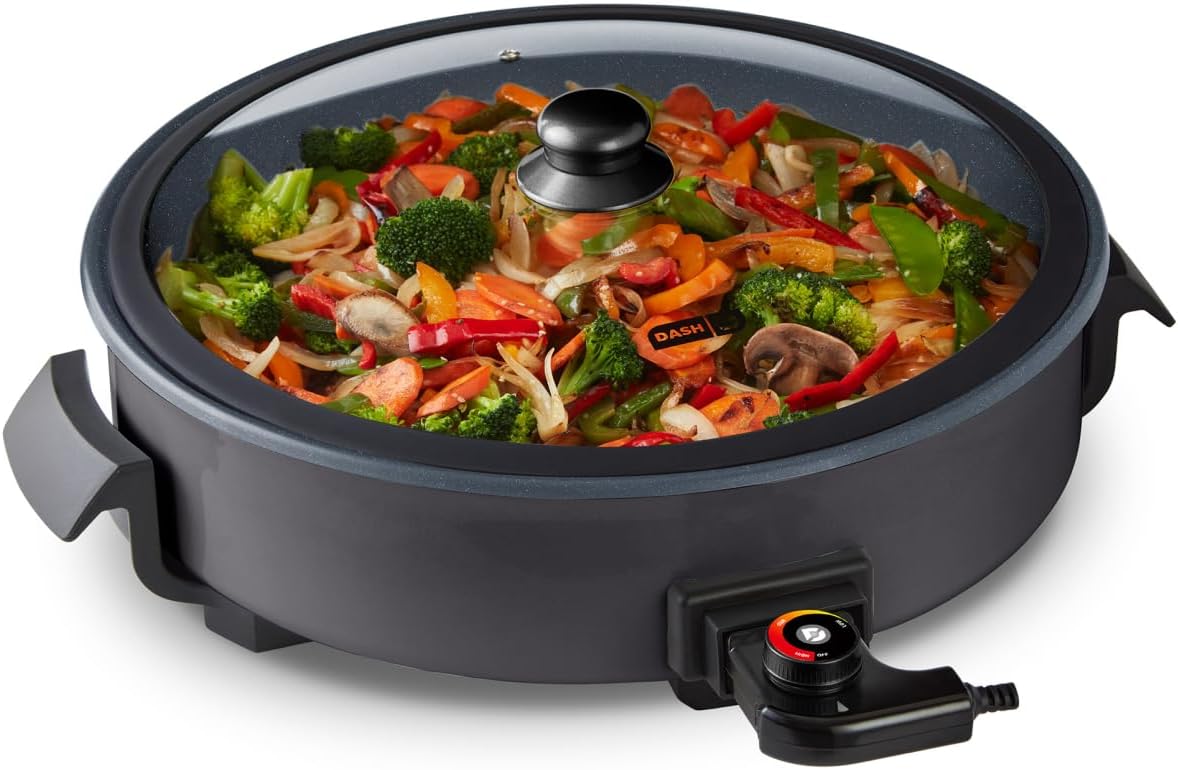
Electric frying pans offer versatile countertop cooking surfaces that handle everything from quick morning breakfasts to large family dinners with notable ease. These modern appliances combine built-in heating elements with precise adjustable temperature controls, letting you fry, simmer, sauté, and sear without tying up a traditional stovetop burner during busy meal preparations throughout the week.
Choosing the right model depends heavily on your available counter space, typical meal sizes, and desired temperature ranges. Compact units suit small apartments, dorm rooms, and single portions, while extra-large capacities feed crowds effortlessly. Examining specific dimensions, wattages, and surface coatings helps match an appliance directly to your daily cooking routine and storage layout.
As an Amazon Associate, StacyLaughs earns from qualifying purchases.
Buying guide
Cooking Surface Capacity and Dimensions
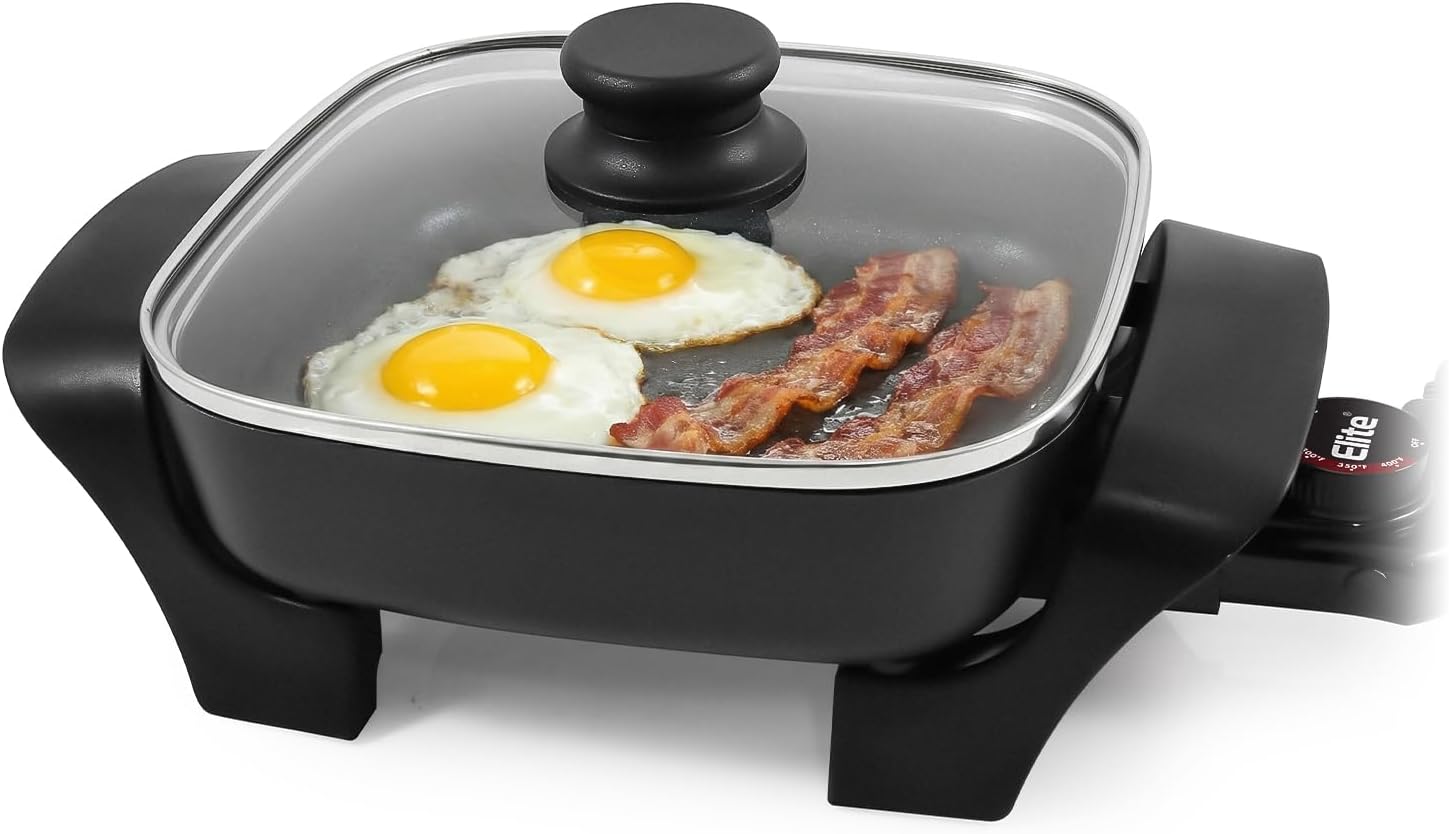
Selecting the correct cooking surface capacity depends heavily on your household size and daily meal requirements. Compact models featuring eight-inch square configurations suit single portions and tight kitchen spaces. Larger fourteen to sixteen-inch options accommodate family dinners and gathering crowds easily. Measuring your available counter space beforehand prevents storage conflicts and ensures the appliance fits comfortably during operation without crowding other kitchen tools.
Depth also plays a vital role when choosing dimensions. Skillets with deeper sides effectively contain splatters during aggressive frying while supporting one-pot pastas, braised meats, and bulky stews. Shallow pans work well for quick breakfasts, pancakes, and eggs but may struggle with high-volume liquids. Matching depth and width to your favorite recipes guarantees better cooking results.
Temperature Control Precision
Precise heat regulation is essential for mastering diverse recipes ranging from gentle simmering to high-heat searing. Look for adjustable thermostats that feature clear numerical ranges, typically spanning from two hundred to four hundred degrees Fahrenheit or higher. Removable temperature probes offer added convenience, allowing you to dial in exact settings and maintain consistent warmth throughout the entire cooking process without manual guesswork.
Different dishes demand specific thermal environments. Lower settings prevent delicate sauces from burning, while higher ranges produce golden crusts on meats. Units equipped with clear indicator lights confirm when the selected temperature is actively held, taking the uncertainty out of countertop frying, sautéing, and baking tasks.
Wattage and Power Output
Power output directly influences how quickly your electric skillet heats up and how steadily it maintains high temperatures under heavy loads. Models typically range from six hundred watts for compact portable units up to fifteen hundred watts for extra-large family versions. Higher wattage ratings support rapid preheating and faster recovery times when adding cold ingredients to a hot pan.
Evaluating your electrical setup is equally important when choosing a high-wattage appliance. Standard kitchen outlets handle most modern skillets easily, but drawing maximum power from extra-large models requires careful circuit management if other heavy kitchen appliances run simultaneously. Matching wattage to your cooking pace ensures efficient meal preparation every day.
Non-Stick Coatings and Materials
Surface materials dictate both cooking performance and cleanup simplicity. Ceramic non-stick coatings and multi-layer non-stick systems bond smoothly to heavy cast aluminum bodies, preventing food from sticking during everyday frying and searing tasks. These specialized coatings allow effortless food release without requiring excessive cooking oils, making post-cooking cleanup significantly faster and less demanding for busy home cooks.
Material durability also determines long-term reliability. Thick cast aluminum construction resists warping and handles high thermal ranges without degrading under frequent use. Choosing scratch-resistant surfaces preserves the pan over years of regular operation, provided you follow manufacturer recommendations regarding compatible utensils such as wood or silicone tools rather than harsh metal implements.
Lid Design and Heat Retention
Included lids transform a standard frying pan into a versatile multi-cooking appliance capable of steaming, braising, and simmering. Tempered glass lids trap heat, moisture, and flavor efficiently while allowing you to monitor cooking progress visually without lifting the cover and losing valuable thermal energy. Vented designs release excess steam safely, preventing pressure buildup during long simmering sessions.
Secure lid construction also supports cleaner countertop cooking. Well-fitted covers keep oil splatters contained inside the basin, reducing the mess on surrounding kitchen surfaces. Examining how the lid rests and seals against the rim ensures better heat retention and more predictable cooking outcomes for stews and one-pot meals throughout the week.
Cleaning and Maintenance Convenience
Maintenance convenience directly impacts how often you will want to use your electric skillet. Models featuring removable temperature control probes allow the main body and tempered glass lid to be fully immersed in sinks or loaded directly into dishwashers for effortless sanitation after dinner. Checking manufacturer cleaning instructions ensures you preserve the electrical components while streamlining post-meal cleanup routines.
Practical design features like ergonomic cool-touch handles and rust-resistant bodies further enhance everyday usability. Avoiding abrasive scrubbers protects delicate non-stick surfaces from premature wear, ensuring your appliance remains functional and attractive over time. Prioritizing easy-to-clean construction saves valuable time after every meal preparation session in the kitchen.
Frequently asked questions
Can I put an electric skillet in the dishwasher?
Many modern electric skillets feature dishwasher-safe components, provided you completely detach the removable temperature control probe beforehand. Once the electrical probe is disconnected, the skillet base and tempered glass lid can typically be placed into the dishwasher for convenient cleaning. However, always consult the specific manufacturer guidelines for your exact model to verify whether dishwasher cycles are recommended, as hand washing with non-abrasive sponges is sometimes advised to prolong the lifespan of specialized non-stick ceramic coatings.
How do I prevent food from sticking to my electric frying pan?
Preventing food from sticking relies heavily on utilizing the correct cooking utensils and proper heat management. Always use wooden, silicone, or heat-resistant plastic utensils to protect the delicate non-stick coating from scratches that trap food particles. Additionally, applying a very light layer of cooking oil or butter before preheating helps create a reliable barrier. Avoid using metal spatulas or forks, and never overheat an empty pan, as excessive dry heat can degrade non-stick surfaces over time.
What can I cook in an electric frying pan?
An electric frying pan is an exceptionally versatile countertop appliance capable of handling a wide variety of cooking techniques. You can fry eggs and bacon for breakfast, grill cheese sandwiches or burgers for lunch, and prepare stir-fries, one-pot pastas, chili, or braised meats for dinner. The adjustable temperature controls also allow you to simmer sauces, bake pancakes, and steam vegetables, making it a functional alternative when traditional stovetop burners are fully occupied during large meals.
Why won't my electric skillet heat up properly?
If your electric skillet fails to heat up correctly, the issue is often related to the connection between the temperature control probe and the appliance inlet. Ensure the probe is pushed in firmly and makes complete, secure contact with the built-in pins. Additionally, verify that the power cord is plugged directly into a working wall outlet rather than an overloaded power strip. If the connection is secure and the indicator light still fails, inspect the thermostat settings.
How do I store my electric skillet safely?
Storing your electric skillet safely starts with ensuring the unit has cooled down completely and the removable temperature control probe has been detached. Store the probe in a dry place away from moisture. When stacking the skillet in a kitchen cabinet, place a soft cloth or paper towel between the non-stick surface and the glass lid to prevent scratching. If space is limited, choose a compact model or remove the lid to store it vertically or separately.