Appliances · Buying Guide
Best Copper Bottom Cookware Set Options for Precision Kitchen Cooking
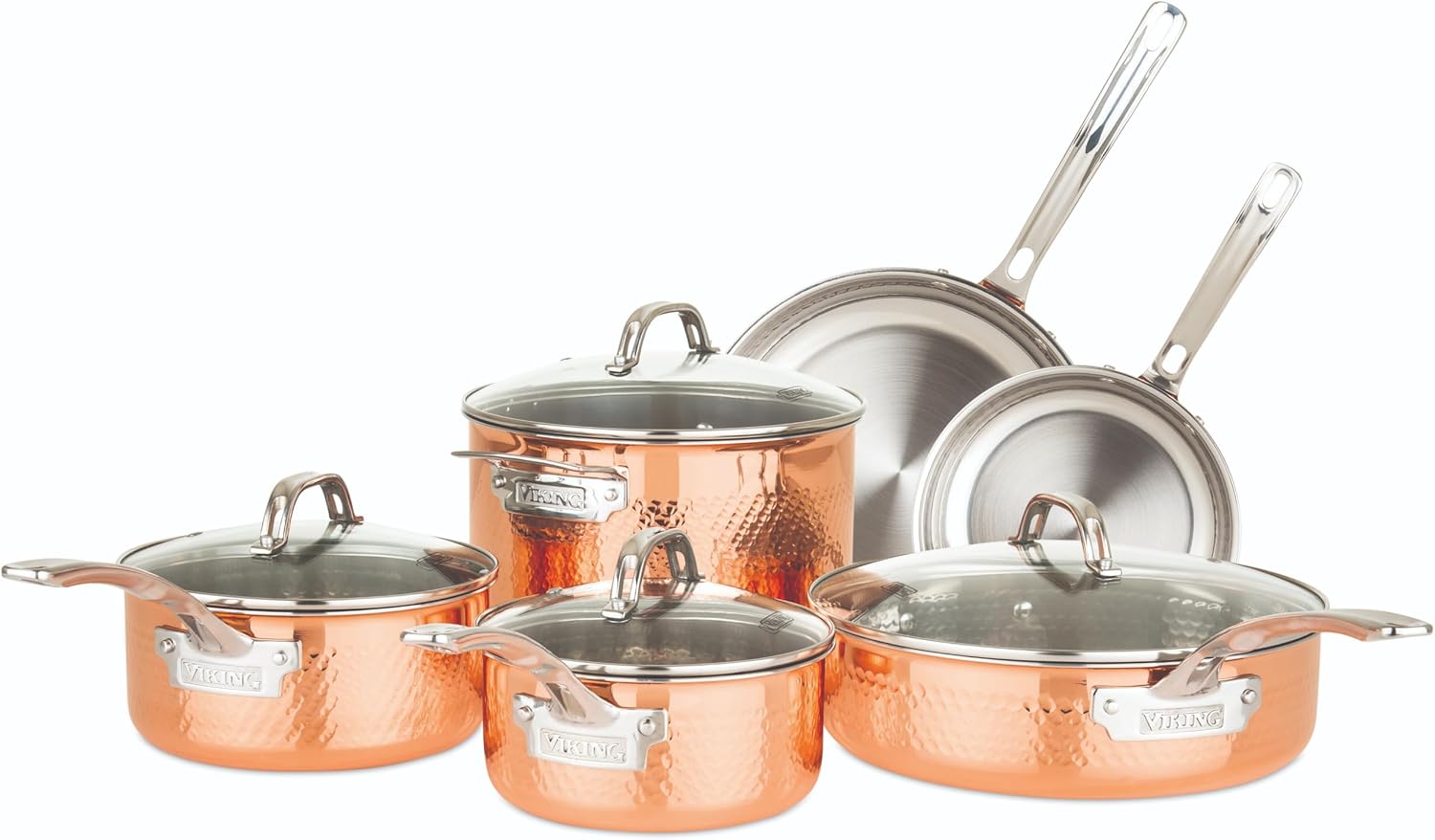
Finding the right cookware set involves carefully balancing thermal conductivity, durability, and daily maintenance needs. Copper-bottom and copper-clad pots and pans offer rapid, even heat distribution across various stovetops, helping home cooks manage delicate simmering tasks and high-temperature searing without developing stubborn hot spots that ruin food.
Exploring multi-clad constructions, lid designs, and oven safety ratings helps align your choice with specific kitchen routines. Whether you prefer hand-washing heirloom pieces or relying on dishwasher-safe stainless steel options, understanding these material layers ensures confident meal preparation and long-lasting performance for everyday family dinners or holiday gatherings, keeping your kitchen fully equipped for any culinary challenge.
As an Amazon Associate, StacyLaughs earns from qualifying purchases.
Buying guide
Evaluating Thermal Construction Layers
When shopping for a copper cookware collection, understanding the underlying metal layers is essential for achieving reliable temperature control. Fully clad tri-ply and multi-ply designs extend conductive metals throughout the entire body or base of the pan. This construction prevents stubborn hot spots and ensures that heat distributes evenly from edge to edge.
Opting for bonded layers helps home cooks manage delicate simmering tasks and high-temperature searing with equal confidence. Reviewing whether the copper is integrated as a core center, a base plate, or an exterior finish will guide you toward a set that matches your specific cooking style and preferred stovetop environment.
Stovetop Compatibility and Cooktop Versatility
Modern kitchens feature diverse heating sources, making cooktop compatibility a critical purchasing factor. Many stainless steel and copper-clad sets work seamlessly across gas, electric, ceramic, and halogen burners. However, induction cooktops require specific magnetic exterior layers to function correctly. Always verify that your chosen cookware supports magnetic induction if you use flat glass cooktops.
Ensuring broad stovetop versatility prevents compatibility issues if you remodel your kitchen or move to a new home. Checking manufacturer specifications for burner support guarantees that your pots and pans perform reliably regardless of the specific heat source utilized during meal preparation.
Lid Materials and Moisture Control
The choice between stainless steel lids and glass covers impacts both your cooking visibility and heat retention. Glass lids allow you to monitor simmering dishes without lifting the cover, trapping moisture and flavor inside. Vented glass designs further reduce the risk of messy boil-overs during long stockpot sessions.
Conversely, stainless steel lids often withstand higher oven temperatures and provide robust, shatter-proof durability. Consider whether you prefer watching your food cook through transparent glass or require the higher heat thresholds offered by solid metal lids during baking and broiling tasks.
Oven Safety and Temperature Thresholds
Many premium cookware sets transition seamlessly from stovetop burners directly into the oven for roasting or finishing dishes. Maximum temperature ratings vary significantly between collections, with some pots handling up to 500 or 600 degrees Fahrenheit. Lids frequently feature lower heat limits than the pots due to handle materials or glass components.
Matching your oven habits to these specified thermal limits ensures safe baking performance. If you frequently finish casseroles or meats under a high broiler, selecting high-temperature-rated stainless steel pieces prevents hardware damage and expands your overall culinary capabilities.
Maintenance Requirements and Cleaning Methods
Proper maintenance preserves the appearance and structural integrity of your cookware investment over time. While several stainless steel sets claim dishwasher safety, many copper-finished or hammered collections recommend hand washing to protect their exterior finishes. Adhering to manufacturer care guidelines prevents tarnishing and corrosion.
Weighing the convenience of automated appliance cleaning against the effort of manual washing helps align your purchase with your daily routine. Selecting dishwasher-safe pieces saves time, whereas hand-wash-recommended heirloom sets reward attentive care with long-lasting aesthetic appeal.
Handle Ergonomics and Grip Comfort
Comfortable handles significantly improve safety and control when moving heavy stockpots or sauté pans around a busy kitchen. Ergonomic designs, dual-riveted attachments, and cast metal configurations provide a secure, confident grip. Some handles incorporate V-shaped connections or cutouts designed to dissipate heat quickly and keep grips cooler during stovetop use.
Assessing handle construction helps reduce wrist strain and prevents accidental spills when transferring filled pans. Prioritizing well-balanced, securely attached handles ensures comfortable daily use whether you are tossing vegetables or pouring sauces into serving bowls.
Frequently asked questions
Can copper cookware sets be used on induction cooktops?
Induction cooktops require magnetic materials to generate heat efficiently. While pure copper is non-magnetic, many modern copper-clad and copper-core cookware sets incorporate magnetic stainless steel exterior layers or bonded bases specifically designed for induction compatibility. When shopping for an induction-ready set, always check the manufacturer specifications to confirm that the outer layer supports magnetic stovetops. Choosing a compatible set ensures your pots and pans heat properly on glass induction burners without operational issues.
What is the difference between copper core and copper finish cookware?
Copper core cookware features a conductive layer of copper bonded directly into the center of the pan walls or base, promoting rapid and even heat distribution from edge to edge. In contrast, copper finish or copper-clad sets typically display a polished copper exterior layer designed to offer an attractive, luxurious aesthetic while utilizing aluminum or stainless steel for the interior cooking surface. Understanding these structural differences helps you select a set based on whether you prioritize thermal distribution or exterior appearance.
Are copper-bottom cookware sets safe for dishwasher cleaning?
Dishwasher safety varies widely depending on the specific manufacturing materials and exterior treatments of each cookware set. Some stainless steel sets with copper bases feature protective rims and full-cap designs that resist corrosion during automated washing cycles. However, many sets featuring polished or hammered copper exteriors explicitly recommend hand washing to prevent tarnishing, discoloration, or finish degradation over time. Always review the manufacturer care instructions before placing your pots and pans into the dishwasher.
Why are multi-ply or tri-ply constructions important in kitchen pots?
Multi-ply and tri-ply constructions combine different metals, such as stainless steel, aluminum, and copper, to maximize the strengths of each material. This layered approach ensures that heat transfers quickly and evenly throughout the entire body of the pot rather than concentrating solely at the bottom center. Eliminating hot spots prevents food from burning and supports consistent cooking results whether you are simmering delicate sauces, boiling pasta, or searing meats across your kitchen burners.
How do oven safety limits affect cookware versatility?
Oven safety limits determine how high a temperature your pots, pans, and lids can withstand during baking, roasting, or broiling tasks. Many premium cookware sets can endure oven temperatures up to 500 or 600 degrees Fahrenheit, allowing you to start a dish on the stovetop and finish it directly in the oven. However, glass lids or specialized handle components often feature lower maximum temperature thresholds. Checking these limits ensures you use your cookware safely without damaging handles or covers.