Appliances · Buying Guide
Best Copper Bottom Saucepan Set Options for Everyday Kitchen Tasks
Finding the right cookware involves balancing materials, heat distribution, and daily cooking needs in a home kitchen. A copper bottom saucepan set or copper-toned collection can enhance how you boil milk, simmer sauces, or prepare simple family meals. Selecting appropriate pots depends on your specific stovetop type, cleaning preferences, and available storage space across your kitchen cabinets.
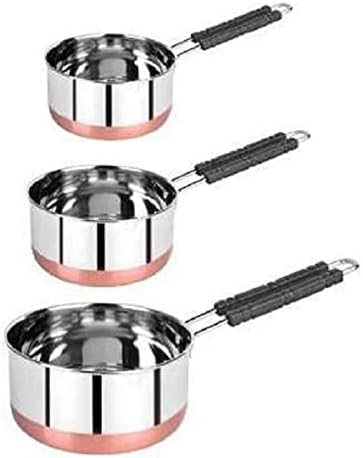
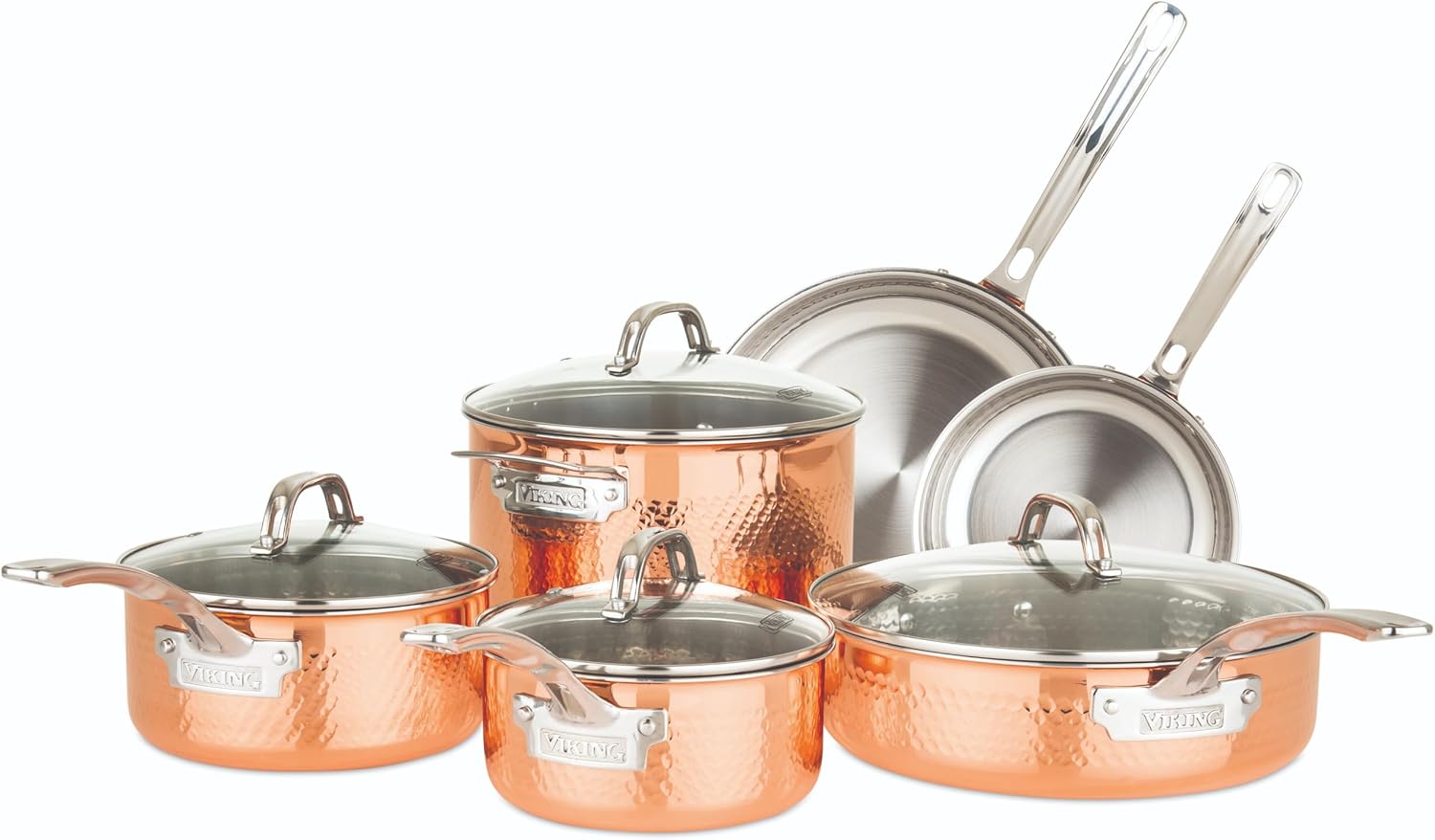
Different configurations offer distinct advantages, ranging from compact three-piece sets designed for small households to comprehensive ten and twelve-piece collections featuring frying pans, steamers, and stock pots. Reviewing the physical characteristics, material layers, handle designs, and lid styles helps you choose a suitable option for your everyday cooking routines without guessing at performance claims.
As an Amazon Associate, StacyLaughs earns from qualifying purchases.
Buying guide
Material Construction and Heat Distribution
Selecting cookware involves understanding how different base materials affect heat transfer across the cooking surface. Sets incorporating copper elements or multi-ply layers aim to provide even temperature distribution, reducing hot spots while you prepare delicate sauces, boil liquids, or simmer soups. Stainless steel interiors combined with conductive metal cores offer distinct structural benefits for long-term kitchen durability and everyday reliability.
Buyers must evaluate whether an exposed copper bottom, full copper cladding, or an aluminum core best matches their cooking style and maintenance routine. While hammered copper exteriors add a traditional aesthetic appeal to modern kitchens, multi-layered vessels prioritize functional heat retention and dependable performance across various burner types during standard food preparation tasks.
Set Size and Piece Variety
Choosing between a compact three-piece set and a comprehensive ten or twelve-piece collection depends on your household size and typical meal routines. Smaller configurations focus heavily on essential vessels like milk pans and saucepans, making them practical for quick tasks or limited kitchen space. Larger assortments include frying pans, saute pans, stock pots, and steamer inserts.
Reviewing your weekly cooking habits helps determine if you need specialized pots or a complete matching collection. While larger sets eliminate the need to purchase separate cookware items later, they require dedicated storage space and careful management of multiple lids and pans during everyday cleanup and meal organization in busy home kitchens.
Stovetop Compatibility and Base Design
Modern kitchen setups feature diverse heating surfaces, including gas burners, electric coils, ceramic smooth tops, and magnetic induction cooktops. Ensuring that your chosen saucepan set matches your specific stovetop is essential for safe and efficient cooking performance. Induction cooktops specifically require compatible magnetic base layers to generate heat.
Manufacturers detail base specifications for each cookware collection. Checking these compatibility guidelines before purchasing prevents performance issues on induction or smooth glass cooktops, ensuring that the pots transfer heat effectively regardless of which burner type you utilize in your home kitchen environment.
Interior Coatings and Maintenance
Cookware interiors typically feature either polished stainless steel, nonstick ceramic coatings, or titanium-reinforced surfaces. Ceramic nonstick interiors facilitate easy food release with minimal oil, supporting specific dietary preferences. However, these coatings often require careful handling with non-metal utensils and manual washing to preserve their nonstick qualities over time.
Stainless steel surfaces provide a durable, non-reactive medium for acidic ingredients and tolerate metal utensils well. Balancing your preference for effortless food release against your willingness to follow specific cleaning and utensil guidelines helps determine the most practical interior coating for your daily household cooking routines.
Handles and Lid Ergonomics
Comfortable handling and secure lid designs significantly impact everyday cooking safety and convenience. Ergonomic stainless steel handles engineered to stay cool on the stovetop help prevent accidental burns when managing hot pots. Solid grip construction is particularly important when lifting heavier, liquid-filled saucepans or stock pots.
Tempered glass lids allow cooks to monitor food progress without lifting the cover and losing heat or moisture. Many lids include steam vents to reduce boiling over. Evaluating handle materials, grip shapes, and lid visibility features ensures a more comfortable and controlled experience around a hot kitchen stove.
Storage and Kitchen Space Management
Kitchen cabinet space heavily influences which cookware set best fits your home environment. Compact sets featuring nestable vessels allow smaller pots to stack neatly inside larger ones, drastically reducing the footprint required for storage. This design is especially beneficial for smaller apartments or kitchens with limited shelving.
Comprehensive multi-piece collections with multiple lids and wide stock pots demand significantly more storage room. Assessing your available cupboard and drawer space prior to purchase ensures you can comfortably store all included items and matching lids without creating clutter in your primary cooking workspace.
Frequently asked questions
Are copper bottom saucepan sets safe to use on induction cooktops?
Compatibility with induction cooktops depends entirely on the specific metal composition of the base. While stainless steel and certain multi-ply constructions interact effectively with magnetic induction burners, traditional exposed copper or pure aluminum bases require a magnetic stainless steel layer to function properly. Manufacturers typically specify compatible stovetops, including gas, electric, or induction options. Buyers should always verify whether a particular cookware set features the necessary magnetic properties before using it on an induction cooktop to ensure proper heating performance and avoid potential equipment mismatch issues during meal preparation.
What is the best way to clean copper-bottomed and ceramic-coated cookware?
Cleaning methods vary significantly depending on the exterior finish and interior coating of the pots and pans. For ceramic-coated surfaces, manufacturers generally recommend hand washing with mild soap and non-abrasive sponges to preserve the nonstick qualities. Cookware featuring exposed copper or polished stainless steel exteriors may require specialized care or specific cleaning solutions to maintain the exterior shine and prevent tarnishing over time. Always check the manufacturer guidelines, as some multi-piece sets permit dishwasher cleaning while others strongly advise hand washing to protect delicate finishes and handles.
Do stainless steel interiors react with acidic foods during cooking?
Stainless steel is widely recognized as a stable, non-reactive cooking surface that does not leach metallic flavors into acidic ingredients like tomatoes, citrus juices, or vinegar. This makes stainless steel interiors a reliable choice for simmering long-cooking sauces or boiling various liquids. When paired with a copper bottom or an aluminum core, the stainless steel cooking surface ensures that your food maintains its natural taste profile without absorbing unwanted flavors, providing a neutral medium for diverse everyday recipes and culinary experiments in the home kitchen.
How do I choose the right pot capacity for my household?
Selecting the appropriate pot capacity depends directly on your household size and the types of dishes you prepare most frequently. Smaller one to two-quart saucepans are well-suited for boiling milk, warming individual portions, or melting butter, whereas larger three to five-quart pots accommodate family-sized pasta batches, soups, and stews. If you frequently cook for guests or prep large meal batches ahead of time, opting for multi-piece collections that include stock pots and larger saute pans ensures you always have the right vessel dimensions for any cooking task.
Are glass lids better than solid metal lids for everyday cooking?
Tempered glass lids offer distinct visibility advantages, allowing home cooks to monitor food progress, boiling points, and reduction levels without lifting the cover and losing valuable heat or moisture. Many glass lids also feature integrated steam vents designed to prevent accidental boil-overs during rigorous simmering. While solid metal lids provide robust durability and heat retention, glass lids combine practical monitoring convenience with tight seals. Checking temperature tolerances and oven safety ratings for specific glass lids is important before moving them from stovetop to high-heat baking environments.