Appliances · Buying Guide
Best Copper Chef Electric Fry Pan Options for Every Kitchen
Electric frying pans and versatile skillets bring powerful cooking performance directly to your kitchen countertop, combining adjustable heat controls with nonstick surfaces for everyday meals. Whether you are searing proteins, simmering family-sized stews, or frying breakfast favorites, these dedicated countertop cookers offer precise temperature management and reliable heat distribution across the entire cooking surface.
Choosing the right electric pan requires matching your available kitchen space, daily cooking capacity needs, and preferred materials such as titanium-reinforced aluminum or ceramic nonstick coatings. Featuring removable temperature probes, secure cool-touch handles, and tempered glass lids, modern electric appliances streamline both meal preparation and post-cooking cleanup routines for busy households.
As an Amazon Associate, StacyLaughs earns from qualifying purchases.
Buying guide
Surface Coatings and Durability
Selecting the right surface coating determines how easily food releases from your electric pan and how long the appliance maintains its nonstick integrity. Modern electric skillets often feature ceramic, titanium-reinforced, or copper-infused nonstick layers designed to prevent sticking without relying on traditional PFOA chemicals. These advanced materials withstand regular daily use while minimizing the need for excessive cooking oils during meal preparation.
Evaluating durability involves checking how well the coating resists scratching from standard utensils and daily wear. While metal tools can damage delicate nonstick layers, opting for reinforced aluminum bases or specialized ceramic blends helps preserve the cooking surface over years of service. Prioritizing robust construction ensures your electric skillet endures frequent breakfast and dinner sessions without degrading.
Heating Power and Wattage
Wattage directly influences how quickly your electric skillet heats up and how stably it maintains cooking temperatures under heavy food loads. Models ranging from 1200 to 1400 watts provide ample thermal energy for standard frying, simmering, and sautéing tasks. Higher wattage levels support rapid preheating phases, allowing you to transition from cold pans to active cooking environments without frustrating delays.
Matching power output to your typical recipes prevents undercooked centers or sluggish searing performance when preparing dense proteins. While powerful heating systems excel at high-heat tasks like browning meat, they also require compatible kitchen electrical circuits to operate safely alongside other countertop appliances. Assessing your home electrical setup ensures seamless, uninterrupted cooking experiences every time you plug in.
Capacity and Cooking Surface Shape
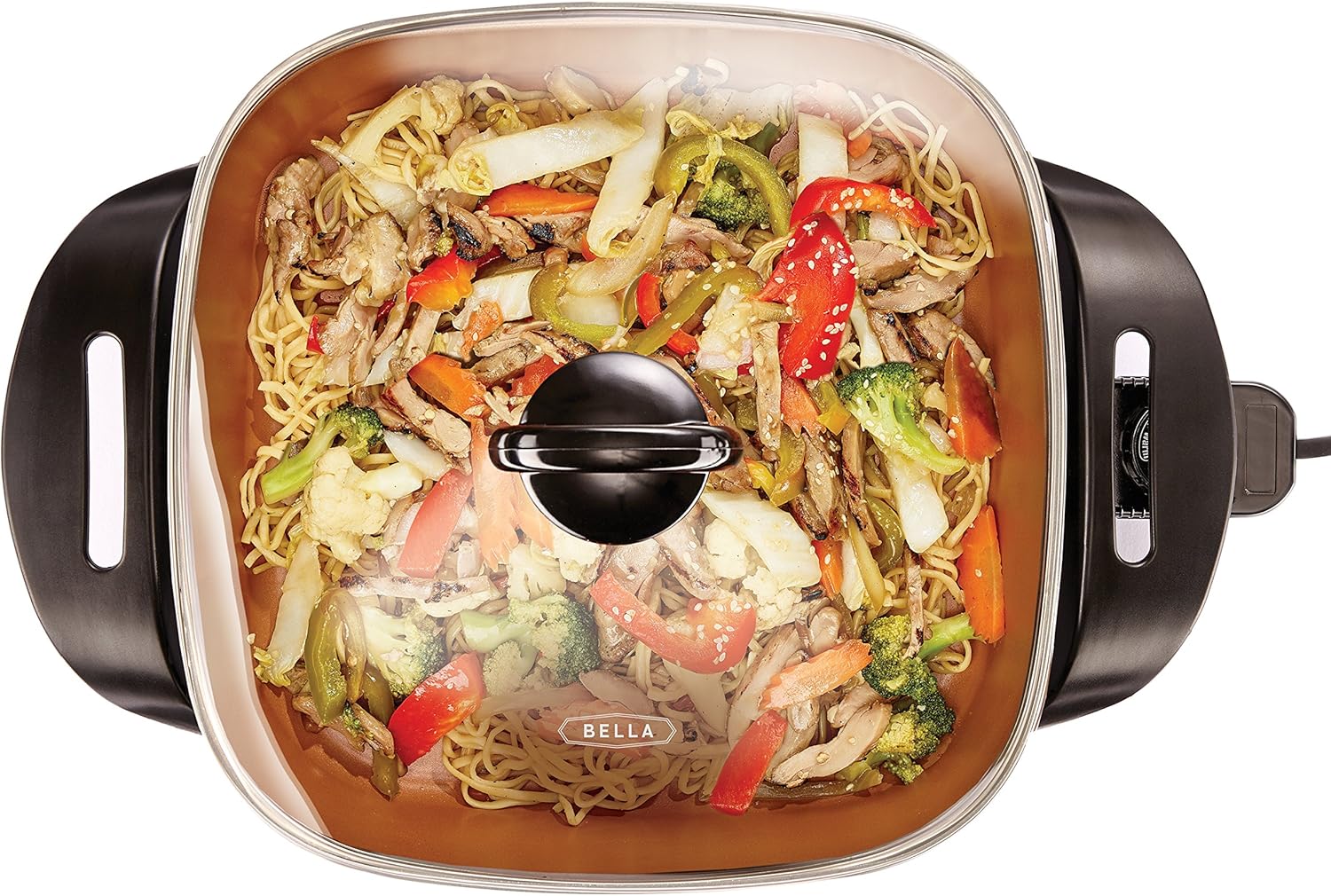
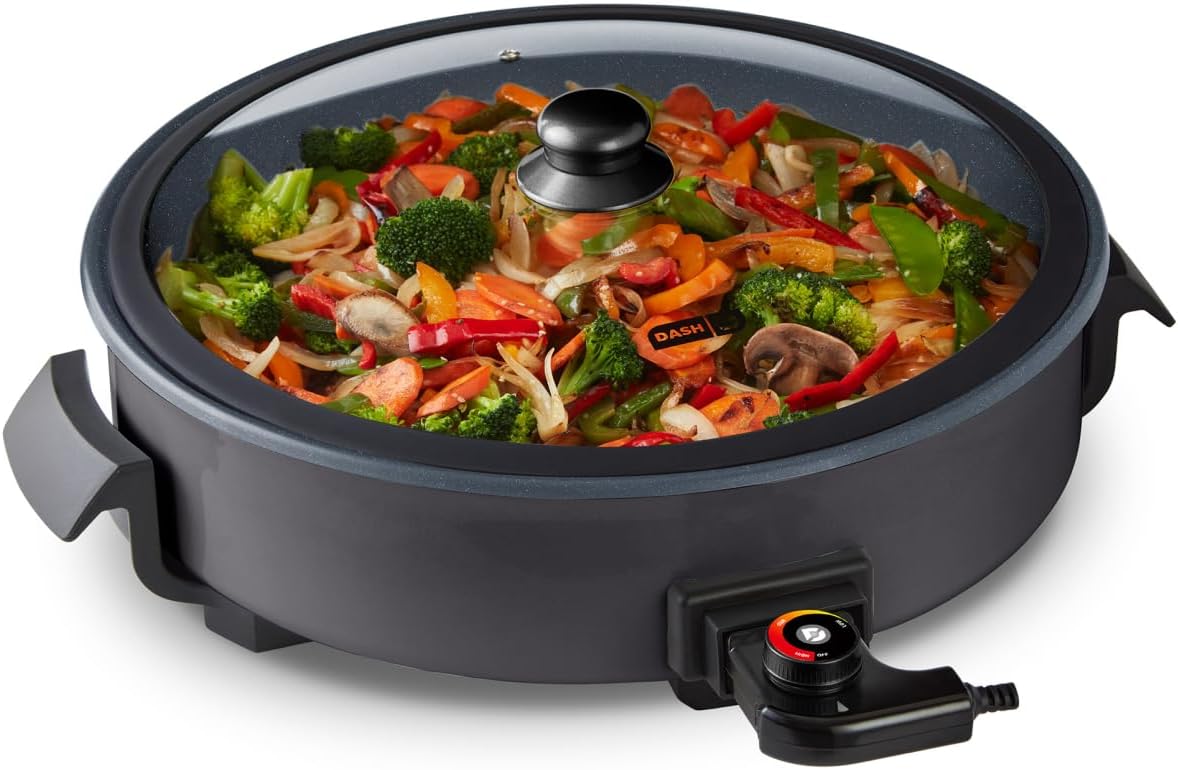
Choosing the correct cooking capacity depends heavily on your household size and whether you routinely cook for a crowd or prepare single portions. Large 14-inch square electric skillets and expansive six-quart models offer generous room for batch cooking, family-sized stir-fries, and one-pot pastas. Conversely, compact units suit individuals or couples with modest daily meal preparation requirements.
The physical shape of the cooking vessel also influences your culinary options, with flat-bottomed rectangular and round pans accommodating traditional frying, flipping, and simmering. Specialized clamshell or pocket cookers restrict you to specific snack items like omelets and paninis, making surface geometry a crucial factor in your overall purchasing decision.
Temperature Control Mechanisms
Precise temperature regulation transforms an ordinary electric pan into a versatile workstation capable of delicate simmering and aggressive searing. Removable probes equipped with adjustable dials let you dial in exact heat levels, eliminating the guesswork associated with traditional stovetop burners. Many models offer specific numerical settings or broad temperature spans reaching up to 425 degrees Fahrenheit.
Examining the control interface helps ensure you can easily monitor and modify heat during active cooking sessions without interrupting the process. Detachable probes also simplify storage and cleaning routines by allowing the main cooking vessel to be fully submerged in water. Prioritizing user-friendly dials guarantees better culinary consistency across various recipes.
Storage and Portability Features
Managing kitchen storage space is a vital consideration when selecting a bulky electric appliance equipped with integrated handles and glass lids. Innovative models incorporate space-saving engineering designs like inverted lid systems and secure locking clamps that allow vertical storage directly on cabinet sides. These specialized features significantly reduce the physical footprint of the cooker when it is not actively in use.
Portability plays an equally important role for users who plan to transport their electric pans to potlucks, tailgates, or vacation homes. Lightweight builds combined with secure lid mechanisms prevent messy spills during transit, making it effortless to bring hot signature dishes directly to shared gatherings without logistical headaches.
Cleanup and Maintenance Guidelines
Easy cleanup routines prevent post-cooking fatigue and extend the functional lifespan of nonstick electric skillets and frying pans. Models featuring removable temperature probes and fully immersible cast aluminum bases allow you to wash the cooking vessel directly in warm soapy water without worry. Nonstick ceramic and titanium coatings ensure food residues slide off smoothly with minimal scrubbing required.
Following manufacturer guidelines for maintenance protects delicate coatings from premature wear and maintains optimal appliance performance over time. Avoiding abrasive scouring pads and metal utensils preserves the nonstick integrity, ensuring your electric skillet remains a reliable kitchen companion for countless meals to come.
Frequently asked questions
Can I submerge my electric frying pan in water for cleaning?
Yes, many electric skillets feature fully immersible bases once you detach the removable temperature control probe. However, you must always verify specific manufacturer guidelines before placing any cooking vessel into water. Ensuring the electrical socket is completely dry before reattaching the temperature probe is essential for safe operation. Never submerge the heating probe itself, as electrical components will be damaged. Routine cleaning with warm soapy water and a soft sponge keeps the nonstick surface in excellent condition without requiring harsh abrasive scrubbing.
What is the benefit of a titanium-reinforced or ceramic nonstick coating?
Titanium-reinforced and ceramic nonstick coatings provide exceptional durability and smooth food release properties compared to standard cooking surfaces. These advanced materials help prevent delicate foods like eggs, fish, and pancakes from sticking during preparation. Additionally, they allow you to cook with minimal oils or butter, supporting lighter meal routines. The non-toxic, PFOA-free formulation ensures safe daily cooking, while the robust surface construction resists scratching from normal use, making post-dinner cleanup significantly faster and easier for busy households.
How do I store a large electric skillet in a small kitchen?
Storing a large electric skillet in a compact kitchen requires looking for space-saving engineering features like inverted lid designs and secure locking mechanisms. Some modern models allow you to store the unit vertically on its side inside cabinets, freeing up valuable shelf space. Additionally, detaching the removable temperature probe and wrapping the power cord neatly helps reduce clutter. Assessing your available cabinet dimensions before purchasing ensures the appliance fits comfortably when stowed away between cooking sessions.
Can an electric skillet replace a traditional stovetop burner?
An electric skillet functions as an independent countertop cooking appliance, making it an excellent alternative or supplement to traditional stovetops. With adjustable temperature controls and wide heating surfaces, these pans handle frying, searing, simmering, and steaming effortlessly. They are especially useful during holidays, family gatherings, or when your main stovetop is fully occupied. However, their physical footprint requires dedicated counter space, and power draw limits must be considered when running multiple high-wattage appliances simultaneously on the same electrical circuit.
Why is adjustable temperature control important in an electric pan?
Adjustable temperature controls allow you to dial in exact heat levels ranging from gentle warming settings up to high-heat searing thresholds. This precision eliminates the guesswork common with standard burners, helping you prevent burnt meals or undercooked centers. Whether you are simmering a delicate sauce at low temperatures or frying chicken at higher heat, having accurate control ensures consistent culinary results. Furthermore, removable probes make it easy to adjust settings on the fly without interrupting your cooking workflow.