Appliances · Buying Guide
Best Copper Chef Electric Skillet Choices for Easy Home Cooking
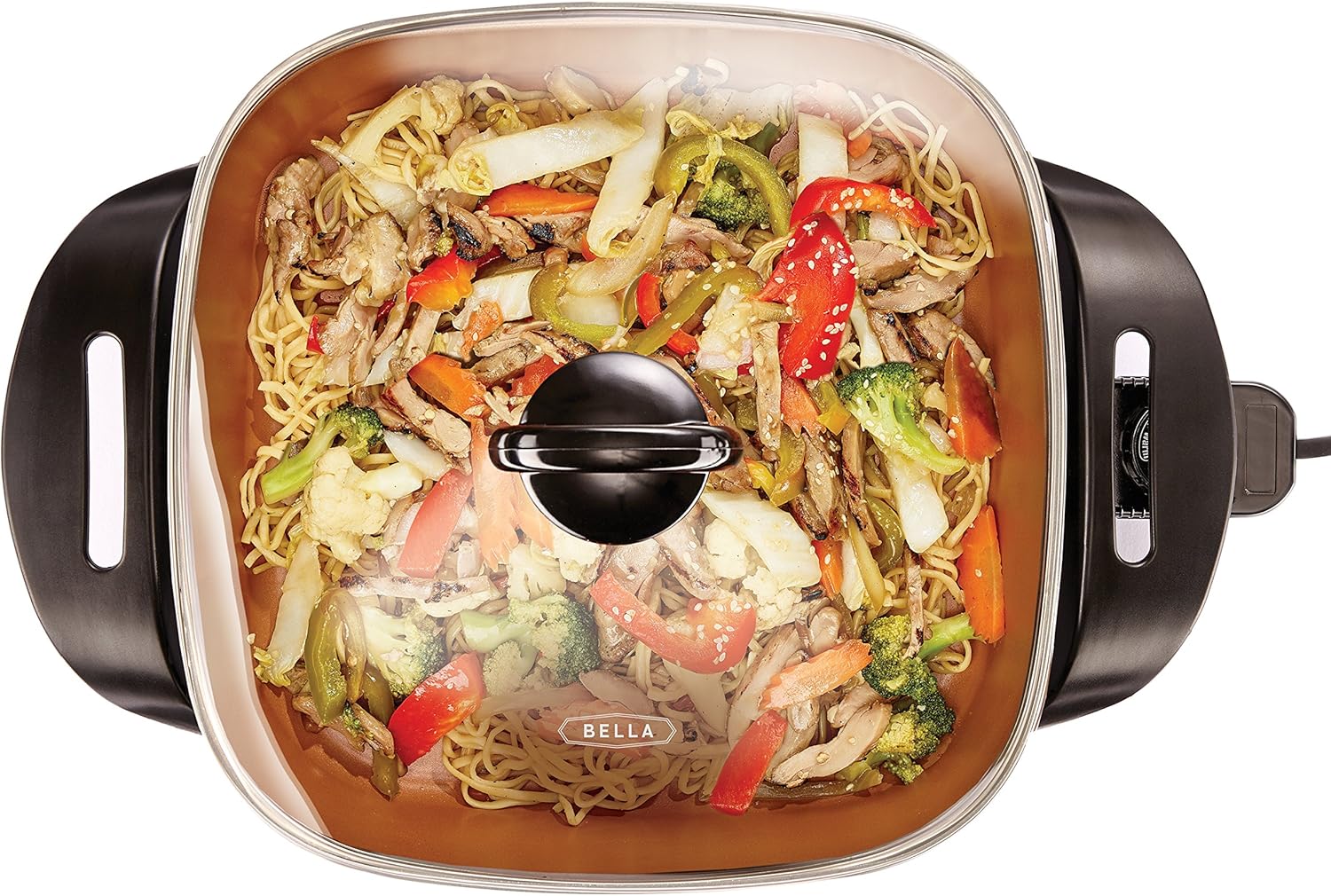
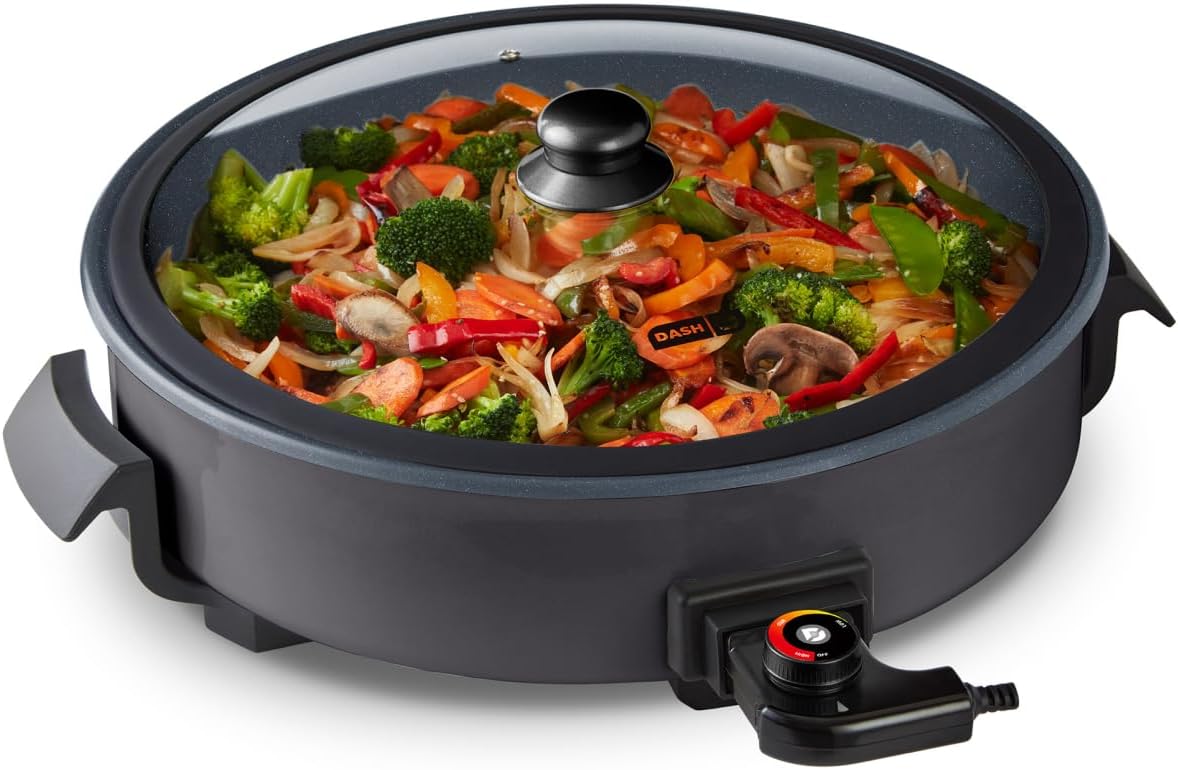
Electric skillets offer a convenient way to prepare family meals, handle weekend breakfasts, or simmer large dinners without tying up a traditional stovetop burner. These versatile countertop appliances combine heating elements with spacious cooking surfaces, making them practical additions to modern kitchens. Whether you are searing proteins, frying vegetables, or simmering stews, an electric skillet gives you direct temperature control right at your fingertips.
Selecting the right appliance depends on your household size, available storage space, and preferred cooking methods. Modern models feature specialized nonstick coatings, tempered glass lids, and removable temperature probes designed to simplify both cooking and cleanup. Exploring the available options helps you find a unit that matches your daily routine and culinary preferences, ensuring reliable performance for everyday meals and special gatherings alike.
As an Amazon Associate, StacyLaughs earns from qualifying purchases.
Buying guide
Cooking Surface Capacity
Selecting the correct cooking capacity ensures your electric skillet handles everyday meal preparation without forcing you to cook in multiple batches. Smaller households or solo cooks often find twelve-inch models perfectly sufficient for standard breakfasts, eggs, and quick weeknight dinners. These compact platforms heat up quickly and fit easily onto standard kitchen counters during busy morning routines.
Larger families or hosts who frequently entertain guests benefit significantly from fourteen-inch surfaces or high-volume multi-quart options. Having extra depth and width allows you to prepare family-sized casseroles, chili, or stir-fries in a single vessel without spills. Evaluating your typical portion sizes prevents buying a unit that feels restrictive or overly bulky for your available kitchen storage space.
Temperature Control Precision
Precise temperature control allows you to master diverse recipes ranging from gentle simmering to high-heat searing without burning food. Models featuring adjustable dials or smart control knobs let you select exact heat levels tailored to specific ingredients. Units with wide temperature spans give you the ultimate flexibility to slow cook tender vegetables or rapidly fry proteins.
Reviewing the available temperature settings helps determine how much fine-tuning control you will have over your everyday cooking process. Some appliances offer multiple discrete tiers, while others utilize continuous dial adjustment systems. Choosing a control mechanism that matches your culinary style ensures consistent cooking results across delicate sauces and hearty meals alike.
Nonstick Coating Durability
Nonstick coatings play a vital role in preventing food from sticking and making post-meal cleanup remarkably simple. Ceramic and titanium-reinforced surfaces offer smooth food release without requiring excessive oils or butter during preparation. These advanced coatings help ensure that delicate foods like fish or pancakes slide right off the hot cooking surface.
Investigating the material composition of your skillet helps you understand its long-term durability and daily scratch resistance. High-quality nonstick layers withstand regular spatula use and routine hand washing while maintaining their smooth release properties. Prioritizing robust surface materials reduces ongoing maintenance effort and keeps your electric skillet performing reliably over extended periods of time.
Storage and Space Management
Countertop appliances can quickly consume valuable kitchen real estate if they lack thoughtful storage design features. Models that incorporate vertical storage options, inverted lids, or integrated cord wraps make packing away your appliance much easier in tight spaces. These clever space-saving elements help keep crowded cabinets and kitchen pantries organized throughout the week.
Assessing your available kitchen storage before purchasing ensures your new skillet fits comfortably within your home layout without causing daily frustration. Removable temperature probes also contribute significantly to compact storage by eliminating awkward protruding parts that complicate stacking. Planning ahead for storage prevents unnecessary clutter and encourages frequent, hassle-free use of your countertop appliance.
Cleanup and Maintenance Ease
Routine cleanup and maintenance heavily influence how often you will choose to use your electric skillet for daily family meals. Fully immersible designs allow you to wash the main body safely with warm water and soap after detaching the electrical probe. This straightforward maintenance approach saves significant time and physical effort after heavy cooking sessions.
Smooth ceramic or titanium nonstick surfaces further simplify the cleaning process by letting stubborn food residues wipe away effortlessly with a soft sponge. Features like integrated grease management systems also catch excess oils, preventing messy buildup around the heating base. Selecting an easy-to-clean appliance ensures long-lasting kitchen hygiene with minimal physical scrubbing required.
Portability and Transport Features
Transporting cooked meals to potlucks, tailgates, or family gatherings requires reliable security features built directly into your skillet. Units equipped with sturdy lid clamps and secure locking mechanisms prevent accidental spills and messes while traveling. Cool-touch handles also make it much easier to lift and carry the appliance from the kitchen counter to a serving table.
Evaluating whether you plan to travel with your electric skillet helps determine if specialized transport accessories are necessary for your lifestyle. Portable designs let you cook and serve warm dishes directly at social events without needing an extra serving vessel. Prioritizing transport convenience expands the practical utility of your appliance far beyond standard home cooking.
Frequently asked questions
Can I immerse my electric skillet in water for cleaning?
Cleaning compatibility depends entirely on whether your specific model features a fully immersible design and a detachable heating probe. Many modern electric skillets allow you to remove the temperature control probe completely, making the main cooking vessel safe to wash with warm water and mild soap. Always consult the manufacturer maintenance instructions before submerging any appliance, and ensure that the electrical connection port dries completely before your next cooking session.
How do I choose the right temperature setting for different foods?
Selecting the proper temperature relies on understanding your recipes and the adjustable dial capabilities of your skillet. Lower temperature settings around two hundred degrees work wonderfully for slow simmering, keeping dishes warm, or gentle warming tasks. Higher temperature ranges extending past four hundred degrees provide the necessary heat for searing proteins, frying, or rapid sautéing. Reviewing your appliance manual helps match specific culinary tasks with the correct temperature tier or numerical dial setting.
Are ceramic and titanium nonstick coatings safe and easy to maintain?
Ceramic and titanium-reinforced nonstick coatings are designed to provide smooth food release without requiring excessive oils or butter during meal preparation. These advanced surfaces help prevent foods from sticking and make post-meal cleanup much faster. To maintain their performance, users should rely on soft sponges and mild soap rather than abrasive scouring pads. Following proper cleaning habits protects the coating integrity and ensures consistent food release over time.
Can I use an electric skillet for baking or steaming?
Certain versatile electric skillet models offer multi-function performance that actively supports baking, steaming, grilling, and traditional frying tasks. Units equipped with deep cooking vessels and tight-fitting glass lids create an enclosed environment well-suited for steaming vegetables, baking dishes, or simmering casseroles. Checking the specific features of your chosen appliance confirms whether it supports diverse cooking methods beyond standard frying and sautéing, expanding your daily home meal possibilities.
How can I store a large electric skillet in a small kitchen?
Storing a large electric skillet in a compact kitchen requires looking for space-saving design features like vertical storage capabilities, inverted lids, or integrated cord wraps. Some models allow you to lock the lid in place and store the entire unit safely on its side inside a cabinet. Additionally, removing the temperature probe and storing it separately prevents awkward bulkiness, helping you keep your kitchen counters and cabinets organized and tidy.