Appliances · Buying Guide
Best Crab Leg Steamer Pot Options for Every Kitchen Setup
Finding the right crab leg steamer pot depends entirely on your specific cooking capacity needs, typical batch sizes, and home stove type. Steaming delicate seafood like crab legs, lobster, and mussels requires reliable heat distribution and enough vertical space to fit bulky shells comfortably without crowding the vessel during active preparation routines.
Whether you are preparing a cozy family dinner on a modern glass induction cooktop or hosting a massive backyard seafood boil with a heavy-duty outdoor burner, matching your cookware materials and sizing to the specific menu ensures steady, efficient cooking results every single time you gather to eat with family and friends at home.
As an Amazon Associate, StacyLaughs earns from qualifying purchases.
Buying guide
Capacity and Volume Planning
Determining the correct capacity for your crab leg steamer pot prevents food overcrowding and ensures proper steam circulation around every shell. Smaller models holding five to six quarts work wonderfully for couple-sized dinners or tight kitchen environments. Larger options spanning sixteen to thirty quarts easily accommodate whole crabs, large lobsters, and massive family gatherings without forcing ingredients against the lid during active steaming.
Matching your pot volume to your typical guest count saves valuable cabinet storage space and energy during heating. Consider whether you require a compact footprint for quick weeknight meals or an oversized vessel designed exclusively for weekend outdoor seafood feasts and heavy holiday entertaining tasks.
Material Selection and Durability
Selecting the right material directly influences how long your cookware lasts and how efficiently it conducts heat during boiling cycles. Stainless steel offers exceptional resistance to rust and corrosion while maintaining a sleek, professional appearance that withstands heavy daily use across various recipes. Aluminum provides rapid and even heat distribution for outdoor burners but requires distinct cleaning considerations and careful handling.
Enameled steel combines sturdy core construction with vibrant exterior finishes that brighten stovetops while cleaning easily after messy seafood meals. Evaluate your personal cleaning habits and kitchen storage conditions to choose a metal composition that balances longevity, overall weight, and daily maintenance requirements without creating unnecessary chores.
Stovetop and Heat Source Compatibility
Ensuring your chosen steamer pot matches your home cooking surface is a critical purchasing step for safe meal preparation. Many multi-ply stainless steel pots feature magnetic encapsulated bases that function seamlessly on gas, electric, ceramic, and modern induction cooktops. Aluminum and certain specialized large stockpots often omit induction support, restricting their operation entirely to gas ranges or portable outdoor burners.
Check your kitchen stove setup carefully before finalizing any purchase to avoid compatibility frustrations and wasted cooking time. Confirming whether your cooktop relies on magnetic induction technology ensures your new seafood pot heats evenly, stays grounded, and operates safely during every routine preparation.
Insert Designs and Steaming Accessories
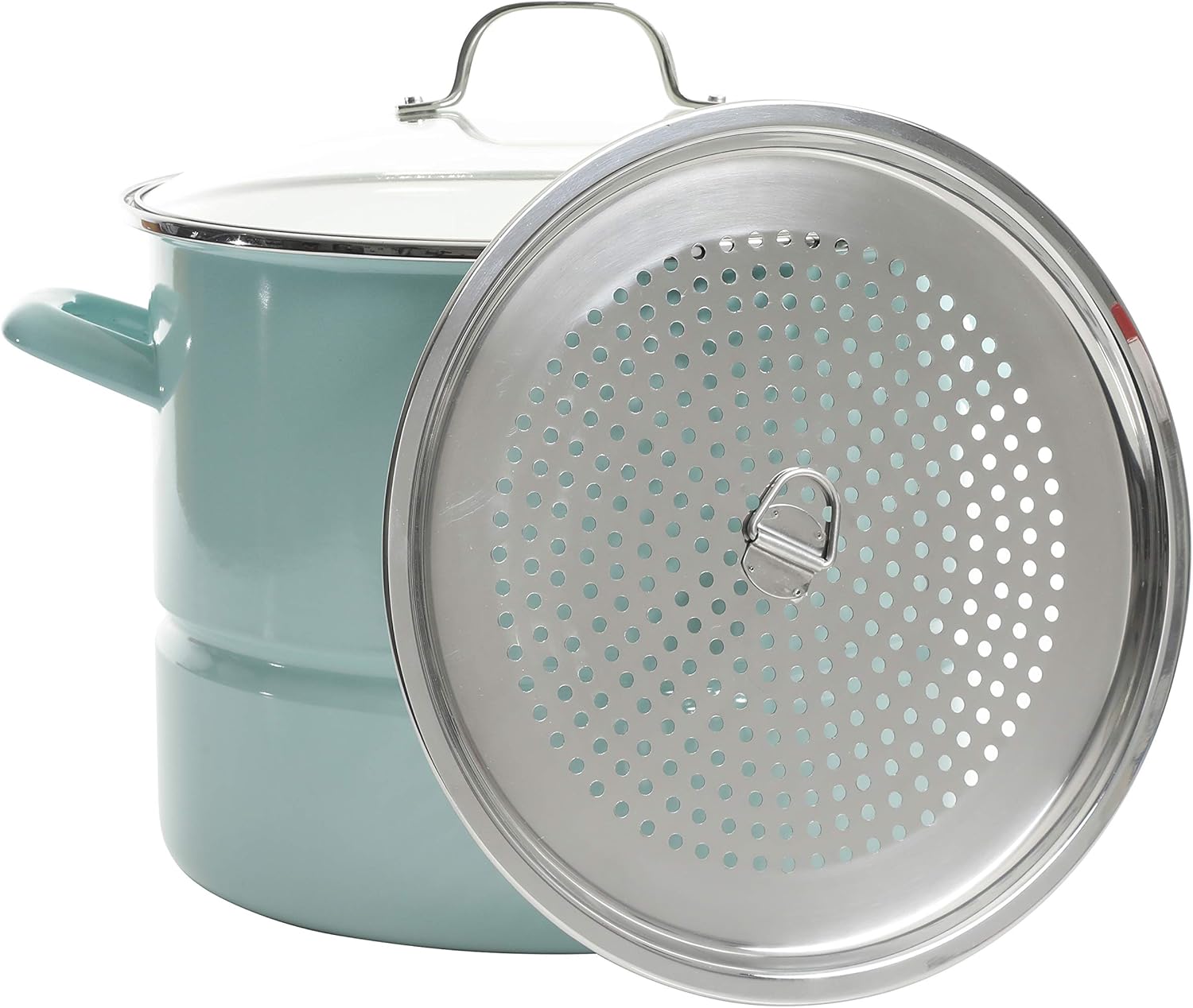
The internal configuration of your pot greatly expands its versatility beyond simple liquid boiling tasks. Perforated steamer inserts and raised baskets keep delicate seafood elevated above boiling water, ensuring gentle steam cooking rather than unwanted water saturation. Some advanced models include specialized internal dividers, allowing you to separate different ingredients like corn, potatoes, and crab legs to cook them simultaneously without mixing flavors.
Accessories like safety lift hooks, secure handle rivets, and tempered glass lids improve everyday convenience and safety during active operation. Reviewing included components helps you determine if additional racks or baskets are required for your specific seafood steaming routines and family dinners.
Handling Safety and Ergonomic Lifts
Transporting a heavy pot filled with boiling water and seafood requires secure, well-designed handles that withstand shifting weights. Riveted stainless steel handles provide a confident grip when moving vessels across kitchen counters or indoor stovetops. For larger multi-quart pots, sturdy side handles and dedicated lifting hooks prevent accidental slips and burns during heavy-duty outdoor cooking sessions or lively patio gatherings.
Evaluating handle construction protects you from steam exposure and dropped cookware accidents during daily meal preparation. Prioritize pots with secure attachment points and comfortable grips to ensure safe transport from high heat sources directly to serving areas without unnecessary physical strain or awkward tipping.
Maintenance and Cleanup Efficiency
Keeping your crab leg steamer pot clean after preparing salty seafood prevents stubborn residue buildup and maintains metal integrity over years of kitchen service. Brushed stainless steel interiors, smooth surfaces, and dishwasher safe components simplify post-meal cleanup routines significantly. Selecting materials that resist staining and industrial residues ensures your cookware stays ready for frequent use without requiring harsh chemical scrubbing agents.
Following manufacturer cleaning guidelines preserves protective finishes and prevents unnecessary surface wear on all metal components and handles. Taking time to wash and dry your steamer pot properly after every seafood meal guarantees long-lasting performance and reliable hygiene in your busy kitchen environment.
Frequently asked questions
Can I use a stainless steel steamer pot on an induction cooktop?
Many stainless steel steamer pots feature magnetic encapsulated or flat tri-ply bases designed to work efficiently on induction, gas, electric, and ceramic stovetops. However, compatibility depends entirely on the specific model's base construction. Some large aluminum or specialized stockpots explicitly exclude induction support, restricting them to gas burners. Always check the manufacturer specifications before purchasing if you rely on an induction cooktop for your daily cooking routines, family meals, and seafood boils.
What is the best pot size for steaming crab legs at home?
The ideal pot size depends heavily on your household size and how many crab legs you plan to steam at once. Compact five to six quart pots suit smaller portions for couples or small families. If you frequently cook for larger groups or want to steam whole crabs and lobsters alongside vegetables, sixteen to thirty quart stockpots provide the necessary vertical room and basket volume to prevent overcrowding the ingredients during active steaming sessions.
Are aluminum steamer pots safe and effective for outdoor seafood boils?
Aluminum steamer pots offer excellent heat conductivity and lightweight handling, making them popular choices for outdoor seafood boils and backyard gatherings. They heat up quickly on portable gas burners. While highly effective for outdoor cooking, aluminum pots are generally incompatible with indoor electric induction cooktops. Users should review the manufacturer guidelines regarding material maintenance and stovetop limitations to ensure the pot aligns with their intended cooking locations and cleanup preferences.
How do internal dividers and water spouts improve steaming efficiency?
Internal dividers allow you to separate different food types, such as corn, potatoes, and crab legs, cooking them simultaneously without mixing flavors or requiring multiple separate pans. Water spouts enable you to add more liquid into the pot without lifting the main lid or removing the upper steamer basket. This design feature helps avoid potential steam burns and preserves cooking temperatures by reducing heat loss and water evaporation during long simmering tasks.
How should I clean and maintain my stainless steel steamer pot?
Cleaning your stainless steel steamer pot promptly after preparing salty seafood prevents stubborn residue buildup and maintains metal surfaces. Many models feature smooth brushed interiors and dishwasher safe components that simplify post-meal cleanup routines. Following manufacturer cleaning guidelines preserves protective finishes and prevents unnecessary surface wear on handles and bases. Washing and drying your pot thoroughly after every use guarantees long-lasting performance, structural integrity, and reliable kitchen hygiene for future meals.