Appliances · Buying Guide
Best Crofton Cast Iron Skillet Alternatives and Top Picks
Finding the right cooking pan can completely change how you prepare daily meals in your home kitchen. Heavy cast iron options offer steady heat distribution and reliable durability for searing meats, frying eggs, or baking warm cornbread directly on the stovetop or inside a hot oven. These traditional cooking vessels develop a natural non-stick surface over time when properly maintained through regular cleaning and light oiling after every use.
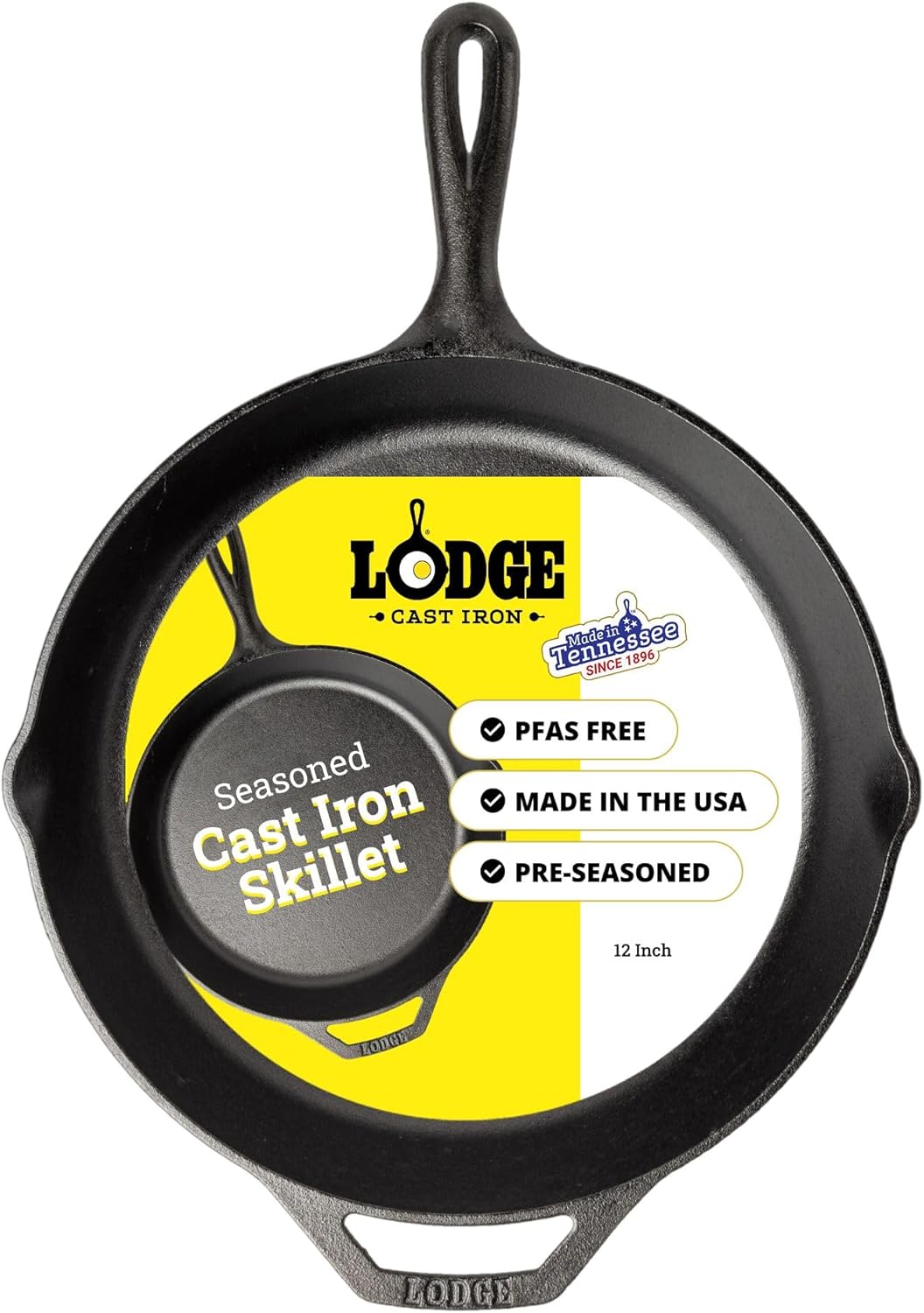
When shopping for reliable cookware comparable to a traditional crofton cast iron skillet, carefully evaluating sizing, handle design, and heat source compatibility helps you choose wisely. This overview examines several pre-seasoned cast iron pans suited for various kitchen cooking styles, ranging from compact single-serving options to large family-sized skillets equipped with matching lids and protective silicone handle holders for safe daily handling.
As an Amazon Associate, StacyLaughs earns from qualifying purchases.
Buying guide
Material Composition and Heat Retention
Cast iron cookware is celebrated for its exceptional ability to retain heat and distribute it evenly across the entire cooking surface. When you place a heavy cast iron skillet on a burner, the dense material absorbs thermal energy and holds it steadily. This helps achieve deep, even sears on steaks, chicken breasts, and vegetables without developing stubborn hot spots during active cooking.
This reliable thermal mass also means the pan stays hot long after you turn off the heat source. You can transition the skillet directly from a stovetop burner into a hot oven to finish cooking dishes like frittatas, cornbread, or roasted meats without ever changing cookware pieces.
Seasoning and Non-Stick Surfaces
Most quality cast iron skillets arrive pre-seasoned from the manufacturer with natural vegetable oils baked deep into the porous iron surface. This initial factory treatment creates a smooth, easy-release layer that prevents food from sticking aggressively during everyday frying tasks like cooking morning eggs, searing meats, or flipping delicate fish fillets.
Maintaining and gradually improving this natural non-stick quality requires simple routine care rather than harsh chemical cleaners or automatic dishwashers. Washing the pan by hand with warm water, drying it thoroughly over low heat, and rubbing a thin layer of cooking oil across the interior keeps the seasoned finish strong and prevents unwanted rust formation.
Choosing the Correct Skillet Size
Selecting the right pan diameter depends entirely on your household size and the types of meals you prepare most frequently during the week. Smaller six-inch to eight-inch pans suit single portions, fried eggs, and miniature side dishes, while mid-sized ten-inch skillets handle everyday family cooking comfortably without ever overcrowding your stovetop burner elements.
Large twelve-inch options provide ample room for bulk meal prep, whole chickens, and generous batches of mixed vegetables. Keep in mind that larger pans increase total weight significantly, requiring careful consideration of your physical lifting strength, arm endurance, and the available storage space inside your kitchen cabinets or pantry shelves.
Stovetop and Oven Compatibility
Cast iron cookware is widely recognized for its impressive versatility across different cooking appliances. Most standard cast iron skillets work seamlessly on gas cooktops, electric coils, and smooth-surface induction ranges. Furthermore, because iron can withstand very high temperatures, these pans transition easily from the stovetop directly into a hot kitchen oven for baking or roasting.
Always verify specific manufacturer guidelines regarding maximum temperature limits and compatible heat sources before cooking. While many skillets handle oven temperatures up to five hundred degrees Fahrenheit safely, certain models or accessories like attached silicone grips may have distinct operational thresholds that you must respect to prevent damage.
Handling and Safety Accessories
Because cast iron conducts thermal energy so efficiently, the entire body of the skillet becomes extremely hot during cooking, including the handle. Using protective accessories like silicone handle covers, heat-resistant mitts, or thick cloth potholders is essential for preventing burns when moving the heavy pan from a hot stovetop burner to an oven or countertop surface.
Some skillet packages include specialized accessories such as fitted braiser lids, non-slip silicone grips, or plastic pan scrapers. These extra items enhance cooking safety and versatility by trapping moisture or providing secure purchase points, though they also require additional storage space in your kitchen drawers and cabinets.
Cleaning and Maintenance Best Practices
Proper cleaning routines ensure your cast iron skillet lasts for generations without losing its natural non-stick properties. You should always wash the pan by hand using warm water and a stiff brush or scraper, avoiding harsh dish soaps and automatic dishwashers that can strip away the seasoned oil layer and promote rust.
After washing, dry the skillet completely over low heat on a stovetop burner to eliminate any lingering moisture. Finish the process by applying a microscopic layer of cooking oil across all interior and exterior surfaces with a paper towel before storing the pan in a dry location.
Frequently asked questions
Can I use soap when cleaning my cast iron skillet?
Yes, you can use mild dish soap in small amounts when cleaning your cast iron skillet if necessary, though many traditional cooks prefer using only hot water and a stiff brush. Modern dish soaps are generally gentle enough that they will not ruin a well-established seasoning layer, provided you do not soak the pan or put it into an automatic dishwasher. The most critical step after washing with or without soap is drying the skillet completely over heat and applying a thin coat of oil to prevent rust formation.
How do I prevent food from sticking to my cast iron pan?
Preventing food from sticking relies heavily on maintaining a proper seasoning layer and using correct preheating techniques. Always let your cast iron skillet heat up gradually over medium heat for a few minutes before adding cooking oil or butter and placing food inside the pan. Adding a small amount of oil or fat before cooking creates a reliable barrier. Additionally, allowing proteins to sear naturally until they release on their own rather than forcing them loose prevents tearing and maintains the smooth cooking surface.
Are cast iron skillets compatible with induction cooktops?
Most standard cast iron skillets are fully compatible with smooth-surface induction cooktops because iron is inherently magnetic and interacts directly with induction magnetic fields. However, you should always check the manufacturer specifications for your specific pan model to confirm compatibility before cooking. When using cast iron on glass or induction cooktops, place the heavy pan down gently and avoid sliding it across the surface to prevent scratching or chipping the delicate glass cooktop material during regular meal preparation routines in your kitchen.
What should I do if my cast iron skillet develops rust?
Developing rust on a cast iron skillet does not mean the cookware is ruined, as surface rust can be easily removed. Scrub the rusted areas thoroughly using warm water, a stiff bristle brush, or a specialized metal scouring pad until all visible orange discoloration disappears completely. Once the bare iron is exposed and the pan is washed and dried thoroughly, apply a generous layer of cooking oil across the entire surface and bake it in a hot oven to rebuild the protective seasoning layer.
Can I put my cast iron skillet inside the oven?
Yes, most traditional cast iron skillets are completely oven safe and can handle high baking temperatures up to five hundred degrees Fahrenheit or more. This makes them ideal for recipes that require starting on the stovetop and finishing in the oven, such as cornbread, baked dips, roasted meats, or skillet pizzas. Always check the manufacturer specifications for your exact pan model, especially if it includes non-metal handles, attached silicone grips, or auxiliary accessories that might have lower temperature limits than the bare iron body.