Appliances · Buying Guide
Best Cuisinart 3 Qt Saucepan Options for Every Home Kitchen
Finding the right cookware for everyday meals can completely transform how you prepare delicate sauces, savory grains, and rich reductions. Cuisinart offers a diverse lineup of three-quart saucepans designed to match different cooking styles, heat sources, and kitchen preferences. Selecting the right vessel ensures your food heats evenly without frustrating hot spots that can scorch delicate ingredients.
Whether you prefer classic encapsulated aluminum bases, multi-clad triple-ply walls, heavy-duty five-ply construction, or transparent glass lids for easy monitoring, these versatile pans bring reliable heat distribution to your stovetop. Exploring the distinct features of each model helps you choose the ideal kitchen tool for your daily culinary routine without guesswork.
As an Amazon Associate, StacyLaughs earns from qualifying purchases.
Buying guide
Construction and Ply Layers
The construction of your saucepan heavily dictates how heat travels from the burner into your food. Basic models use an encapsulated aluminum disc at the base, which rapidly draws heat upward and prevents annoying scorching right in the center. Tri-ply and five-ply options extend pure aluminum cores right up the sidewalls for total thermal coverage.
Multi-layered stainless steel builds offer superior heat retention and long-term durability. While single-disc bases handle everyday boiling and basic simmering efficiently, multi-clad vessels provide professional-level consistency for complex reduction sauces. Weigh your daily cooking habits against the investment required for advanced metallic layers to find the ideal balance for your kitchen space.
Handle Design and Comfort
Handling a heavy pot filled with boiling water or thick soup requires secure, ergonomically sound handle construction. Look for solid stainless steel riveted handles that offer lasting structural stability without loosening over years of frequent use. Many modern designs incorporate cool-grip technology to keep the main handle safe to touch during extended stovetop simmering sessions.
Some specialized saucepans include auxiliary helper handles positioned opposite the main grip. These extra attachment points distribute weight evenly when lifting heavy loads into the sink or transferring hot food to storage containers. Consider your personal wrist strength and typical batch sizes when deciding whether a standard stick handle or a dual-handle configuration best suits your daily cooking routine.
Lid Materials and Visibility
The type of lid included with your saucepan significantly impacts your everyday cooking process. Solid stainless steel covers excel at trapping moisture and retaining high heat levels, making them ideal for long simmering tasks and steaming grains. They offer rugged durability and match the polished aesthetic of metal cookware collections seamlessly across various traditional kitchen styles.
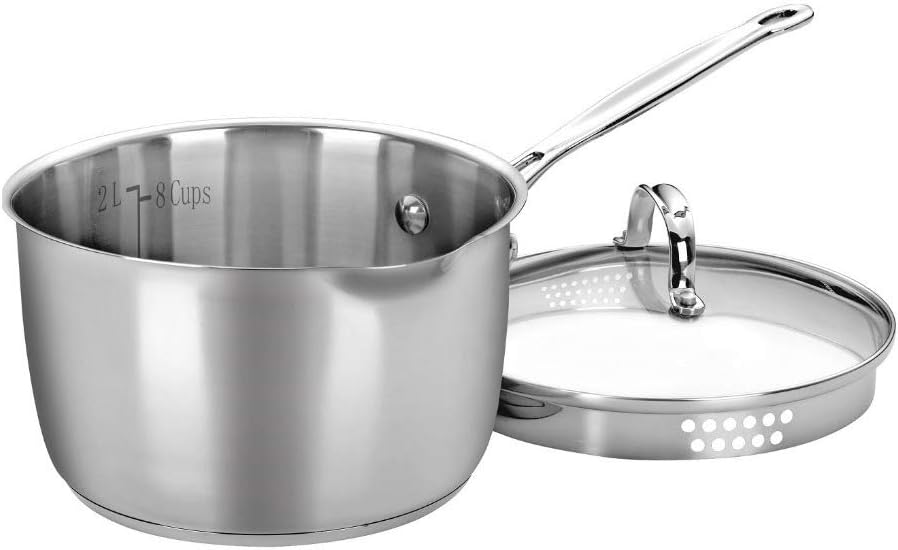
Alternatively, tempered glass lids allow you to monitor your reduction progress, boiling status, and food texture without lifting the cover and releasing vital steam. This helpful visual access prevents unnecessary heat loss during delicate recipes. Determine whether you prioritize the unbreakable resilience of solid metal covers or the convenient transparency of glass before finalizing your purchase decision.
Pouring Spouts and Rim Design
Transferring liquids from a saucepan into bowls, blender jars, or storage containers can often result in messy countertop spills if not carefully managed. Saucepan rims shaped with a tapered edge facilitate smooth, drip-free pouring. This thoughtful design feature guides liquids cleanly downward, preventing hot drips from running down the polished exterior walls of your favorite cookware.
Pour-friendly rims eliminate the need for extra ladles or awkward funnel tools during routine kitchen meal preparation. If you frequently make gravies, stocks, or custards that require constant liquid transferring, prioritizing a tapered rim will save you valuable cleanup time. Evaluate how often you pour liquids directly from your pans when selecting your ideal everyday cookware model.
Heat Source Compatibility
Ensuring your new saucepan works harmoniously with your kitchen stove is a vital purchasing step. Most quality stainless steel pans function reliably on traditional gas and electric coil cooktops. However, if you use a modern induction cooktop powered by magnetic fields, you must verify that the pan base contains compatible magnetic stainless steel layers.
Furthermore, consider whether you plan to transfer your saucepan from the stovetop directly into the hot oven or broiler. Certain professional models withstand high oven temperatures up to five hundred degrees Fahrenheit, while glass lids often feature lower designated heat limits. Match your cookware specifications to your preferred baking and cooking methods to expand your daily kitchen capabilities.
Cleanup and Maintenance
Maintaining your stainless steel saucepan requires understanding its material resilience and daily finish requirements. Many modern stainless steel designs are fully dishwasher safe, allowing for effortless cleanup after preparing sticky sauces or boiled starches. However, following careful manufacturer maintenance guidance ensures your cookware retains its functional integrity and attractive exterior finish over time.
Mirror finishes may require occasional polishing with specialized stainless steel cleaning products to remove stubborn water spots or heat discoloration caused by high burner flames. Brushed finishes tend to camouflage minor surface scratches much better during everyday washing routines. Assess your personal willingness to maintain exterior finishes when choosing the right aesthetic for your home kitchen.
Frequently asked questions
Can I use a Cuisinart stainless steel saucepan on an induction cooktop?
Many Cuisinart stainless steel saucepan models feature induction-ready bases, but compatibility varies depending on the specific collection you select. Multi-clad and bonded-base series often incorporate magnetic exterior layers designed to interact seamlessly with induction cooktop surfaces. To ensure proper performance, check the specific product specifications for induction readiness before making your purchase. Standard aluminum encapsulated discs without magnetic outer layers may not trigger induction burners. Verifying compatibility prevents heating issues and ensures your new saucepan works effectively on your specific kitchen stove.
Are Cuisinart three-quart saucepans safe to put in the dishwasher?
Yes, most Cuisinart stainless steel saucepans are designated as dishwasher safe, making post-meal cleanup quick and straightforward. You can place the pan and its matching lid directly into the dishwasher after cooking. However, frequent machine washing may dull mirror-finished exteriors over long periods, so hand washing with mild dish soap and a non-abrasive sponge remains a popular alternative for preserving that glossy shine. Always consult the manufacturer user manual for specific cleaning recommendations to keep your stainless steel cookware looking pristine and performing at its best for years.
What is the advantage of an aluminum encapsulated base in a saucepan?
An aluminum encapsulated base provides superior heat distribution by quickly absorbing thermal energy from the burner and spreading it evenly across the bottom of the pan. This rapid thermal transfer eliminates frustrating hot spots that can easily scorch delicate sauces, melt sugar, or burn grains during cooking. Because aluminum is an exceptional thermal conductor, embedding it within stainless steel combines the structural durability of steel with the efficient heating performance of aluminum, giving you better control over your everyday stovetop meal preparation tasks.
Can I put my Cuisinart saucepan into the oven?
Oven safety depends entirely on the specific Cuisinart saucepan model and its lid construction. Certain professional stainless steel series are oven safe up to high temperatures like five hundred degrees Fahrenheit, allowing you to finish dishes or melt toppings under the broiler. If your saucepan features a tempered glass lid, the lid itself typically has a lower temperature limit, often around three hundred fifty degrees Fahrenheit. Always review the product specifications and user manual instructions before transferring any cookware piece into a hot oven.
What makes a triple-ply saucepan different from a standard disc-base model?
A triple-ply saucepan features three bonded layers of metal—typically a pure aluminum core sandwiched between two layers of stainless steel—that extend completely up the sidewalls and across the bottom of the pan. In contrast, a standard disc-base model places the aluminum heat-distribution layer only at the very bottom. The full triple-ply construction provides Heat Surround technology, ensuring that heat travels evenly up the sides as well as the base, which is ideal for simmering sauces and reducing liquids with professional precision.