Appliances · Buying Guide
Best Cuisinart 3 Quart Saucepan Options for Everyday Kitchen Tasks
Selecting the right cookware for daily meal preparation involves carefully balancing thermal performance, material durability, and ergonomic handle comfort. A versatile three-quart capacity offers enough volume for boiling grains, simmering savory sauces, or reheating soups without taking up excessive stovetop space, making it an essential staple size for home cooks everywhere.
Cuisinart produces several distinct variations of this popular size, ranging from traditional encapsulated aluminum bases to advanced multi-ply bonded metals and specialized pouring designs. Reviewing the specific physical traits and structural features of each model helps match your cooking style and stovetop setup to the ideal piece of kitchen hardware for your daily routine.
As an Amazon Associate, StacyLaughs earns from qualifying purchases.
Buying guide
Material Construction and Heat Distribution
Choosing a three-quart saucepan starts with understanding how different metal configurations handle heat transfer. Encapsulated bases use an aluminum disk bonded to the bottom, which pushes heat outward across flat stovetop burners. Multi-ply models integrate aluminum layers directly into the walls, ensuring thermal energy surrounds the cooking cavity. Selecting the right metal prevents scorching when thickening dairy mixtures at medium heat settings.
Stainless steel surfaces provide a durable, non-reactive interior that preserves authentic food flavors over years of heavy use. Pairing aluminum cores with outer stainless steel layers prevents metallic leaching into acidic ingredients like tomato sauces. Reviewing these structural differences ensures you select a cooking vessel capable of maintaining consistent temperatures during extended simmering routines without requiring constant burner adjustments.
Handle Design and Ergonomic Support
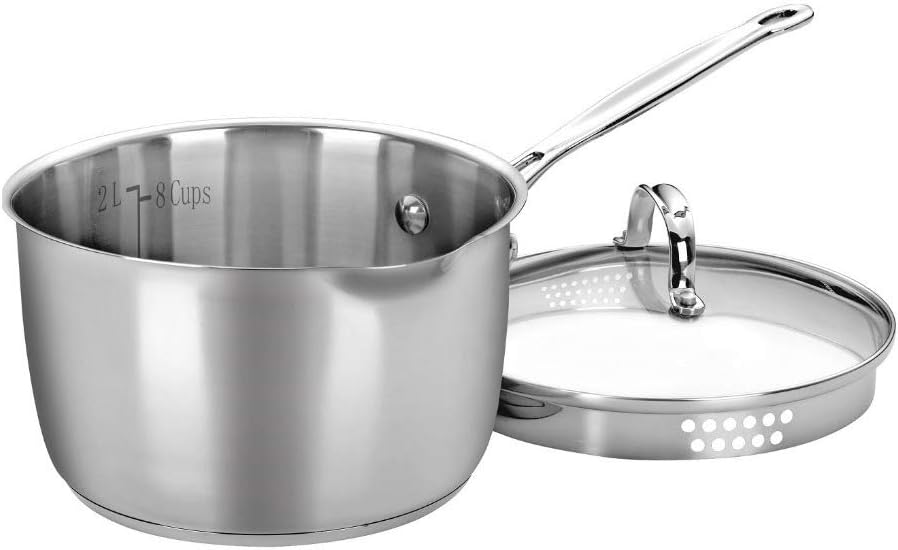
Handle construction directly influences safety and comfort when lifting heavy pots filled with boiling water or thick liquids. Solid stainless steel riveted handles attach securely to the pan body, offering long-term durability without loosening over time. Many designs incorporate a cool grip feature, allowing the metal handle to remain manageable on the stovetop during standard cooking tasks.
For larger pans or models designed for liquid transfers, secondary helper handles provide critical balance and extra leverage. A helper grip lets you steady the vessel with both hands when pouring hot broths into separate containers. Assessing your own lifting strength and typical portion sizes helps determine whether a single stick handle or a dual-handle setup provides the best control for your kitchen habits.
Cover Options and Visibility Features
The choice between a solid stainless steel cover and a tempered glass lid changes how you monitor food on the stove. Tempered glass covers allow you to check cooking progress and liquid reduction levels without lifting the lid and releasing trapped heat. This visual access helps maintain stable internal temperatures for sensitive grains and simmering stocks.
Solid metal covers provide robust durability and often feature tight rims designed to lock in moisture and flavor efficiently. While metal lids cannot shatter, they require you to lift the cover to inspect the contents inside. Consider whether you prefer the convenience of seeing your food cook through glass or the rugged simplicity of a solid metal lid.
Stovetop Compatibility and Induction Readiness
Modern kitchens feature various cooktop types, making compatibility a critical purchasing factor for any three-quart saucepan. Traditional gas and electric coils accept almost any metal cookware base, but induction cooktops require magnetic metals like stainless steel. Bonded bases containing specialized magnetic properties interact directly with induction burners to generate rapid heat without relying on external heating elements.
Verifying cooktop compatibility prevents purchasing errors and ensures efficient thermal transfer regardless of your kitchen setup. Induction-ready pans also function seamlessly on standard electric glass tops and traditional gas ranges, offering maximum versatility if you plan to upgrade your kitchen appliances in the future. Always match the pan's base specifications with your specific stove burner technology for optimal performance.
Pouring Mechanics and Rim Design
Pouring hot liquids safely from a saucepan depends heavily on the rim shape and exterior spout construction. Tapered rims allow sauces, soups, and reductions to flow smoothly into bowls or storage containers without dripping down the outer walls of the pan. This design minimizes messy cleanup and prevents liquid from pooling on your stovetop during meal transfers.
Standard straight-cut rims require more careful control when pouring thin liquids to avoid spills along the sides. If you frequently transfer broths or sauces directly from the cooking vessel, prioritizing a tapered pouring rim simplifies the task. Evaluating how often you pour liquids versus spoon them out helps determine the rim style that best suits your cooking routine.
Maintenance and Cleanup Considerations
Cookware maintenance involves evaluating how easily a saucepan washes after exposure to sticky starches and cooked-on sauces. Dishwasher-safe stainless steel construction allows for straightforward cleanup in automated kitchen appliances without damaging the core metal layers. However, mirror-finished exteriors may require occasional polishing and prompt drying to prevent water spots and maintain a shiny appearance.
Brushed finishes hide minor surface scuffs better than polished mirrors, making them practical for daily high-volume cooking environments. Understanding how different exterior finishes react to scrubbing and daily washing helps you choose a saucepan that remains attractive over years of service. Select a finish and cleanup method that aligns with your household chores and cleaning preferences.
Frequently asked questions
Is a three-quart saucepan large enough for cooking family meals?
A three-quart saucepan provides ample capacity for boiling small batches of pasta, preparing grains like rice for a small household, or simmering homemade soups and sauces. It strikes a practical balance between compactness and volume, making it versatile for side dishes and medium-sized recipes without occupying excessive burner space. However, if you regularly cook large batches for big families or host large gatherings, a larger multi-quart pot may be necessary to accommodate higher ingredient volumes. Assess your typical portion sizes and recipe requirements to decide if this capacity fits your daily cooking routine effectively.
Can these stainless steel saucepans be used safely in the oven?
Many stainless steel saucepans feature oven-safe construction that allows you to transition dishes directly from the stovetop to the oven for baking or broiling. Temperature thresholds vary depending on whether the pan includes a glass lid or specialized plastic components, so verifying the manufacturer ratings for each specific model is essential before baking. Metal lids generally withstand higher oven temperatures compared to tempered glass covers, which often have lower heat limits. Always check the product specifications to confirm the exact safe temperature limits for both the vessel body and its matching cover.
Do stainless steel handles get hot while cooking on the stovetop?
Solid stainless steel handles on quality saucepans are typically designed to stay cool during normal stovetop cooking sessions. These handles often utilize specific structural engineering or hollow designs to minimize heat transfer from the pan body to your grip area. Despite these features, extended cooking times over high burner flames can occasionally cause heat to travel up the metal handle. It is always wise to keep a dry potholder or oven mitt nearby when cooking over high heat settings or when transferring heavy pots from the burner.
Are stainless steel saucepans compatible with induction cooktops?
Cooktop compatibility depends entirely on the specific base construction of the saucepan model you choose. Models featuring bonded magnetic stainless steel bases or high-impact multi-ply construction work seamlessly on induction cooktops by interacting with the magnetic field. Traditional aluminum-bottom pans without magnetic outer layers will not activate induction burners. Reviewing the product specifications for induction readiness ensures that your chosen saucepan will function correctly on your specific kitchen stove without heating issues or compatibility frustrations during meal preparation.
How should I clean burnt food or discoloration from stainless steel?
Cleaning stubborn food residue or heat discoloration from stainless steel cookware involves soaking the pan in warm, soapy water to loosen debris. Non-abrasive cleaning powders formulated for stainless steel can help buff away persistent stains without scratching the polished finish. Avoid using harsh steel wool or abrasive scouring pads that might damage the outer metal surface or ruin mirror polishes. Regular washing with mild dish soap and prompt drying after dishwasher cycles will maintain the structural integrity and appearance of your stainless steel cookware over time.