Appliances · Buying Guide
Best Cuisinart MultiClad Pro Stock Pot Choices for Every Kitchen
Selecting durable cookware requires understanding how metal construction impacts heat distribution on everyday stovetops. The Cuisinart MultiClad Pro lineup offers multi-ply stainless steel options designed for home kitchens seeking reliable performance. Premium stainless exteriors combine with solid aluminum cores to promote even heating across various cooking surfaces, reducing unwanted hot spots during intensive meal preparation sessions.
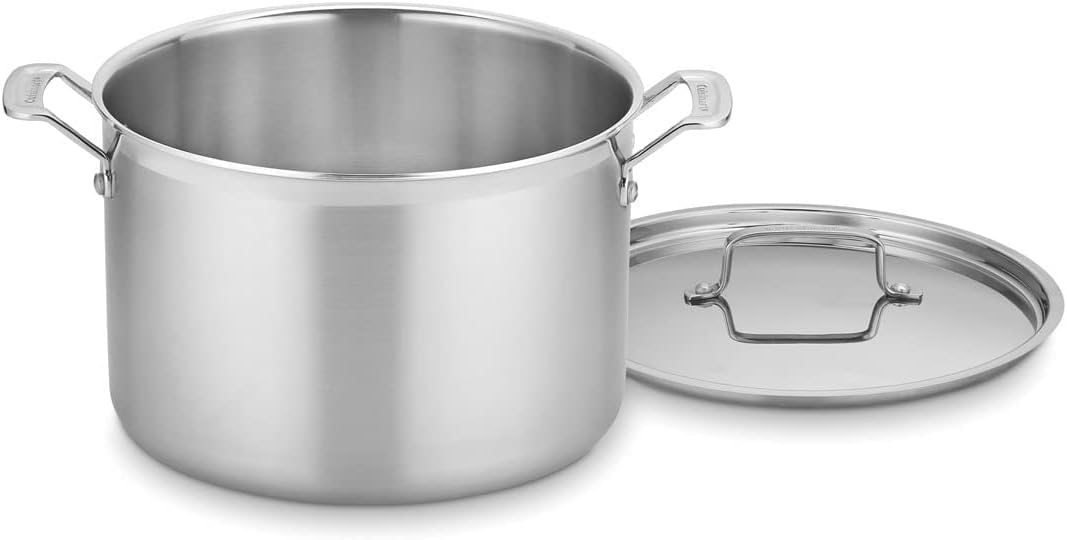
Whether you need a massive twelve-quart stockpot for boiling large batches of pasta or a comprehensive multi-piece set for daily cooking, these tri-ply vessels provide dependable surface heating and secure handling features. Understanding the specific capacity, dimensions, and structural design of each stockpot or cookware set helps ensure you select the ideal configuration for your household cooking demands and storage space.
As an Amazon Associate, StacyLaughs earns from qualifying purchases.
Buying guide
Material Composition and Heat Distribution
Understanding metal construction is crucial when selecting a stainless steel stockpot for your kitchen environment. Multi-ply clad designs bond protective outer layers of stainless steel with highly conductive inner aluminum cores, ensuring heat travels effectively up the sidewalls rather than resting solely on the bottom burner contact point. This engineering approach eliminates common temperature discrepancies.
This comprehensive thermal distribution prevents localized scorching and promotes consistent simmering for delicate broths, thick stews, and heavy sauces. Choosing solid multi-layer metal construction provides long-term structural durability and reliable performance across various residential stove types without warping under high heat exposure during intense cooking sessions. Careful evaluation of these metal layers ensures lasting utility.
Sizing and Capacity Considerations
Selecting the correct capacity depends heavily on your household size and typical meal preparation habits. Six-quart and eight-quart stockpots handle standard family dinners, medium pasta batches, and everyday soups with absolute ease. Larger eleven-quart vessels accommodate bulk cooking needs, holiday hosting essentials, and large family gatherings without crowding ingredients during active rolling boils.
Matching the pot volume to your actual cooking volume prevents awkward handling issues caused by unnecessarily heavy water loads during transport from sink to burner. Consider your typical guest count and kitchen storage limitations when deciding between individual stockpots and comprehensive multi-piece cookware sets. Proper sizing ensures comfortable daily use without wasted cabinet space or physical strain.
Stovetop and Oven Compatibility
Modern cookware must adapt to diverse kitchen appliances, including gas burners, traditional electric coils, smooth glass-ceramic surfaces, and advanced induction cooktops. Stainless steel multi-ply vessels provide versatile performance across these different heat sources, responding rapidly to temperature adjustments made by the cook during active culinary tasks. Energy transfer remains highly efficient throughout.
Oven safety ratings also dictate how versatile your stockpot can be for finishing braises, roasting ingredients, or baking savory casseroles. Checking maximum temperature limits, such as five hundred or five hundred fifty degrees Fahrenheit, ensures safe transitions from stovetop searing directly into heated ovens without damaging handles or lids. Always verify specific manufacturer thermal thresholds before baking.
Handle Ergonomics and Safety
Handling heavy pots filled with boiling liquid requires secure, well-designed handles that remain comfortable under active stovetop conditions. Riveted stainless steel handles provide exceptional structural strength, attaching firmly to the pot body to prevent wobbling or loosening over years of frequent family meal preparation. Ergonomic grips improve overall kitchen control significantly.
Many professional-grade stockpots incorporate stay-cool handle designs to minimize thermal transfer from the active cooking vessel during simmering. However, utilizing protective oven mitts or thick potholders remains essential whenever cookware transitions from hot burners into high-temperature ovens for extended baking or roasting periods. Safety precautions prevent accidental burns during handling.
Pouring Rims and Lid Design
Clean kitchen routines depend heavily on thoughtful rim engineering and lid construction. Tapered rims allow smooth, drip-free pouring of stocks and sauces directly into serving vessels without spilling down the polished exterior walls of your stainless steel stockpot. This practical engineering detail minimizes messy countertop cleanups after active cooking sessions finish completely.
Tight-fitting lids help trap internal moisture and heat, locking in natural food flavors during long simmering sessions. Selecting vessels featuring secure covers improves cooking efficiency and reduces unnecessary liquid evaporation when preparing complex soups or stews. Proper sealing enhances overall recipe consistency for everyday home cooks everywhere, supporting delicious meal outcomes.
Cleaning and Maintenance Practices
Maintaining stainless steel cookware involves understanding recommended cleaning methods to preserve the polished metal finish. Many multi-ply pots are dishwasher-safe, allowing easy cleanup after preparing rich meals, though simple hand washing with warm, sudsy water helps maintain surface shine over years of regular kitchen use. Proper care prevents surface dullness effectively.
Deglazing cooking surfaces with liquid releases stuck fond easily, preventing harsh scrubbing that might scratch metal finishes. Following manufacturer maintenance guidelines ensures your stockpot remains a reliable centerpiece in your kitchen cookware collection for a long time, ready for your next recipe creation. Consistent upkeep preserves long-term heating performance reliably.
Frequently asked questions
Can I use stainless steel stockpots on induction cooktops?
Yes, many stainless steel stockpots featuring compatible multi-ply or encapsulated base designs work seamlessly on induction cooktops, along with gas, electric, and glass-ceramic surfaces. Induction compatibility relies on magnetic stainless steel exterior layers interacting with the burner magnetic field to generate heat directly within the pan base. Always verify specific model specifications before purchasing if you rely entirely on induction cooking technology for your daily meal preparation routines at home.
How do I prevent food from sticking to a stainless steel stockpot?
Preventing food from sticking involves proper preheating techniques and using adequate cooking oils or fats before adding ingredients. Heat your stainless steel stockpot on medium heat for a brief period before introducing oil, allowing the metal pores to expand. Furthermore, deglazing the cooking surface with liquids like broth or wine at the end of cooking naturally releases fond and food particles, making subsequent cleanup significantly easier and faster.
Are these stockpots and cookware sets dishwasher safe?
Yes, models specified as dishwasher safe can be placed inside standard automatic dishwashers for convenient cleanup after cooking meals. However, washing your stainless steel pots and pans by hand using warm, sudsy water and non-abrasive cloths often helps preserve the exterior polished finish and prevents water spots over years of frequent use. Always follow manufacturer guidelines regarding cleaning methods and detergent choices to keep your cookware looking pristine.
What is the benefit of a tri-ply or multi-clad construction?
Tri-ply and multi-clad constructions bond a conductive aluminum core between durable stainless steel exterior and interior layers. This engineered design distributes heat evenly across the entire bottom base and up the sidewalls of the pot. By eliminating cold spots and responding rapidly to burner adjustments, multi-ply cookware provides precise temperature control for simmering sauces, boiling stocks, and searing ingredients without scorching your favorite food ingredients.
How do I choose between an 8-quart and a 12-quart stockpot?
Choosing between an 8-quart and a 12-quart stockpot depends primarily on your typical batch sizes and household cooking needs. An 8-quart pot handles everyday family soups, moderate pasta boiling, and standard meal preparation while maintaining a manageable physical weight when filled with water. A 12-quart stockpot offers massive capacity for bulk cooking, large family gatherings, and holiday hosting, but demands significantly more cabinet storage space and careful lifting technique.