Appliances · Buying Guide
Best Dash Family Size Skillet Options for Large Group Meals
Finding the right cookware for cooking large batches of food can significantly streamline meal preparation, especially when feeding a hungry crowd or managing busy everyday weeknight dinners. A spacious electric skillet provides a dedicated cooking surface that operates independently from crowded stovetops, giving home cooks extra room for searing, simmering, and stir-frying without juggling multiple pots and pans simultaneously.
These large-capacity appliances offer versatile heating options and advanced nonstick surfaces designed to simplify both cooking execution and post-meal cleanup routines. Examining the specific features, physical dimensions, and structural designs of popular family-sized skillets helps identify exactly which model matches your daily cooking routines and kitchen space requirements.
As an Amazon Associate, StacyLaughs earns from qualifying purchases.
Buying guide
Evaluating Cooking Surface Capacity
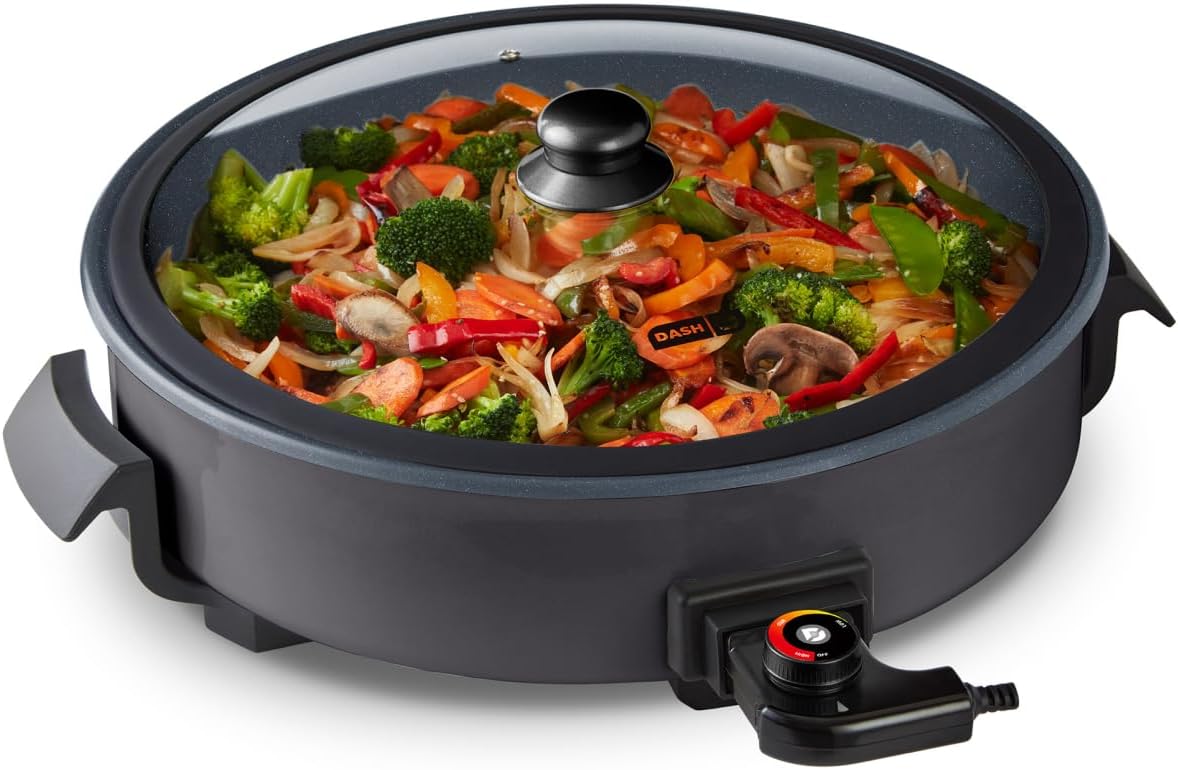
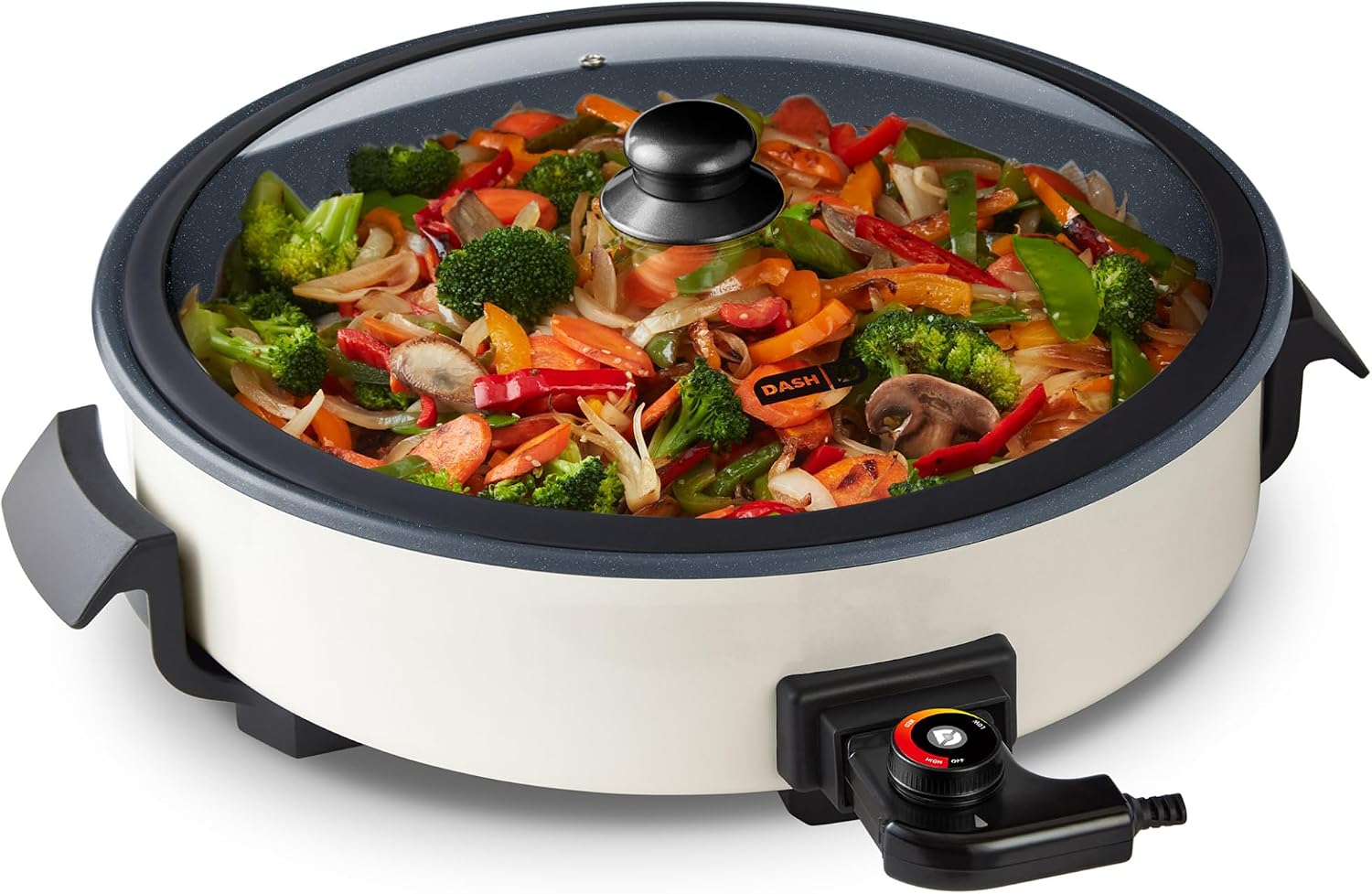
Choosing the right electric skillet begins with carefully examining the cooking surface dimensions and total volume capacity to match your household needs. Models featuring fourteen-inch cooking surfaces and six-quart liquid capacities offer ample room for preparing generous portions of stir-fries, pancakes, pasta dishes, and multi-ingredient one-pan dinners. This expansive interior space allows home cooks to prepare food for large families or social gatherings all at once without constantly overcrowding the active cooking area.
However, a larger surface area directly correlates with a wider physical footprint on your kitchen countertop and inside storage cabinets. Buyers must balance their daily need for high-volume meal preparation against available counter clearance and strict storage limitations in smaller kitchen layouts. Taking accurate measurements before purchasing ensures the appliance fits comfortably where you intend to use and store it.
Surface Materials and Nonstick Coatings
Modern electric skillets typically feature specialized nonstick coatings, such as ceramic or traditional nonstick formulations, designed to make food release seamless. Ceramic surfaces provide an alternative cooking environment that promotes easy sliding for eggs, cheese, and sticky sauces without requiring excessive butter or oil. This coating type generally facilitates fast hand-washing routines, reducing the effort needed to scrub away stubborn food residues after a busy meal.
Buyers should note that these protective coatings require careful manual maintenance rather than harsh automated dishwasher cycles. Protecting the nonstick integrity over years of regular use involves using non-metal utensils and gentle cleaning sponges, which preserves the cooking performance and extends the lifespan of the appliance surface.
Temperature Control Mechanisms and Precision
Precise heat regulation is vital for achieving successful results when searing meats, simmering sauces, or handling delicate frying tasks. Electric skillets typically incorporate either removable temperature control probes with continuous variable dials or fixed multi-level heat switches with preset options. Continuous probes allow granular adjustments across a wide temperature spectrum, giving cooks precise control over various cooking techniques from low warming to high-heat searing.
Conversely, preset heat levels offer simplified operation with clearly defined settings for specific culinary tasks like caramelizing onions or boiling liquids. Choosing between granular dial control and simplified presets depends on how closely you monitor cooking temperatures and the variety of recipes you prepare regularly.
Storage and Space-Saving Design Features
Accommodating a large electric skillet in residential kitchens requires thoughtful consideration of storage design and overall appliance weight. Some specialized models incorporate innovative features like removable temperature control probes, integrated cord wraps, or inverted lid mechanisms that allow side storage. These thoughtful engineering details help reduce the physical bulk of the appliance, making it easier to tuck into crowded cabinets or pantries between uses.
Heavier models or units with protruding side handles and wide lids demand dedicated cabinet clearance and careful lifting routines. Assessing your available storage space before buying prevents kitchen clutter and ensures the appliance remains accessible for regular meal preparation.
Lid Functionality and Condensation Management
Tempered glass lids are standard components that assist with heat retention and allow visual monitoring of cooking food without lifting the cover. Certain advanced skillet designs feature integrated lid rests built directly into the base structure, acting as convenient spoon holders while catching condensation drips. This practical addition prevents messy liquids from pooling on kitchen countertops and keeps cooking utensils organized within arm reach during active meal preparation.
Alternatively, transport-oriented models may utilize secure locking clamps and tight seals to prevent spills while moving dishes to external locations. Evaluating how the lid manages condensation and storage adds convenience to your daily cooking routine and cleanup process.
Portability and Transport Considerations
While electric skillets primarily function as stationary countertop appliances, certain designs cater specifically to potlucks, tailgates, and family gatherings outside the home. Features like sturdy side handles, cool-touch exterior surfaces, and locking lid clamps make transporting cooked dishes much simpler and safer. These attributes prevent accidental spills and provide a secure grip when moving a heavy skillet from the kitchen counter to a vehicle.
If you frequently travel with your cookware to social events, prioritizing models with robust transport security features and secure lid clamps is essential for preventing accidental messes. Conversely, stationary home cooks can focus primarily on cooking surface performance, stability, and ease of cleaning rather than travel-oriented mechanisms.
Frequently asked questions
Can I wash my electric skillet in the dishwasher?
Manufacturer guidance for most electric skillets specifies that the cooking base and temperature control probe must not be immersed in water or placed in an automated dishwasher. The removable probe contains electronic components that will be permanently damaged by liquid immersion. Instead, you should detach the temperature control probe and clean the ceramic or nonstick cooking surface manually using warm soapy water, a non-abrasive sponge, and a soft cloth. Hand-washing preserves the protective nonstick coating and extends the functional lifespan of the appliance significantly.
How do I store a large electric skillet in a small kitchen?
Storing a bulky fourteen-inch electric skillet requires utilizing space-saving design features built into the appliance. Many models allow you to detach the temperature control probe and wrap the power cord securely to reduce tangled wires in your cabinets. Some specialized models feature inverted lid designs or secure locking clamps that enable the skillet to be stored safely on its side, freeing up valuable vertical shelf space. Measuring your cabinet clearances beforehand helps determine whether a side-storage design or standard flat placement works best.
What types of meals can I cook in a six-quart electric skillet?
A six-quart electric skillet with a fourteen-inch cooking surface provides exceptional versatility for preparing diverse family-sized meals. You can easily cook large batches of stir-fries, fajitas, pan-seared meats, morning pancakes, eggs, bacon, skillet pasta dishes, chilis, and hearty casseroles. The spacious rectangular or round surface area allows you to brown meats, simmer sauces, and combine ingredients in a single pan without needing multiple stovetop burners or extra cookware pots, streamlining both active cooking and post-meal cleanup routines.
Why is a temperature control probe necessary?
The removable temperature control probe acts as the primary heat source and regulator for the electric skillet. It allows you to select precise heat levels ranging from low warming to high searing, depending on the specific culinary task you are performing. Because the probe detaches entirely from the skillet body, it simplifies the hand-washing cleaning process and prevents electrical components from getting wet. Furthermore, removing the probe makes the pan much easier to pack away inside crowded kitchen cabinets.
Do electric skillets require special utensils?
To protect the delicate ceramic or traditional nonstick coatings found on these electric skillets, using non-metal utensils is strongly recommended. Wooden, silicone, or heat-resistant plastic spatulas and spoons prevent scratching, chipping, or wearing down the nonstick cooking surface over extended periods of regular use. Metal forks, knives, and rigid metal turners can easily gouge or compromise the nonstick coating, leading to food sticking during future cooking sessions. Adopting proper utensil habits ensures your skillet maintains its easy-release performance for years.