Appliances · Buying Guide
Best david burke stainless steel cookware choices for your kitchen
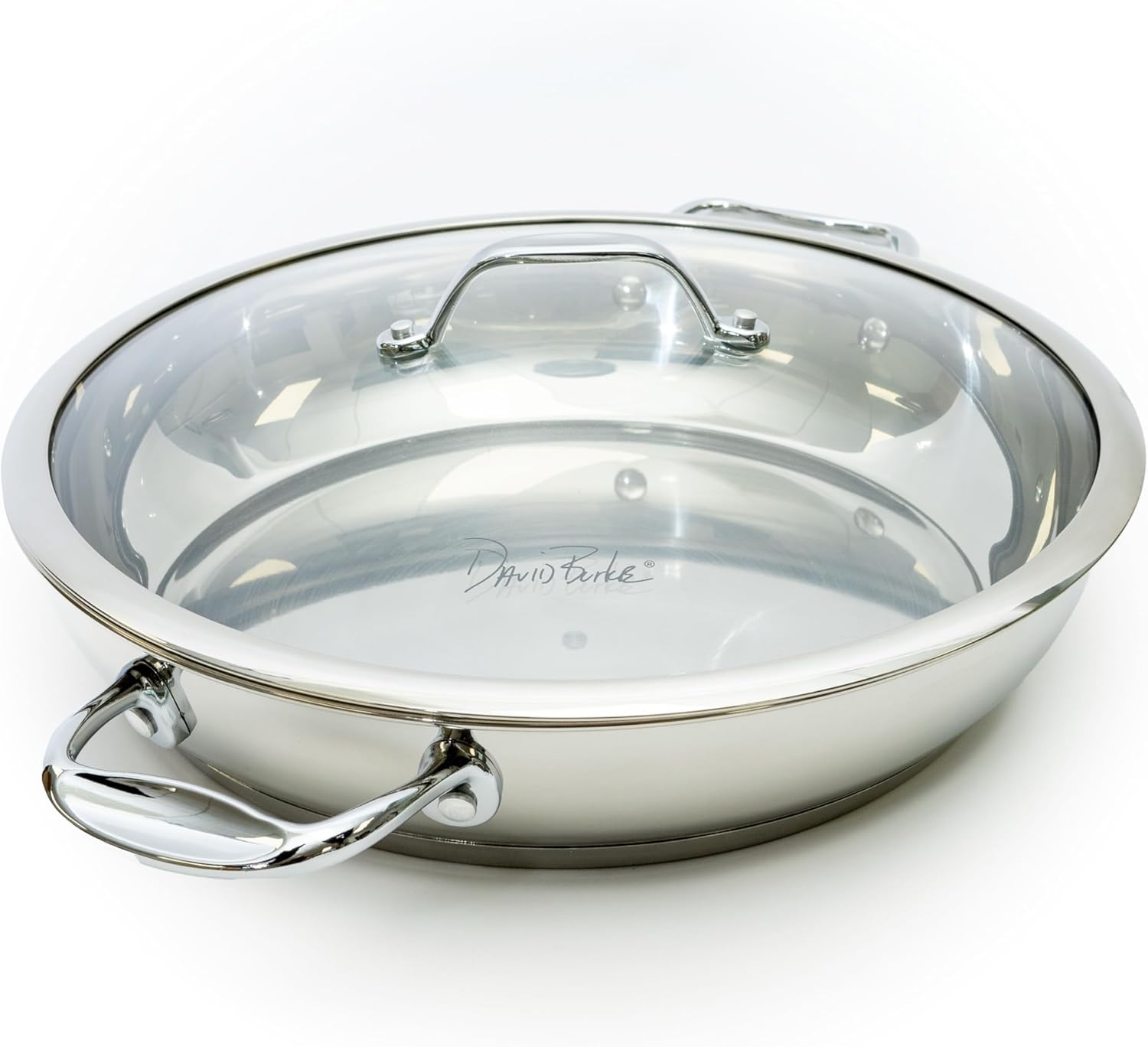
Selecting the right cooking vessels involves matching physical dimensions, thermal ratings, and material properties to your daily meal preparation routines. David Burke stainless steel cookware offers a variety of specialized pieces, from large frying pans to multi-quart sauce pots and ceramic hybrid surfaces, designed for different cooking tasks.
Understanding how handle configurations, weight distribution, and temperature thresholds interact will help you choose items that align with your stove type and recipe requirements. Reviewing the specific physical attributes of each option ensures you invest in cookware that matches your functional needs.
As an Amazon Associate, StacyLaughs earns from qualifying purchases.
Buying guide
Evaluating cookware dimensions and capacity requirements
Choosing the correct pot or pan size depends heavily on your household size and typical meal types. Smaller vessels like 8-inch skillets or 2.5-quart saucepans work well for quick side dishes and single portions. Larger options such as 12.5-inch fry pans and 7-quart Dutch ovens accommodate bulky ingredients and family meals.
Consider your physical storage space and stovetop burner layout when selecting larger diameters. Heavy, wide pots require ample cabinet room and sturdy burner grates to support their loaded weight safely during long simmering sessions.
Understanding material composition and thermal limits
Stainless steel cookware provides durability and high heat tolerance, but specific pieces feature different maximum temperature thresholds. Pure stainless models often withstand oven heat up to 500 degrees Fahrenheit, whereas components with glass lids or specialized coatings may have lower limits.
Reviewing manufacturer temperature ratings ensures you select items that safely transition from stovetop searing to oven baking. Matching the material properties to your baking recipes prevents accidental damage to handles, lids, and non-stick surfaces.
Assessing handle design and weight distribution
The physical weight of a cooking vessel directly affects how comfortable it feels during regular use and cleaning. Lightweight pans under two pounds reduce wrist strain, while heavier multi-pound pots require stable two-handed lifting techniques.
Handle construction also plays a vital role in kitchen safety and control. Riveted handles, solid steel side grips, and ergonomic shapes determine how securely you can maneuver a hot pan filled with liquids or dense food items.
Incorporating specialized lids and pouring features
Lid design can significantly alter your cooking workflow by helping manage moisture and steam release. Vented glass lids allow you to monitor food progress visually while releasing excess vapor to prevent boiling over during simmering tasks.
Integrated strain lids and pouring spouts offer functional advantages when draining liquids from cooked ingredients. Choosing pieces with these features eliminates the need for extra kitchen tools like separate colanders and funnels.
Balancing non-stick coatings with searing surfaces
Deciding between traditional metal surfaces and ceramic hybrid non-stick coatings depends on your preferred cooking methods. Stainless steel sear surfaces excel at developing rich pan fond for sauces, while ceramic coatings prevent delicate foods from sticking.
Hybrid designs attempt to bridge both categories, offering structured sear zones alongside easy food release. Evaluating your daily menu helps determine whether you prioritize effortless cleanup or traditional metallic browning capabilities.
Planning for maintenance and longevity
Proper care routines help preserve the appearance and structural integrity of your stainless steel cookware investment. Following manufacturer guidelines for cleaning and temperature limits prevents warping, discoloration, and premature coating wear over years of heavy use.
Selecting pieces that fit your routine cleaning habits ensures your kitchen stays organized. Durable construction materials resist daily wear, making routine maintenance straightforward after every meal preparation session.
Frequently asked questions
What is the maximum oven safe temperature for these stainless steel pans?
Maximum oven safe temperatures vary by specific model and component construction. Several stainless steel fry pans and Dutch ovens withstand heat up to 500 degrees Fahrenheit, while other saucepans and smaller skillets are rated for up to 400 degrees Fahrenheit. Glass lids included with certain sets typically feature a lower limit of 350 degrees Fahrenheit. Always check the specifications of your exact piece before transferring it into a hot oven.
Are these cookware pieces suitable for ceramic hybrid non-stick cooking?
Certain models, such as specific compact fry pans in this lineup, feature ceramic hybrid non-stick surfaces combined with stainless steel sear zones. These specialized items are designed to provide easier food release while maintaining high heat resistance up to 500 degrees Fahrenheit. Traditional stainless steel models rely on bare metal surfaces for browning and searing rather than non-stick chemical layers, requiring proper preheating techniques to prevent food from sticking.
How do integrated strain lids and pouring spouts help during meal prep?
Integrated strain lids and side pouring spouts simplify the process of draining hot liquids from cooked grains, vegetables, and pan sauces. Strain lids allow you to pour out water directly from the sauce pan without needing an external colander. Similarly, pouring spouts on select frying pans provide clean transfer channels for oils and reduction sauces, minimizing accidental spills and keeping your stovetop cleaner during operation.
What weight differences should I expect among these different cookware options?
Empty weight varies widely depending on the diameter, depth, and material thickness of each item. Smaller hybrid pans and spouted skillets range from 1.4 to 2 pounds, making them light and easy to maneuver with one hand. Larger multi-quart Dutch ovens and heavy-duty fry pans weigh between 5 and 6.2 pounds empty, requiring more upper body strength and often two hands for safe transport when fully loaded with food.
How should I choose between a standard frying pan and a deep Dutch oven?
Choosing between a frying pan and a Dutch oven depends entirely on your recipe requirements and cooking techniques. Frying pans feature wide, shallow bases optimized for searing, browning, and quick stovetop frying tasks. In contrast, deep Dutch ovens offer multi-quart capacities with tall sidewalls and tight-fitting lids, making them the preferred choice for long-simmering stews, braised meats, soups, and large batch boiling.