Appliances · Buying Guide
Best Deep Frying Pan With Lid Options for Everyday Kitchen Tasks
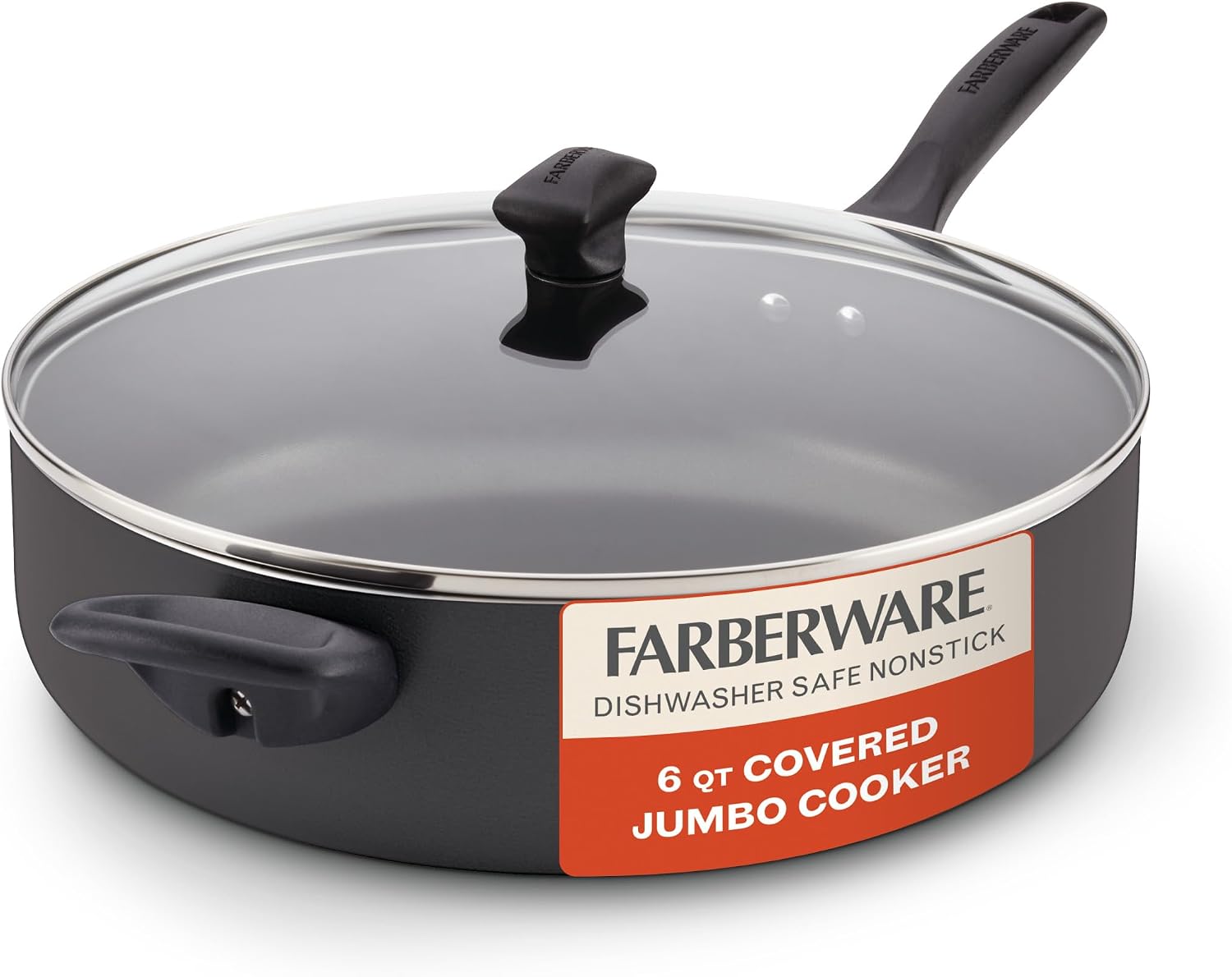
Finding the right deep frying pan with lid can completely transform how you handle weeknight dinners, batch cooking, and weekend family meals. These versatile pans combine the high walls of a traditional cooking pot with the wide surface area of a standard skillet, allowing you to seamlessly transition from searing meats to simmering rich sauces without constantly switching cookware or dirtying extra dishes.
Whether you are upgrading your current kitchen setup or searching for a dedicated vessel for frying, braising, and stir-frying, understanding the core differences in materials, nonstick coatings, and stovetop compatibility will guide your purchasing choice. We examine several notable options available today to help you determine precisely which model fits your specific cooking style, cleanup preferences, and daily culinary routines.
As an Amazon Associate, StacyLaughs earns from qualifying purchases.
Buying guide
Capacity and Depth Requirements
Choosing the correct capacity for your deep frying pan depends heavily on your household size and typical meal preparation habits. Models range from five to six quarts, providing ample room for multi-person dinners, batch cooking, and deep frying without overflow risks. Selecting a larger vessel ensures you can easily submerge foods or simmer bulky ingredients.
Depth is equally vital because high walls prevent grease splatters and contain liquids during aggressive stir-frying or braising tasks. Evaluate how much storage space you have in your kitchen cabinets before committing to an extra-large cooker. Balancing daily meal volume with available kitchen storage guarantees your new pan remains practical for everyday cooking routines.
Material Composition and Heat Distribution
The core material of your deep frying pan dictates how efficiently it captures and distributes thermal energy from the burner. Aluminum and hard-anodized metal cores heat up rapidly, reducing wait times and eliminating frustrating hot spots that can burn food during delicate simmering processes. Tri-ply designs incorporate multiple bonded metal layers for enhanced structural strength and consistent thermal performance.
Heavy-gauge construction prevents warping over years of exposure to fluctuating stovetop temperatures. While heavier materials require more physical effort to lift and transport when filled with food, they offer superior stability on burners. Matching your material preference to your physical comfort ensures a smooth, frustration-free cooking experience.
Nonstick Coating Technologies
Modern nonstick coatings vary widely, ranging from traditional polytetrafluoroethylene options to advanced ceramic layers and titanium-infused surfaces. Selecting a high-quality nonstick interior allows you to cook with minimal oil, supporting lower-fat dietary preferences while keeping delicate foods like eggs and fish intact. Look for formulations certified free of harmful chemicals.
Durability is another critical consideration when evaluating nonstick surfaces. Some advanced hybrid pans feature textured metal matrices that permit the safe use of metal utensils without scratching the underlying nonstick coating. Assessing your typical cooking habits and utensil choices will help determine whether standard protective care or metal-safe scratch defense is necessary for your kitchen.
Stovetop and Oven Compatibility
Stovetop compatibility determines whether a prospective frying pan will function properly on your specific home heating appliance. While traditional aluminum and hard-anodized models work seamlessly on gas and electric coil cooktops, induction ranges require a specialized magnetic steel base to generate heat. Always verify that the exterior pan base matches your exact kitchen setup before making a final purchasing decision.
Oven safety limits are equally important for recipes that require searing on the burner followed by roasting inside the oven. Check the maximum temperature ratings for both the pan body and its accompanying lid, as glass covers frequently tolerate lower heat thresholds than metal handles and vessels.
Handle Ergonomics and Lid Design
Handle design significantly impacts comfort and safety when maneuvering a heavy, food-filled pan across the kitchen. Look for securely riveted handles constructed from heat-resistant materials that stay cool during stovetop use. Auxiliary helper handles are particularly beneficial on larger pans, providing essential balance and control during heavy lifting tasks.
Lids add immense functional versatility by trapping moisture, steam, and heat for effective braising, stewing, and simmering tasks. Tempered glass lids offer the distinct advantage of visual monitoring without letting heat escape, while venting features help prevent accidental boiling over. Confirm that the lid construction complements your preferred cooking techniques and matches your cabinet storage preferences.
Maintenance and Cleaning Procedures
Proper maintenance ensures your deep frying pan maintains its structural performance and nonstick properties over years of regular use. While many modern cookers advertise convenient dishwasher safety, manufacturers frequently recommend gentle hand washing with warm soapy water to extend the lifespan of specialized interior coatings. Assess your personal willingness to perform manual cleanup tasks before buying.
Following manufacturer guidelines regarding temperature limits and cleaning utensils prevents premature wear and surface damage. Avoiding abrasive scouring pads on delicate nonstick interiors preserves the smooth cooking surface. Choosing a pan that aligns with your preferred cleanup routine ensures long-term satisfaction with your kitchen investment.
Frequently asked questions
What can I cook in a deep frying pan with a lid?
A deep frying pan with a lid is an exceptionally versatile kitchen tool designed to handle a wide variety of cooking techniques beyond simple frying. You can use it for shallow frying, deep-frying, searing meats, braising vegetables, simmering rich sauces, stir-frying noodles, and even baking casseroles if the pan is oven-safe. The high walls and included lid trap steam and heat effectively, making it easy to transition from browning proteins to braising stews in a single vessel.
Can I use my deep frying pan on an induction cooktop?
Induction cooktops require cookware featuring a flat, magnetic metal base to generate heat efficiently through electromagnetic fields. Many modern deep frying pans are built with induction-compatible steel bases or heavy-duty aluminum bonded with magnetic plates, but some traditional hard-anodized models lack this specific capability. You must carefully check the manufacturer specifications for your chosen pan to ensure it works with magnetic induction surfaces, because non-induction models will simply fail to heat up on an induction range.
Are nonstick deep frying pans safe for the oven?
Oven safety varies significantly depending on the specific materials used in the pan and its accompanying lid. Many models withstand oven temperatures up to 350 or 400 degrees Fahrenheit, while advanced hybrid pans can endure much higher heat on the body alone. However, tempered glass lids typically carry lower temperature thresholds and must often be removed or swapped out during high-heat baking or broiling tasks. Always consult the exact manufacturer instructions before placing your cookware inside a hot oven.
How should I clean and maintain my nonstick deep frying pan?
Maintaining a nonstick deep frying pan requires careful attention to cleaning methods to preserve the integrity of the coating. Although certain models claim dishwasher safety, hand washing with warm water, mild soap, and a soft cloth is frequently recommended to extend the life of the nonstick surface. Avoid using abrasive scouring pads, steel wool, or harsh metallic utensils unless the manufacturer explicitly states the pan features a metal-safe scratch-resistant coating designed for aggressive cleaning and scraping.
Why is a helper handle important on a large deep frying pan?
A helper handle provides crucial stability and physical support when you are lifting or transporting a large deep frying pan filled with heavy food or hot oil. Because five-quart and six-quart pans hold substantial volume, carrying them with a single main handle can strain your wrist and create safety hazards. The secondary helper handle allows you to use both hands securely, ensuring balanced weight distribution and reducing the risk of accidental spills or drops in a busy kitchen.