Appliances · Buying Guide
Best Dishwasher Safe Nonstick Cookware Sets for Effortless Kitchen Cleanup
Finding the right kitchen tools makes daily meal preparation significantly easier, especially when cleanup time arrives after a busy day of cooking. Modern developments in specialized coating technologies allow home cooks to enjoy effortless food release without spending hours manually scrubbing pots and pans after dinner is finished. Selecting sets designed for modern kitchens streamlines both meal execution and post-cooking maintenance tasks.
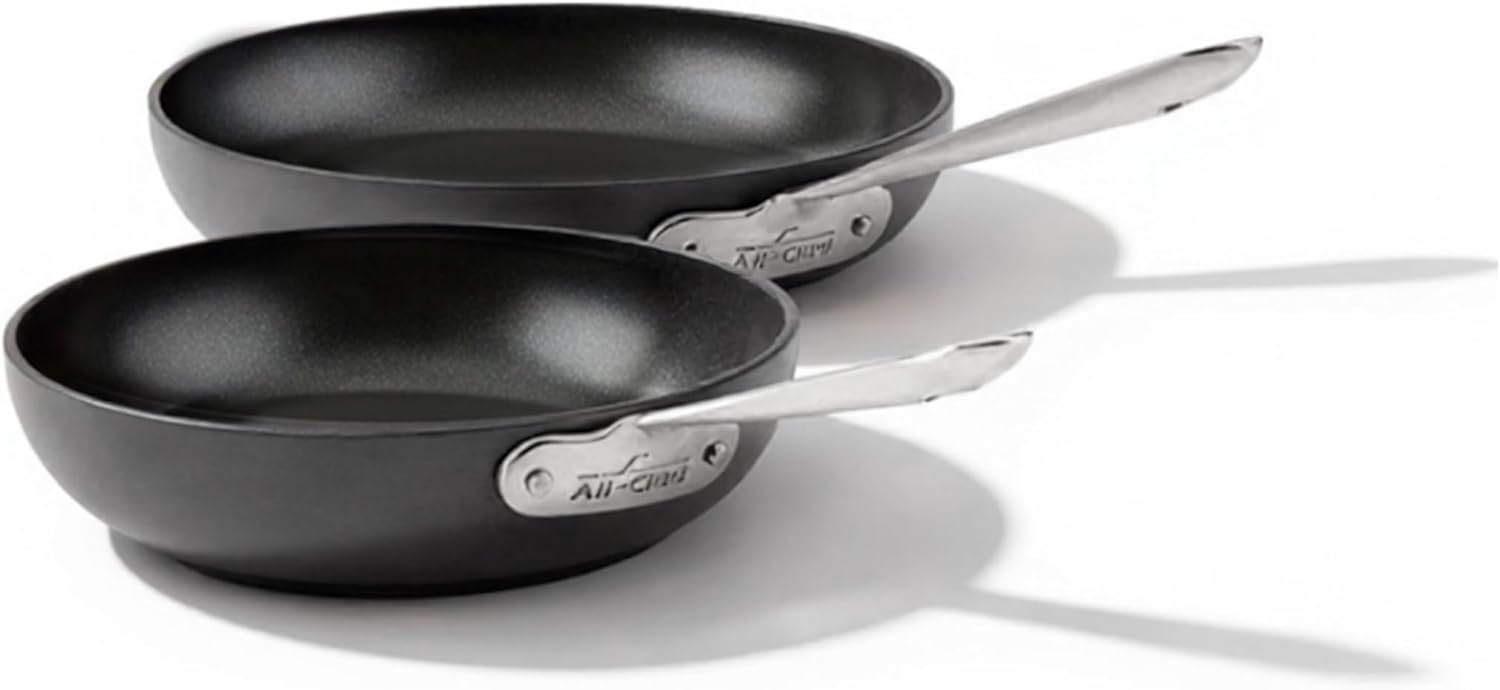
Choosing dishwasher safe nonstick cookware ensures you can transition smoothly from simmering savory sauces and searing meats to loading your kitchen essentials directly into the dishwasher. Reviewing the available options helps match specific material compositions, handle designs, and comprehensive set sizes to your personal cooking routine and home stovetop setup without unnecessary guesswork.
As an Amazon Associate, StacyLaughs earns from qualifying purchases.
Buying guide
Understanding Core Material Construction
Choosing dishwasher safe nonstick cookware begins with evaluating base materials like hard-anodized aluminum or tri-ply stainless steel. Hard-anodized aluminum provides rapid, even heat distribution across the cooking surface without adding excessive weight to individual pots and pans. Tri-ply stainless steel bases incorporate conductive metal layers sandwiched together, delivering robust structural strength and reliable performance on modern heating surfaces.
Assessing how these materials interact with your daily cooking habits helps determine long-term durability. While aluminum options offer quick temperature responses, stainless steel hybrid bodies resist warping under intense heat conditions. Matching material properties to your typical recipes ensures your cookware handles frequent boiling, searing, and simmering tasks gracefully.
Evaluating Stovetop and Oven Compatibility
Checking your kitchen range before purchasing cookware ensures seamless daily operation without frustrating compatibility barriers. Many traditional hard-anodized aluminum sets work effectively on gas, electric coil, and glass-ceramic cooktops but lack compatibility with magnetic induction ranges. If you use an induction cooktop, verify that the product specifications explicitly list induction support before buying.
Temperature ratings also dictate culinary versatility when transitioning meals from the burner directly into the oven or broiler. Certain collections support moderate oven temperatures up to four hundred degrees Fahrenheit, whereas heavy-duty hybrid builds withstand much higher heat levels. Reviewing these threshold limits prevents accidental damage to handles, glass lids, and nonstick coatings over years of service.
Assessing Coating Technologies and Safety
Nonstick surfaces significantly influence daily food release and subsequent cleanup efficiency across all meal types. Modern options include reinforced PTFE, titanium-infused formulas, and diamond-textured ceramic coatings manufactured without intentionally added PFAS compounds. Each coating type offers distinct practical benefits regarding scratch resistance and smooth food sliding, reducing the need for excessive oils or butter during meal preparation.
Understanding utensil compatibility helps maintain these specialized coatings over years of regular household use. While advanced diamond ceramic variants withstand metal utensils, standard nonstick surfaces perform best when paired with silicone, nylon, or wooden tools. Following manufacturer guidelines regarding utensil choices and cleaning methods preserves nonstick efficacy through countless family meals and busy dinner rushes.
Choosing the Right Set Size and Piece Count
Cookware sets range from compact two-piece frying pan assortments to extensive twenty-one-piece collections containing diverse cooking vessels. Selecting the appropriate piece count depends entirely on your household size and typical cooking repertoire. Smaller sets suit single cooks or couples focusing on basic browning tasks, while larger bundles cover complex multi-course meal preparation effortlessly across multiple burners.
Consider included accessories like steamer inserts, griddles, utensil sets, and protective pads when evaluating different product options. Comprehensive kits provide specialized vessels for steaming vegetables or baking eggs, minimizing the need for separate purchases. Balancing your storage capacity against the total piece count ensures your kitchen stays organized without cluttering available cabinet space or pantry shelves.
Evaluating Handle Comfort and Lid Design
Ergonomic handle construction directly affects comfort and safety while transporting heavy pots filled with boiling liquids or dense ingredients. Look for dual-riveted handles featuring silicone grips or stainless steel designs that offer secure holds during active stirring and pouring. Comfortable handles reduce hand fatigue when moving heavy cookware from hot burners to kitchen counters.
Lid design also plays an essential role in daily cooking visibility and internal heat retention. Tempered glass lids let you monitor food progress without lifting the cover and releasing valuable moisture, while stainless steel rims add structural durability against accidental knocks. Vented openings help manage steam pressure during extended simmering sessions.
Understanding Maintenance and Cleaning Guidelines
Although dishwasher safe designations simplify post-cooking cleanup routines, following specific manufacturer maintenance instructions prolongs the lifespan of your nonstick investment. Some brands recommend occasional hand washing with mild dish soap and a soft sponge to preserve delicate coating properties over extended periods, even when general dishwasher compatibility is officially stated in product specifications.
Proper storage practices further protect cookware surfaces from scratches and physical wear inside crowded kitchen cabinets. Utilizing fabric pan protectors or modular storage buckets prevents friction damage between stacked pots and pans. Adhering to these practical maintenance steps ensures your kitchen collection remains reliable and attractive through years of daily meal preparation and family dinners.
Frequently asked questions
Can I use metal utensils with dishwasher safe nonstick cookware?
Utensil compatibility depends entirely on the specific manufacturing materials and coating technologies used in your chosen cookware set. While standard PTFE or titanium nonstick surfaces generally require silicone, nylon, or wooden utensils to prevent scratching, advanced diamond-reinforced ceramic hybrid coatings are explicitly built to withstand metal tools without compromising nonstick performance. Always review the manufacturer guidelines provided with your specific cookware collection before introducing metal spatulas or whisks, as proper utensil selection directly preserves the integrity and lifespan of your nonstick cooking surfaces over years of regular kitchen use.
Are all dishwasher safe nonstick pots and pans compatible with induction cooktops?
No, dishwasher safe nonstick cookware is not automatically compatible with induction cooktops. Traditional hard-anodized aluminum sets rely on non-magnetic base materials that will not heat up on magnetic induction ranges, restricting their use to gas, electric coil, and glass-ceramic cooktops. If your kitchen utilizes an induction surface, you must look for cookware sets that explicitly feature bonded stainless steel bases or induction-compatible disc bottoms. Checking the compatibility specifications before purchasing prevents frustration and ensures your new pots and pans heat properly on your specific stovetop setup.
Do dishwasher safe pots and pans require hand washing for best results?
While many collections feature official dishwasher safe construction to streamline post-meal cleanup, certain manufacturer guidelines suggest occasional hand washing with mild soap and a soft sponge. Dishwasher detergents can sometimes be harsh over long periods, potentially accelerating wear on specialized nonstick coatings or exterior finishes. Hand washing with non-abrasive tools often helps preserve maximum coating longevity and surface appearance. Reviewing the product care instructions allows you to balance daily convenience against recommendations for maintaining optimal nonstick performance over the lifetime of your cookware set.
What temperature limits apply to oven safe nonstick cookware sets?
Oven safety limits vary widely depending on the materials and handle designs of each specific cookware collection. Many standard hard-anodized aluminum sets support oven temperatures up to four hundred degrees Fahrenheit, while professional-grade lines or heavy-duty stainless steel hybrid builds can withstand extreme oven and broiler heat up to eight hundred fifty degrees Fahrenheit. Additionally, tempered glass lids frequently have lower temperature thresholds than the pots themselves, often capping out around three hundred fifty degrees Fahrenheit. Always check specific product thresholds before transferring cookware into hot ovens.
How do detachable handle cookware sets space in small kitchens?
Detachable handle cookware sets feature removable handle mechanisms that detach completely from frying pans, saucepans, and sauté pans during storage. By eliminating protruding handles, these modular systems allow pots and pans to nest directly inside one another without awkward gaps, saving up to seventy percent more cabinet space compared to traditional fixed-handle cookware. This space-saving design also facilitates seamless transitions from stovetop cooking directly into the oven, refrigerator, or serving table with a simple click, making them particularly practical for apartments and compact kitchens with limited storage capacity.