Appliances · Buying Guide
Best Divided Cast Iron Skillet Choices for Portion Baking
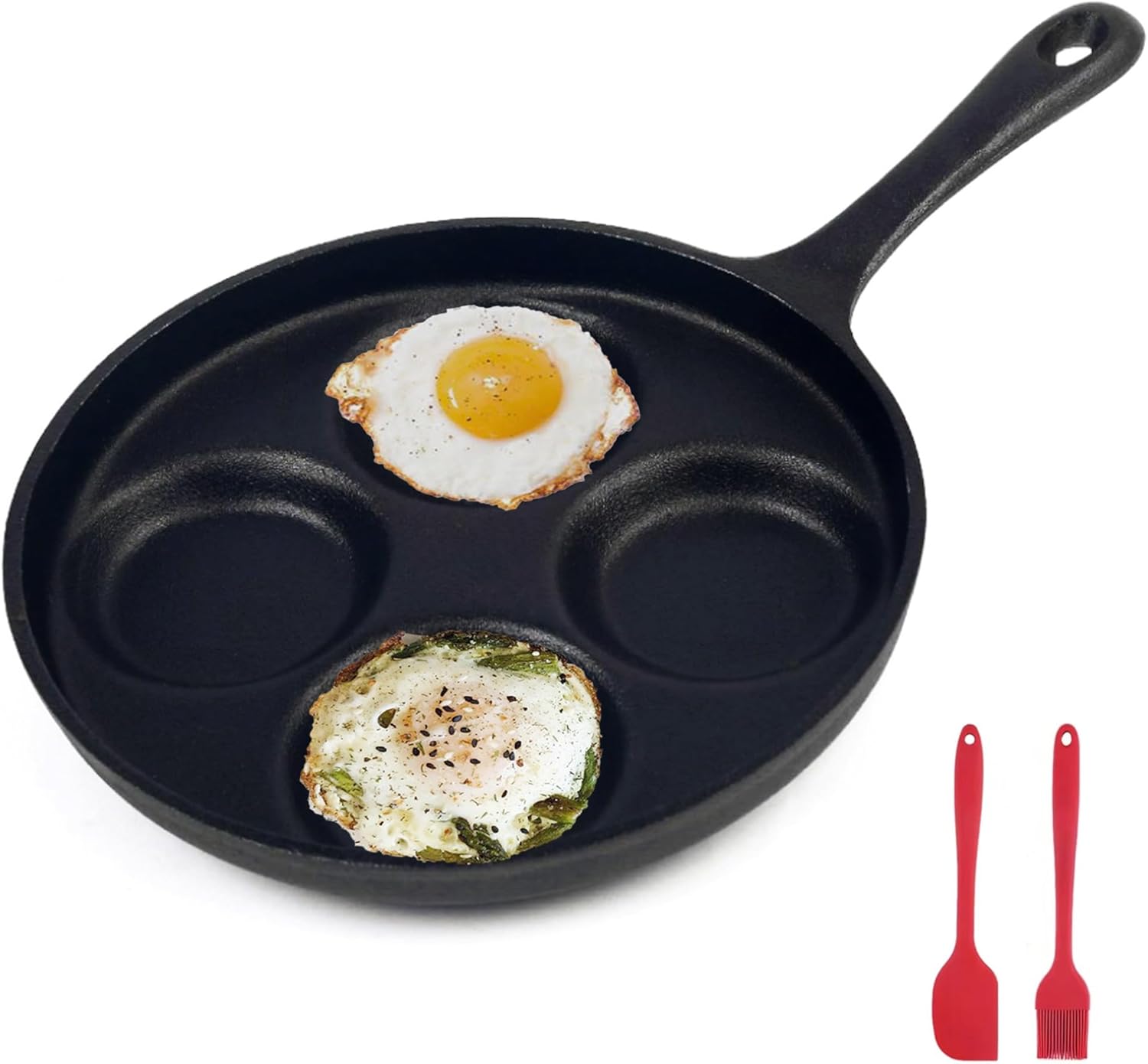
A divided cast iron skillet offers a practical way to bake or cook multiple portions at once while keeping ingredients separated. These specialized pans feature built-in partitions or wedge sections that ensure even heat distribution and clean edges for baked goods. Whether you are preparing breakfast items like eggs and pancakes or baking individual cornbread wedges, these segmented designs eliminate the need for manual slicing after cooking.
Selecting the right divided skillet depends on your specific cooking methods, stovetop compatibility, and portion size requirements. Options range from multi-zone griddles designed for simultaneous searing to dedicated wedge pans built for baking uniform servings. Reviewing the physical dimensions, handle configurations, and seasoning details helps ensure the chosen cookware fits seamlessly into your everyday kitchen routines.
As an Amazon Associate, StacyLaughs earns from qualifying purchases.
Buying guide
Understanding Divided Layouts
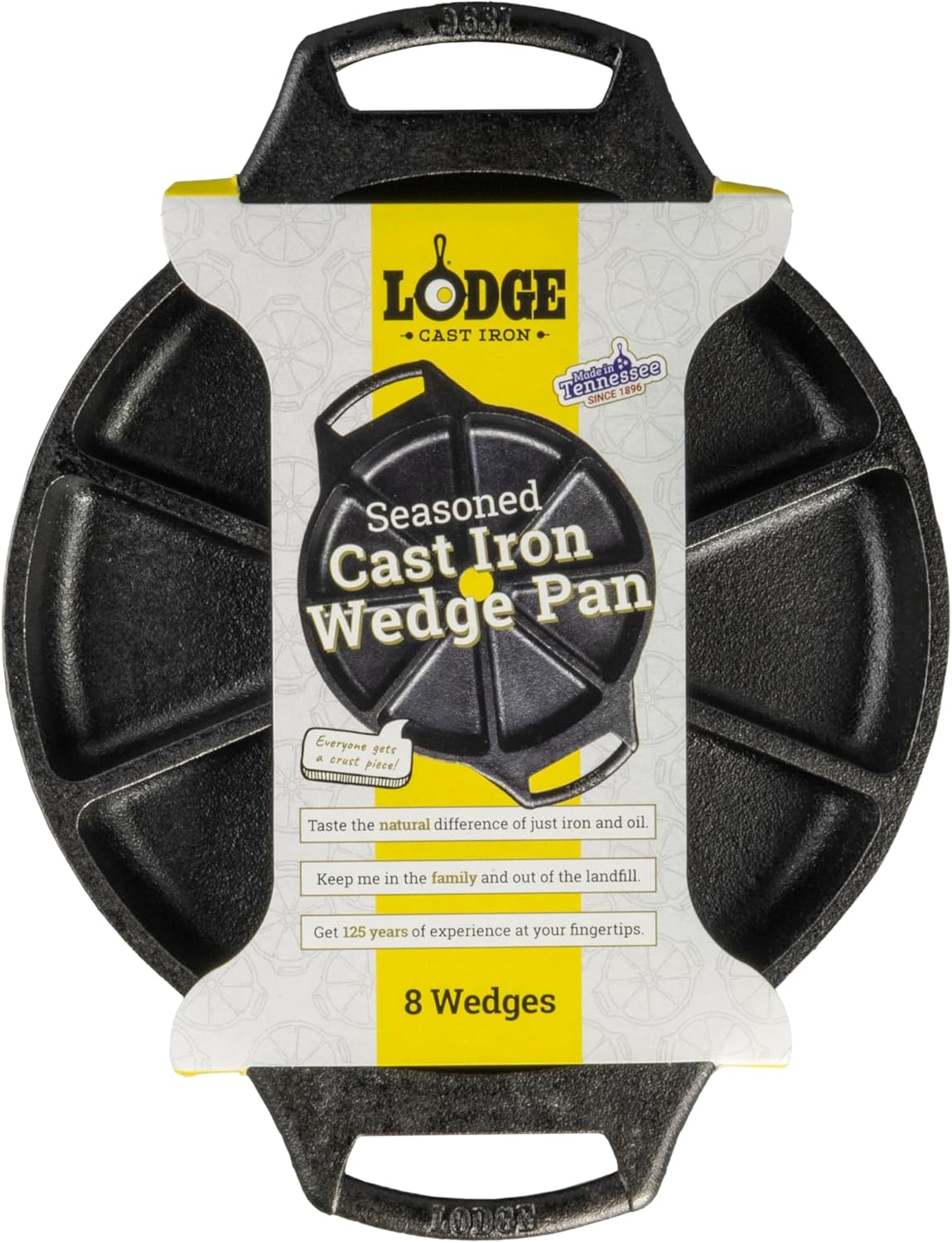
Divided cast iron pans come in several configurations, including multi-zone griddles and dedicated wedge pans. Wedge models feature triangular compartments designed to bake individual portions of cornbread, scones, or cakes with crisp outer crusts.
Multi-zone griddles utilize partitions to separate different food types, such as meats and vegetables, preventing unwanted flavor mixing during cooking. Evaluating your primary recipes helps determine whether a wedge layout or a multi-zone griddle suits your kitchen.
Material and Seasoning Quality
Cast iron construction provides exceptional heat retention and even distribution across all divided sections. Many options arrive pre-seasoned with vegetable or soybean oils, establishing an initial surface for baking and searing.
Proper seasoning maintenance prevents rust and preserves the natural non-toxic performance over years of use. Following manufacturer cleaning guidelines ensures your skillet maintains its functional cooking characteristics through repeated baking cycles.
Handling and Support Design
Managing heavy cast iron requires careful attention to handle placement and structural support. Some divided skillets feature a single extended handle, while others incorporate dual side grips for balanced lifting.
Dual handles offer enhanced security when transferring heavy or fully loaded pans between the oven and the tabletop. Consider your personal lifting preferences and oven mitt clearance before selecting a specific handle style.
Stovetop and Oven Compatibility
Cast iron cookware transitions seamlessly between various heat sources, including gas stovetops, electric coils, ovens, and campfires. Certain divided models explicitly support smooth-surface induction cooktops as well.
Confirming the compatibility of your chosen pan with your specific kitchen appliances ensures safe and efficient heating. Always verify whether the physical dimensions fit comfortably inside your specific oven cavity.
Portion Control and Capacity
Divided pans offer built-in portion management, ranging from four-cup breakfast layouts to eight-wedge baking pans. Individual wedge capacities typically measure around three ounces per section for uniform servings.
Matching the pan capacity to your household size ensures you bake or cook appropriate amounts of food. Excessively large segmented pans may take up unnecessary storage space if you only cook small batches.
Maintenance and Care Requirements
Cast iron requires routine hand washing without harsh detergents to protect the seasoned surface. Drying the pan completely on a warm burner after washing helps prevent moisture accumulation and rust.
Applying a thin layer of vegetable oil after drying maintains the protective seasoning layer. Adhering to these simple care routines ensures your divided skillet remains durable for generations.
Frequently asked questions
Can I use soap when cleaning my divided cast iron skillet?
Most manufacturers recommend hand washing cast iron without harsh detergents to preserve the seasoned surface. Rinsing with warm water and a brush is usually sufficient for removing food debris. If soap is used occasionally, ensure the pan is thoroughly dried and re-seasoned with a thin coat of vegetable oil to maintain its protective finish and prevent any potential rusting over time.
Are divided cast iron pans compatible with induction stovetops?
Compatibility depends on the specific model and its flat-bottom construction. Many cast iron skillets work effectively on gas, electric, and induction cooktops as long as the base makes full contact with the burner surface. Always check the manufacturer specifications for your chosen pan to confirm whether it is approved for smooth-surface induction cooking before placing it on your cooktop.
How do I prevent food from sticking in the divided wells?
Preventing sticking relies on maintaining the pan seasoning and proper pre-heating before adding batter or food. Applying a light layer of vegetable oil or butter to each compartment prior to cooking helps release baked goods cleanly. Regular use and proper hand washing with oil maintenance will naturally improve the non-stick properties of the cast iron surface over time.
What is the advantage of a wedge-shaped divided skillet?
A wedge-shaped divided skillet is specifically designed to bake individual portions like cornbread, scones, or brownies with crispy edges on all sides. The pre-formed partitions eliminate the need to cut baked goods after removing them from the oven, ensuring uniform wedge sizes for serving. This design is ideal for sharing baked treats where consistent crust formation is desired.
How should I store my cast iron skillet to prevent rust?
Store your cast iron skillet in a clean, dry environment after ensuring it is completely moisture-free. Drying the pan on a warm burner immediately after hand washing eliminates hidden water droplets. Applying a very light coating of vegetable oil before storage protects the iron from ambient humidity and keeps the seasoning conditioned for your next cooking session.