Appliances · Buying Guide
Best E Dehillerin Copper Cookware Alternatives and Traditional Sets
Choosing the right copper cookware transforms everyday meal preparation by offering unmatched thermal conductivity and precise heat control across various recipes. Whether you are simmering delicate sauces or searing meats, pure copper responds instantly to temperature adjustments, helping home cooks achieve professional culinary results without scorching ingredients on the stovetop.
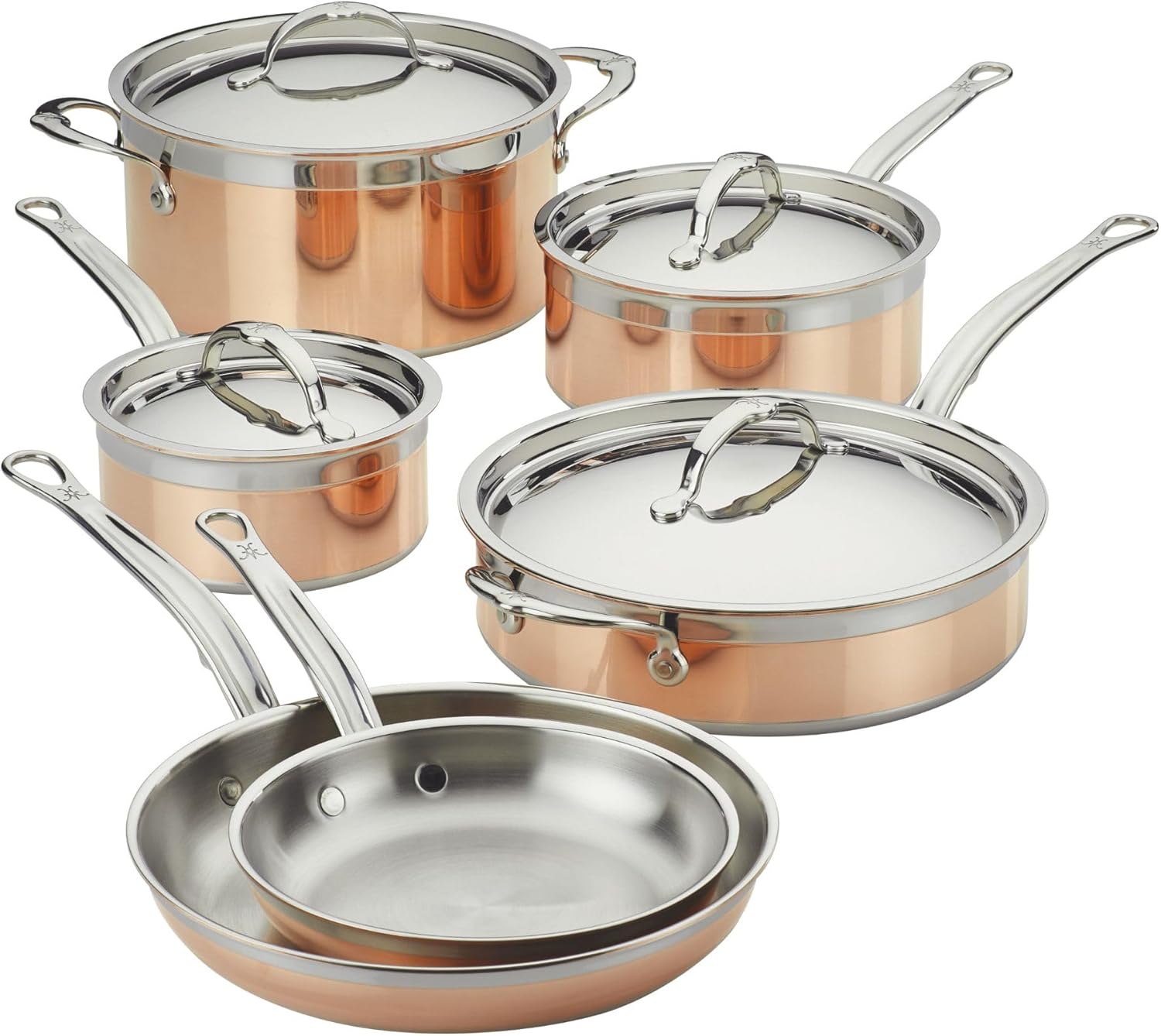
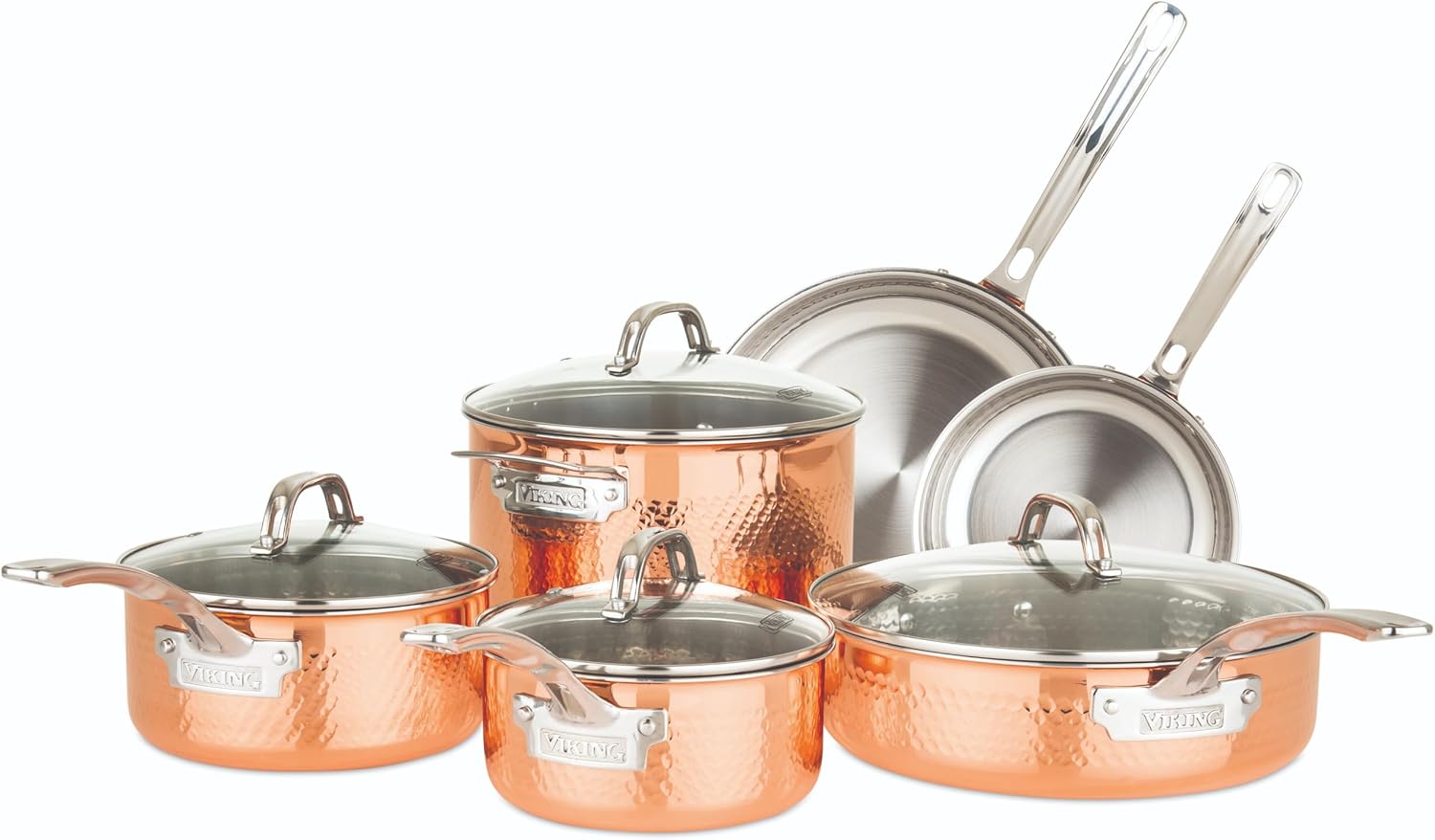
While classic French copper cookware like traditional professional pieces sets the historical standard for restaurant kitchens, modern alternatives offer similar thermal benefits alongside updated compatibility features. Examining various hammered and bonded copper collections helps you select kitchenware that matches your cooking style, modern stovetop type, and routine maintenance preferences for lasting performance.
As an Amazon Associate, StacyLaughs earns from qualifying purchases.
Buying guide
Evaluating Material Composition and Purity Levels
Understanding the metal composition of copper cookware helps ensure you receive the desired thermal conductivity and structural durability. Pure copper delivers rapid temperature responsiveness, while multi-ply bonded options incorporate stainless steel or aluminum layers for added rigidity. Reviewing specifications for copper percentage guides your purchasing decision.
Some pans feature solid copper bodies, whereas others use clad designs to simplify maintenance. Selecting the right balance depends on your willingness to polish exterior surfaces versus your desire for warp-resistant cooking performance across frequent meal prep sessions.
Matching Cooktop Compatibility Requirements
Stovetop compatibility remains a critical factor when shopping for copper kitchenware. Traditional copper pans require gas or electric coil heat sources unless they feature an integrated induction-safe stainless steel base plate. Checking your kitchen setup prevents compatibility issues.
If you use an induction cooktop, look for bonded collections engineered with magnetic exterior layers. Gas users can enjoy traditional solid copper pots without worrying about magnetic base restrictions or specialized bottom engineering.
Interior Lining Types and Safety Considerations
Because raw copper can react negatively with acidic foods, quality copper cookware includes a protective interior lining. Tin and stainless steel represent the most common lining materials, each offering distinct advantages for daily cooking tasks. Tin provides natural release properties.
Stainless steel linings offer superior durability against metal utensils and higher scrubbing tolerance. Consider whether you prefer the traditional cooking nature of tin or the robust scratch resistance of stainless steel for your kitchen.
Assessing Handle Design and Ergonomic Comfort
Handle construction directly affects how safely and comfortably you can maneuver heavy pots and pans around a busy kitchen. Look for securely riveted or welded handles crafted from brass, cast iron, or stainless steel. Ergonomic shapes reduce hand fatigue.
Insulated handles stay cooler during stovetop use, while metal handles withstand high oven temperatures without degrading. Match the handle material to your typical baking habits and lifting preferences for maximum kitchen safety.
Understanding Maintenance and Cleaning Demands
Copper cookware often requires specific care routines to maintain its polished appearance and structural integrity over years of use. Most manufacturers recommend hand washing with mild soap rather than putting copper pots into an automated dishwasher. Proper drying prevents water spots.
Uncoated copper exteriors naturally develop a patina over time due to oxidation. Decide whether you enjoy letting your cookware age naturally or if you prefer spending time polishing the exterior to keep it bright.
Selecting the Right Capacity and Piece Assortment
Choosing between individual pans and comprehensive cookware sets depends entirely on your household size and cooking habits. Stock pots range from four to eight quarts, while skillets vary from compact fry pans to wide sauté models. Assessing your recipes helps.
Buying a multi-piece set ensures you have matching vessels for sauces, sautés, and large batches of soup. Individual pieces suit cooks looking to test copper performance before committing to a full collection.
Frequently asked questions
Why is copper cookware lined with tin or stainless steel?
Raw copper reacts chemically with acidic ingredients such as tomatoes, citrus, and vinegar, which can alter food flavors and degrade the metal. Lining the interior with food-safe tin or durable stainless steel creates a nonreactive barrier between your ingredients and the copper body. This protective layer ensures safe food preparation while preserving the rapid thermal conductivity of the copper core beneath.
Can copper cookware be used on induction cooktops?
Traditional copper is non-magnetic, meaning standard copper pots will not work on induction burners unless they feature a specialized magnetic stainless steel base or bonded exterior layer. When shopping for induction use, check product specifications for induction compatibility ratings. Modern bonded copper collections successfully bridge this gap by incorporating magnetic stainless steel outer layers into their multi-ply construction.
How do I clean and maintain copper pots and pans?
Most copper cookware manufacturers recommend hand washing with mild dish soap and warm water, followed by immediate drying with a soft cloth to prevent water spots. Avoid putting copper pots in the dishwasher, as harsh detergents can pit the metal and ruin exterior finishes. Uncoated copper exteriors will naturally darken over time, requiring periodic cleaning with specialized copper cleaner if you prefer a polished shine.
What are the benefits of choosing pure copper over aluminum?
Pure copper offers superior thermal conductivity compared to standard aluminum, allowing pots and pans to heat up much faster and respond instantly to temperature adjustments. This rapid response prevents hot spots and gives home cooks precise control when simmering delicate sauces or caramelizing sugar. Additionally, high-purity copper collections bring timeless aesthetic appeal and long-lasting durability to home and professional kitchens alike.
Do copper frying pans require special cooking utensils?
Pans lined with soft metals like tin require non-metal utensils such as wood, silicone, or heat-resistant plastic to prevent scratching or wearing down the protective interior coating. Conversely, cookware collections featuring stainless steel interior linings tolerate metal utensils safely without risking damage to the cooking surface. Always check the specific manufacturer guidelines for your cookware lining before using metal whisks or spatulas.