Appliances · Buying Guide
Best Enameled Cast Iron Frying Pan Options for Everyday Stovetop and Oven Cooking
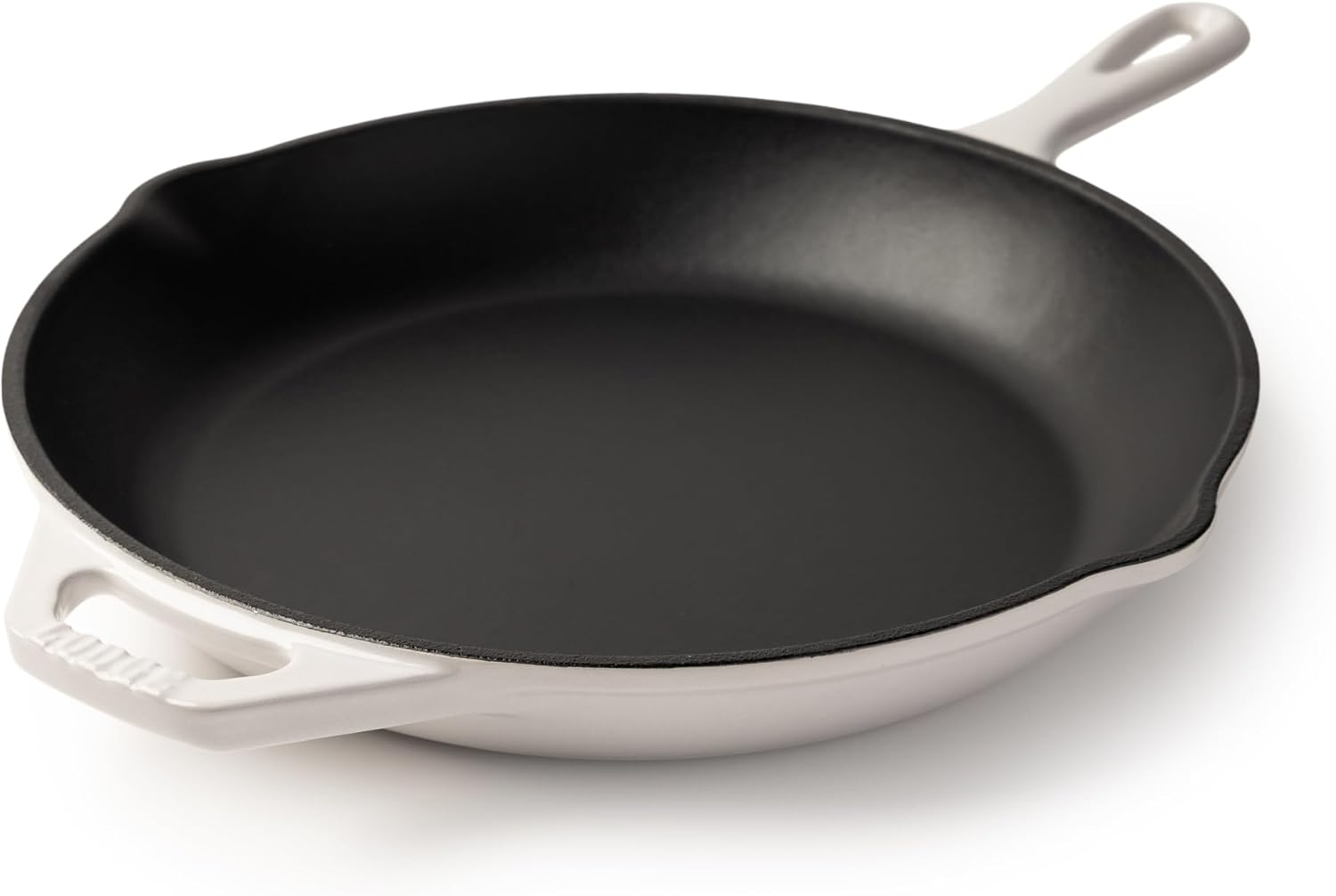
Finding the right enameled cast iron frying pan involves balancing size, heat retention, and cleaning preferences. These versatile skillets transition smoothly from stovetop burners to hot ovens and outdoor campfires. Manufacturers coat durable cast iron cores with smooth porcelain enamel finishes, eliminating traditional seasoning requirements while maintaining reliable thermal performance across daily meal preparations.
Exploring available options reveals distinct capacities, handle configurations, and color finishes designed to fit diverse kitchen aesthetics and cooking styles. Whether searing meats at high temperatures or baking delicate casseroles, understanding specific physical dimensions and care guidelines ensures you select cookware tailored precisely to your culinary routines without unnecessary complications or maintenance hurdles.
As an Amazon Associate, StacyLaughs earns from qualifying purchases.
Buying guide
Material and Coating Construction
Selecting an enameled cast iron frying pan begins with understanding its core material and protective coating. Manufacturers combine heavy cast iron cores with porcelain enamel layers. This combination delivers exceptional heat retention while eliminating the traditional seasoning steps required by raw cast iron cookware. The smooth enamel surface prevents rust and stops food flavors from absorbing into the metal.
Buyers should examine whether the interior features glossy or matte enamel finishes. Matte textures often provide slight grip for searing meats, while glossy surfaces clean up rapidly. Neither option requires oil seasoning before first use. Reviewing these construction details helps match your cooking style with a pan that withstands daily thermal stress without requiring complex maintenance routines.
Sizing and Capacity Considerations
Pan dimensions directly influence cooking volume and storage convenience across different kitchens. Smaller eight-inch models hold roughly one quart, fitting personal portions and compact camping stoves easily. Ten-inch and eleven-inch variations offer expanded surface areas for multi-portion meals, searing larger steaks, and baking family-sized dishes. Matching the physical diameter to your typical serving size prevents overcrowding ingredients during cooking.
Consider how physical footprints affect cabinet storage and burner stability. Wider pans require more shelf clearance and demand appropriately sized heating elements to distribute heat evenly. Evaluating your daily recipe volume ensures you select a capacity that satisfies your household needs without handling unnecessary weight.
Handle Design and Grip Accessories
Handle configurations dictate comfort and safety when transporting heavy cast iron cookware between surfaces. Some models feature integrated cast iron loops or wide handles that withstand high broiler temperatures without degrading. Other versions incorporate removable silicone handle covers designed to protect hands from ambient heat during stovetop use while remaining flexible for cleaning.
Assess whether you prefer all-metal grips for high-heat oven baking or silicone additions for everyday stovetop comfort. Removable covers offer versatility but require separate washing, whereas solid metal handles demand protective oven mitts during active cooking phases.
Pour Spouts and Liquid Management
Dual pour spouts add notable functionality for cooks who frequently drain cooking oils, pan drippings, or sauces. These indented lips allow clean pouring directly from the skillet without creating messy kitchen countertops. Models equipped with spouts simplify tasks like transferring surplus grease or serving savory reductions straight to plates during indoor cooking or outdoor camping.
Skillets lacking pour spouts feature completely sealed rims, which can trap liquids securely but require auxiliary tools for fluid removal. Determine whether your recipes involve frequent liquid drainage or sauce pouring to decide if spouts are essential for your daily workflow.
Cooktop and Oven Compatibility
Versatility across heating appliances remains a primary advantage of enameled cast iron cookware. Most quality options support gas, electric coil, and induction cooktops seamlessly. Additionally, many pans transition directly into ovens, enduring high baking temperatures up to five hundred degrees Fahrenheit. This broad compatibility allows users to sear meats on burners before finishing dishes under broilers or inside ovens.
Always verify specific temperature limits and cooktop requirements before purchasing. Ensuring your chosen pan supports your specific kitchen stove and desired baking temperatures guarantees safe transitions from stovetop to oven without thermal shock risks.
Cleaning and Maintenance Guidelines
Maintenance requirements vary based on the specific manufacturing finish and manufacturer instructions. Several enameled cast iron skillets feature dishwasher-safe construction for fast cleanup, while others recommend traditional hand washing to preserve exterior and interior coatings over time. Because porcelain enamel resists rust, owners never need to apply seasoning oils after washing.
Reviewing care guidelines helps preserve your cookware investment through years of daily meal preparation. Following manufacturer recommendations for cleaning prevents surface damage and ensures your frying pan maintains its functional and visual appeal indefinitely.
Frequently asked questions
Do enameled cast iron frying pans require seasoning before use?
No, enameled cast iron frying pans do not require seasoning. The porcelain enamel coating baked onto the cast iron core creates a smooth, non-porous cooking surface right out of the box. Unlike traditional raw cast iron, which relies on baked-on oil layers to prevent sticking and rust, enamel surfaces protect the metal naturally. You can start cooking immediately after a simple initial wash. This lack of required seasoning saves time and removes ongoing maintenance steps for busy home cooks.
Can these enameled cast iron skillets be used on induction cooktops?
Yes, enameled cast iron skillets work exceptionally well on induction cooktops. Because the underlying core is constructed from heavy cast iron, it interacts with the magnetic field generated by induction burners to distribute heat rapidly and evenly. This magnetic compatibility applies across most standard enameled frying pans designed for modern kitchens. Always verify the manufacturer specifications to confirm induction support, ensuring efficient heating performance whether you are searing meats, frying eggs, or simmering sauces.
Are enameled cast iron frying pans safe for oven and broiler use?
Many enameled cast iron frying pans are fully safe for oven and broiler applications, often supporting temperatures up to five hundred degrees Fahrenheit. This allows you to start a recipe on the stovetop and finish it inside a hot oven without changing cookware. However, accessories like removable silicone handle covers must be taken off before placing the pan into high-heat ovens or broilers. Always check the specific maximum temperature ratings provided by the manufacturer before baking.
How should I clean my enameled cast iron frying pan?
Cleaning methods depend on the specific product guidelines provided by the manufacturer. Several enameled skillets feature dishwasher-safe construction for easy automated cleaning, while others explicitly recommend gentle hand washing with warm soapy water and a non-abrasive sponge. Avoid using metal scouring pads or harsh abrasive cleaners, as these can scratch or dull the porcelain enamel surface. Allowing the pan to cool completely before washing prevents thermal shock and preserves the durability of the protective enamel coating.
What are the advantages of having dual pour spouts on a skillet?
Dual pour spouts provide significant convenience when you need to drain accumulated cooking fats, pour pan sauces, or serve liquids directly from the frying pan. These indented lips on opposing sides allow left-handed and right-handed cooks to guide liquids smoothly without spilling over the rim onto countertops. While pans without spouts offer completely sealed edges, models with dual spouts add functional versatility for tasks involving greases, gravies, or outdoor campfire cooking where minimizing mess is essential.