Appliances · Buying Guide
Best Enameled Cast Iron Saucepan for Every Kitchen Routine
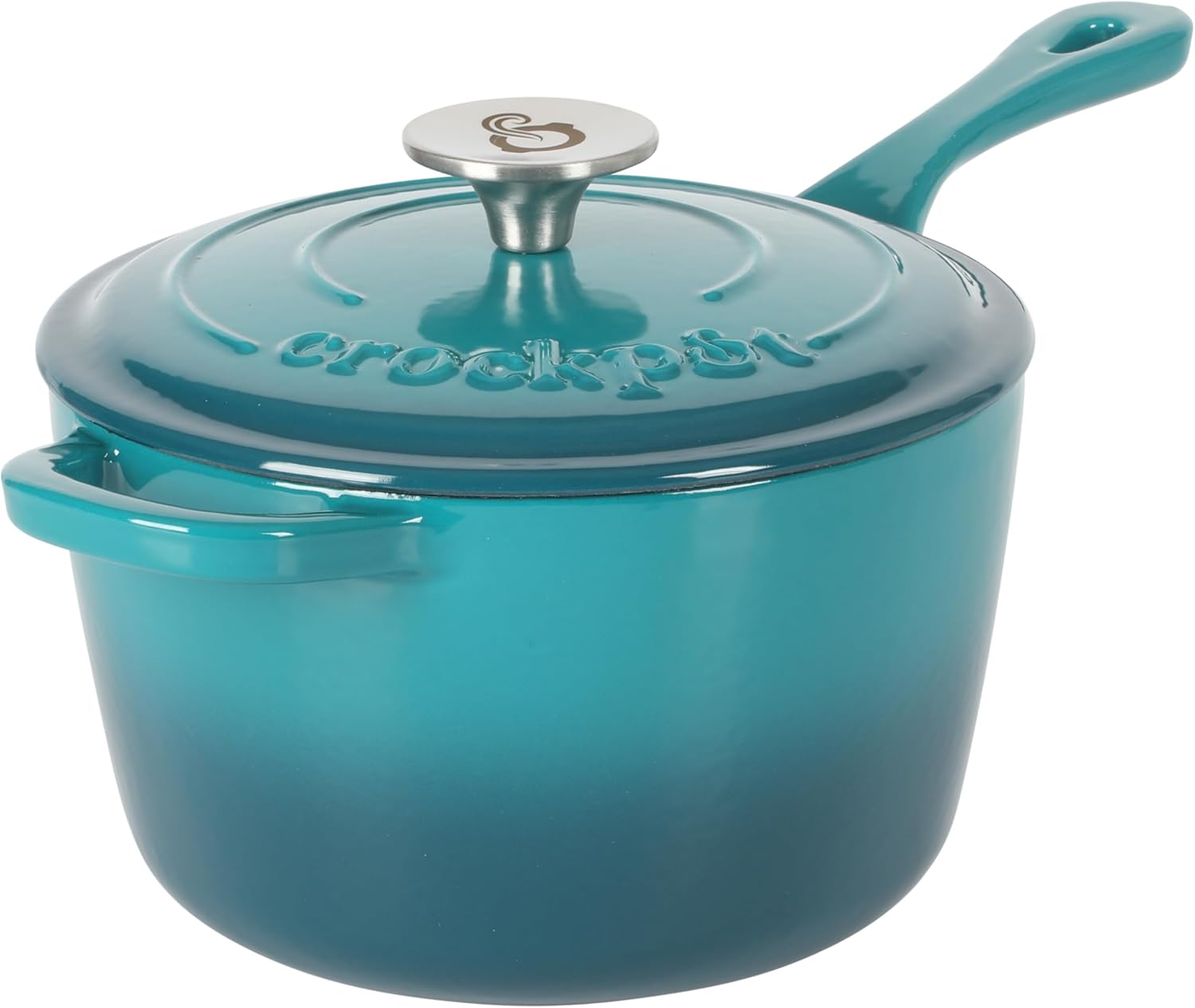
Enameled cast iron saucepans combine the steady thermal retention of traditional metal cookware with smooth, protective enamel coatings that eliminate the traditional need for seasoning. These versatile pots handle everyday kitchen tasks ranging from simmering delicate dairy and warming broths to reducing rich, savory sauces across gas, electric, induction, and ceramic stovetops without absorbing lingering food odors or metallic tastes.
Choosing the right model depends heavily on your typical portion sizes, preferred handling features, and maximum oven temperature requirements. Reviewing specific capacity ratings, lid designs, and exterior finishes helps match a functional pot to your specific cooking routine, ensuring reliable performance for single-portion meals or family-sized side dishes alike without unnecessary complications.
As an Amazon Associate, StacyLaughs earns from qualifying purchases.
Buying guide
Capacity and Portion Sizing
Selecting the proper capacity in an enameled cast iron saucepan depends directly on your household size, kitchen storage availability, and typical daily recipes. Smaller one-quart models work exceptionally well for single-serving tasks like warming milk, melting butter, or preparing modest portions of grains without taking up excessive burner space during busy meal preparation times.
Larger two-to-three-quart versions comfortably accommodate multi-portion soups, complex sauce reductions, and family-style side dishes. Matching the pot volume to your routine meal requirements prevents dangerous liquid overcrowding and ensures consistent thermal performance across various stovetops, making your cooking process efficient, predictable, and precisely tailored to everyday dining needs.
Heat Distribution and Retention
Cast iron core construction delivers exceptional heat distribution across the entire base and walls of the saucepan. This inherent material property eliminates localized hot spots, ensuring that delicate sauces simmer evenly without requiring constant, tedious manual stirring or sudden temperature adjustments on your gas or electric stovetop burners.
Furthermore, superior thermal retention keeps food warm long after the burner has been turned off, allowing seamless transitions from active cooking to resting stages. Understanding how your chosen pot manages thermal energy helps you control simmering speeds and prevents scorching during long reduction processes.
Enamel Coating and Maintenance
The smooth enameled exterior and interior finishes eliminate the traditional seasoning requirements associated with raw cast iron cookware. This protective glass-like layer resists the absorption of acidic food flavors, metallic tastes, and lingering odors, making it safe for tomatoes, citrus, and dairy ingredients alike during everyday meal preparation tasks.
Cleaning requires simple hand washing with mild detergents and soft sponges to preserve the glossy finish against chipping or scratching. Avoiding abrasive metal scouring pads ensures your saucepan maintains its smooth surface texture and vibrant color over years of dependable kitchen service.
Lid Design and Moisture Control
Tight-fitting lids play a vital role in capturing steam and recycling moisture back onto the food inside the saucepan. Many enameled models incorporate specialized self-basting features, such as raised nubs or ridges underneath the lid surface, which effectively collect rising condensation and drip it uniformly downward.
This continuous moisture circulation prevents delicate broths, grains, and simmering sauces from drying out during prolonged cooking sessions. Evaluating how a lid seals against the rim helps you maintain ideal hydration levels without constantly lifting the cover to check fluid amounts.
Handle Ergonomics and Safety
Ergonomic handles and secure gripping loops provide essential balance when lifting heavy cast iron saucepans filled with hot liquids. Look for features like anti-slip loops, sturdy side grips, or well-proportioned long handles that accommodate oven mitts comfortably during kitchen transport from burners to countertops.
Handle material also dictates maximum oven safety limits, as stainless steel knobs withstand higher temperatures than standard plastic or composite alternatives. Verifying these physical specifications ensures you can safely transition dishes from stovetop searing directly into hot baking environments.
Stovetop and Oven Compatibility
Modern enameled cast iron saucepans generally offer wide compatibility across gas, electric, ceramic, and induction cooktops. The flat heavy bottoms establish stable contact with glass-ceramic burner surfaces, while magnetic iron cores interact efficiently with induction fields to generate rapid, even bottom heating.
Oven safety ratings vary by model, with many pots handling temperatures up to 450 or 500 degrees Fahrenheit safely. Checking these precise temperature limits ensures your cookware adapts seamlessly to recipes requiring finishing steps inside a hot oven environment.
Frequently asked questions
Do enameled cast iron saucepans require seasoning before use?
No, enameled cast iron saucepans feature a smooth glass-like ceramic coating that completely eliminates the traditional seasoning requirement of raw cast iron. You can use the pot straight out of the box for cooking acidic ingredients like tomato sauce or dairy without worrying about rust formation. Cleaning requires only mild dish soap and a soft sponge, making maintenance straightforward and hassle-free compared to traditional unsealed cast iron cookware collections.
Can I use metal utensils with an enameled cast iron saucepan?
Compatibility with metal utensils depends entirely on the specific manufacturer guidelines provided for your chosen saucepan model. While certain premium enameled pots feature durable surfaces that safely accommodate metal tools, many options recommend using silicone, wood, or plastic utensils to prevent potential scratching or chipping of the glossy interior finish. Always review the product specifications before introducing metal spoons or whisks to maintain the long-term appearance and integrity of the coating.
Are enameled cast iron saucepans compatible with induction cooktops?
Yes, nearly all enameled cast iron saucepans work exceptionally well on induction cooktops because their heavy cast iron core is naturally magnetic. The flat, sturdy base establishes direct contact with glass-ceramic induction zones, allowing the cookware to generate rapid and even heat distribution efficiently. This makes them a reliable choice for induction users who want steady thermal retention without dealing with warped metal bottoms during delicate simmering tasks.
How do I clean stubborn food residue from my enameled saucepan?
Cleaning tough or burnt food residue from an enameled cast iron saucepan is simple if you avoid harsh steel wool or abrasive metal scouring pads. Instead, soak the pot in warm, soapy water for one to two hours to loosen baked-on particles naturally. You can also apply a paste of baking soda and water to stubborn stains, gently wiping the surface clean with a non-scratch sponge to restore the glossy exterior and interior shine.
What is the maximum oven temperature these saucepans can withstand?
Maximum oven temperature limits vary across different enameled cast iron saucepan models, typically ranging from 450 to 500 degrees Fahrenheit. The limit is often dictated by the material composition of the lid knob, with stainless steel options generally supporting higher or unlimited baking temperatures compared to standard composite handles. Always verify the manufacturer temperature specifications before placing your saucepan into a hot oven to prevent damaging the handle or the protective enamel coating.