Appliances · Buying Guide
Best Farberware 3 Quart Saucepan Choices for Everyday Cooking
Finding the right cookware for daily meal preparation involves balancing reliable heat distribution, effortless cleaning convenience, and appropriate volume capacity. A three-quart saucepan provides enough room for boiling vegetables, simmering savory sauces, or preparing side dishes without taking up excessive stovetop space in busy home kitchens.
Farberware and comparable cooking options offer distinct features like integrated straining lids, thick aluminum core bases, and durable nonstick surfaces. Examining specific construction materials, specialized lid designs, and comfortable handle configurations helps match a functional cooking vessel securely to your everyday routine and stovetop requirements.
As an Amazon Associate, StacyLaughs earns from qualifying purchases.
Buying guide
Understanding Stovetop Compatibility and Base Construction
When selecting a three-quart saucepan, examining the base construction is essential for achieving even heat distribution across burners. Full cap bases featuring aluminum cores layered within stainless steel help prevent hot spots that can scorch delicate sauces or burn grains. Buyers should verify whether their chosen cookware supports induction cooktops if they use magnetic glass-ceramic ranges at home.
Aluminum-bodied saucepans offer rapid thermal response times, making them popular for quick heating tasks. However, matching the base material to your specific stove type ensures long-term durability and consistent cooking results across daily meal preparation routines without unexpected warping or energy inefficiencies.
Evaluating Interior Coatings and Food Release Surfaces
Interior surface materials dictate how easily food releases from the pan and how straightforward cleanup becomes afterward. Stainless steel interiors provide a durable, unreactive cooking surface suitable for browning, simmering, and deglazing without altering natural food flavors. These metal surfaces withstand higher heat levels and metal utensils safely.
Nonstick interior coatings offer effortless food release for sticky ingredients like melted cheese, caramel, or scrambled eggs. Buyers prioritizing minimal cleanup time often favor nonstick options, provided they use non-abrasive tools and moderate heat settings to preserve the coating integrity over years of regular kitchen use.
Comparing Lid Styles and Integrated Straining Features
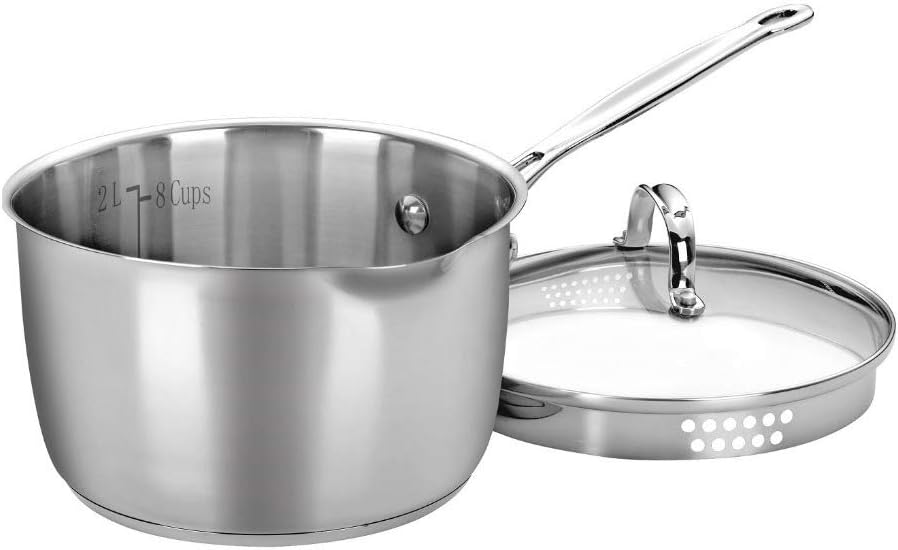
Lid design significantly impacts moisture retention and workflow efficiency during boiling and simmering tasks. Self-basting lids with rolled rims trap steam effectively to keep grains tender and flavorful. Some specialized saucepan lids feature built-in straining holes and dual pour spouts, eliminating the need for a separate colander.
Glass lids allow home cooks to monitor cooking progress visually without lifting the cover and losing valuable heat. Solid stainless steel lids offer traditional styling and rugged durability, withstanding oven temperatures securely while maintaining consistent internal pressure during extended simmering sessions.
Assessing Handle Ergonomics and Supporting Hardware
Comfortable handles ensure a confident grasp when lifting a filled three-quart saucepan off the burner. Riveted stainless steel handles provide robust structural attachment, minimizing wobbling over time. Some professional-style saucepans include secondary helper handles that offer extra balance during heavy liquid transfers.
While plastic or silicone grips remain cool to the touch during stovetop use, metal handles offer higher oven-safe temperature tolerances. Buyers must weigh their preference for cooler handle grip materials against maximum oven temperature limits when baking or finishing dishes.
Managing Storage Space and Kitchen Footprint
A three-quart capacity provides ample volume for family-sized side dishes, yet exterior dimensions and handle lengths vary among models. Measuring cabinet clearance, shelf spacing, and pot rack capacity prevents storage frustrations. Single saucepans take up minimal space compared to comprehensive multi-piece cookware sets.
Evaluating whether your storage area accommodates helper handles, lid knobs, or wide rim profiles ensures the cookware fits neatly into your kitchen layout. Storing pans with hanging loops or nesting compatible sizes together helps maximize available cabinet organization space efficiently.
Balancing Oven Safety and Cleanup Convenience
Many modern saucepans feature oven-safe construction up to moderate temperature thresholds like 350 degrees Fahrenheit. This capability enables seamless transitions from stovetop searing to oven baking or keeping dishes warm before serving. Verifying maximum temperature ratings ensures safe handling during multi-step recipes.
Dishwasher-safe designations simplify post-meal cleanup routines for busy households. While stainless steel and certain nonstick pans tolerate automatic dishwashing, following manufacturer guidelines regarding specific cleaning agents and nonstick care helps maintain the appearance and performance of your cookware.
Frequently asked questions
What can I cook in a three-quart saucepan?
A three-quart saucepan provides versatile capacity for boiling small batches of pasta, steaming vegetables, simmering marinara sauces, cooking rice or grains, and warming soups. Its volume is large enough for family side dishes without taking up excessive space on crowded stovetops. You can also use it for making homemade gravies, melting butter, or reducing stocks. The mid-size volume bridges the gap between small one-quart warmers and large stockpots, making it one of the most frequently used vessels in home kitchens.
Are stainless steel saucepans safe to use on induction cooktops?
Many stainless steel saucepans feature full cap bases with thick aluminum cores that offer induction compatibility, but compatibility depends entirely on the specific base construction. Manufacturers explicitly state whether a stainless steel pan works with magnetic induction ranges. It is important to check the product specifications before purchasing if you cook on an induction cooktop, as pans lacking a magnetic outer layer will not heat up on magnetic burners.
How do I clean a saucepan with a nonstick interior?
Cleaning a nonstick saucepan requires gentle care to protect the coating from scratches and degradation. Allow the pan to cool completely before washing to prevent thermal shock warping. Use mild dish soap, warm water, and a soft sponge or cloth rather than abrasive scouring pads or steel wool. Although many nonstick pans are dishwasher safe, hand washing typically extends the lifespan of the nonstick coating. Avoid using metal utensils inside nonstick pans to prevent surface scratching.
Can I put my Farberware saucepan in the oven?
Many Farberware stainless steel and nonstick saucepans are oven safe up to 350 degrees Fahrenheit, allowing you to transition dishes directly from the stovetop to the oven for baking or keeping food warm. Always check the specific manufacturer guidelines for your exact model, as handle materials and lid components dictate maximum temperature tolerances. Exceeding the stated temperature limit can damage handles, knobs, or nonstick coatings.
What are the benefits of a straining lid on a saucepan?
A straining lid features built-in drainage holes or strainer perforations paired with pour spouts on the pan rim. This design allows you to drain boiling water from vegetables, pasta, or potatoes directly through the lid without needing a separate handheld colander. It reduces the number of dirty dishes generated during meal preparation and simplifies the pouring process by keeping food securely inside the pan while liquid escapes safely through the designated spout alignment.