Appliances · Buying Guide
Best Farberware Saute Pan With Lid Options For Every Kitchen
Finding the right cookware for daily family meals involves looking closely at core materials, internal capacity, and overall heating performance. Farberware offers diverse saute pan options designed to handle various cooking styles, from browning meats to simmering large batch recipes effortlessly on standard kitchen cooktops, ensuring reliable performance across numerous home cooking tasks.
Whether you prefer the classic look of mirror-finished stainless steel or the easy cleanup of advanced nonstick aluminum coatings, understanding your cooking habits helps narrow down the ideal choice. Each model brings distinct handling features, secure helper handles, and matching lids to your kitchen setup for seamless daily meal preparation without unnecessary complication.
As an Amazon Associate, StacyLaughs earns from qualifying purchases.
Buying guide
Core Material Selection
Choosing the right core material dictates how quickly your saute pan heats up and how well it retains thermal energy during cooking. Stainless steel models provide mirror-finished durability and classic appeal, while aluminum options distribute heat rapidly across the entire cooking base. Evaluating your stove type and everyday cooking habits helps determine whether stainless steel or aluminum suits your kitchen routines best.
Hard-anodized aluminum variations offer enhanced structural strength to resist warping and scratching over years of heavy use. Consider how much time you want to spend on maintenance, as traditional stainless steel and certain nonstick aluminum pans handle dishwasher cycles, whereas specialized hard-anodized surfaces often demand careful hand washing. Balancing material characteristics ensures long-term satisfaction with your selected cookware investment.
Capacity And Volume Requirements
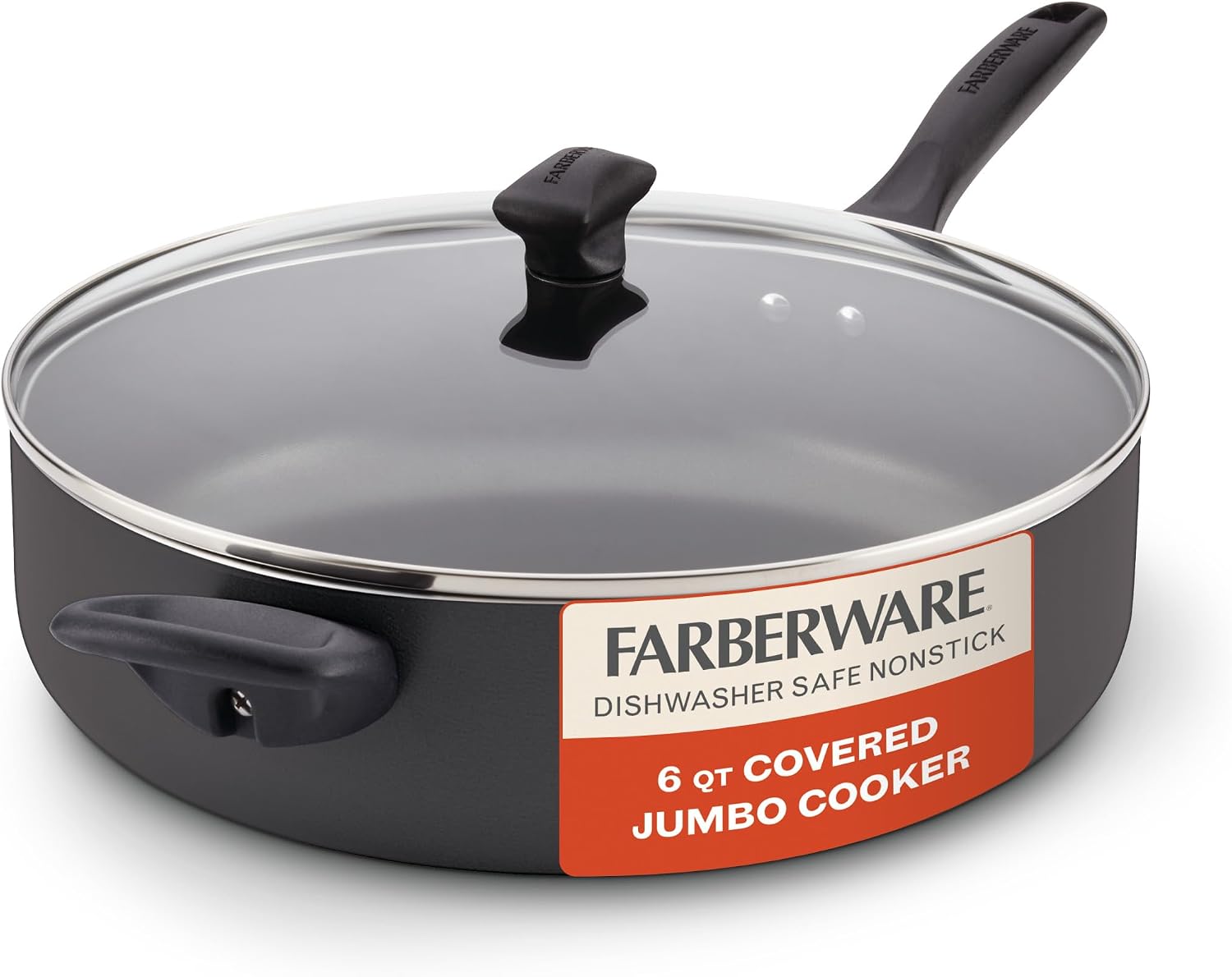
Saute pans vary dramatically in capacity, ranging from compact 2.75-quart versions to spacious 6-quart jumbo cookers. Smaller models easily accommodate side dishes, quick sauces, or single-portion meals without wasting energy on empty surface space. If you frequently cook large family-style one-pan meals, chili, or multi-serving pasta dishes, selecting a larger 5 or 6-quart volume prevents overcrowding and messy boil-overs on your stovetop.
Match your capacity choice to your typical household size and available storage space in kitchen cabinets. Extra-large pans occupy significant footprint area, requiring adequate shelf clearance and careful handling when filled with heavy ingredients. Assessing realistic portion sizes prevents purchasing oversized cookware that feels cumbersome or undersized cookware that requires multiple batches for simple recipes.
Nonstick Coating Variations
Modern nonstick interior coatings simplify cooking and cleanup by allowing food to release effortlessly with minimal added oils or butter. Options like DiamondMax technology and titanium-reinforced surfaces offer significantly better scratch resistance and durability than traditional nonstick formulations. These advanced coatings stand up well to everyday meal preparation, reducing stuck-on messes and cutting down post-cooking scrubbing time across various recipes.
Pay attention to manufacturer cleaning and utensil guidelines to preserve nonstick performance over the lifespan of the cookware. While nonstick surfaces make food removal seamless, they often require moderate heat settings and non-metal utensils to prevent premature wear. Evaluating your willingness to follow these care instructions ensures your chosen pan maintains its release properties through countless cooking sessions.
Lid Design And Steam Management
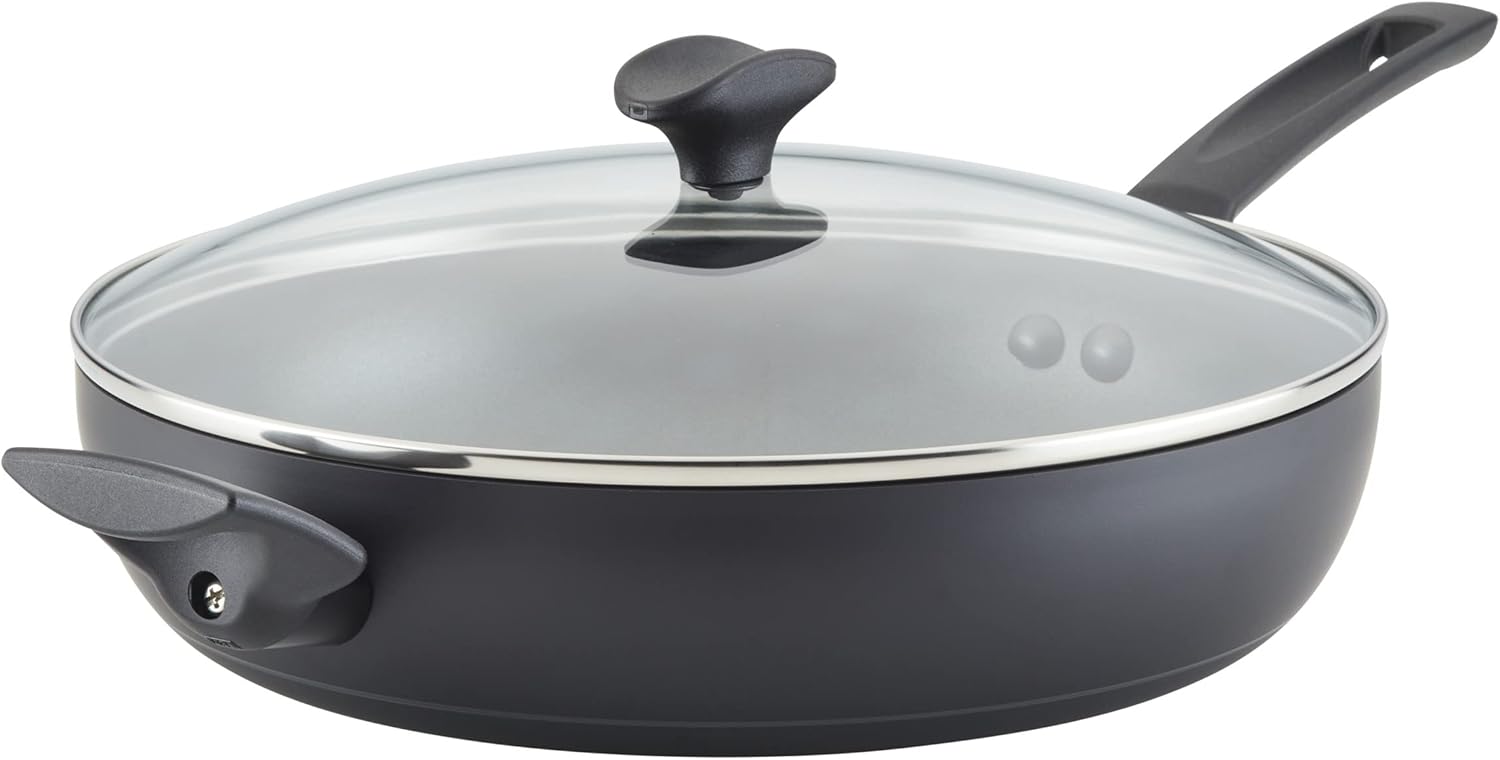
Lids play a crucial role in trapping heat, retaining moisture, and enabling effective braising or simmering techniques. Stainless steel lids offer rugged durability and classic styling, while shatter-resistant glass lids let you monitor cooking progress without lifting the cover. Some advanced lids incorporate specialized steam vents inside the knob to release excess vapor and actively reduce messy boil-overs during long simmer tasks.
Consider whether you prefer traditional solid covers or vented lids based on your typical cooking repertoire. Vented designs help manage moisture levels during delicate sauce reductions, whereas solid covers maximize internal heat retention for tenderizing tougher cuts of meat. Inspecting handle construction on the lid ensures a secure grip when checking food levels on active burners.
Handle Configuration And Ergonomics
Handling heavy, fully loaded cookware requires secure, well-designed handle configurations for safe transport between kitchen stations. Long main handles provide leverage for tilting and moving the pan, while dual-riveted construction guarantees structural stability under heavy loads. Look for stay-cool plastic or comfortable stainless steel handles that offer a confident, slip-resistant grasp during active stovetop cooking routines.
Large capacity saute pans weighing several pounds frequently include a dedicated helper handle opposite the main grip. This secondary handle makes lifting and pouring much safer, distributing the weight evenly between both hands. Evaluating handle placement and materials helps prevent hand fatigue and ensures you can confidently transfer hot one-pan meals to the oven safely.
Oven Safety And Temperature Limits
Many saute pans are engineered to transition seamlessly from the stovetop directly into the oven for finishing dishes or keeping meals warm. Most reviewed models maintain safe operation up to 350 degrees Fahrenheit, accommodating standard baking and roasting temperatures. Checking temperature thresholds ensures you do not exceed manufacturer limits, which can damage plastic handle components or degrade specialized nonstick interior finishes.
If your favorite recipes require high-heat broiler environments or intense roasting temperatures exceeding standard limits, verify material compatibility carefully before purchasing. Understanding these operational boundaries prevents accidental warping, coating degradation, or hardware loosening during high-heat culinary tasks. Aligning oven capabilities with your preferred cooking techniques guarantees long-lasting reliability from your cookware collection.
Frequently asked questions
Can I use metal utensils on Farberware nonstick saute pans?
Using metal utensils on nonstick interior surfaces is generally discouraged because sharp edges can scratch, gouge, or wear down the coating prematurely. Even reinforced nonstick coatings like DiamondMax or titanium-infused layers perform best when paired with wooden, silicone, or nylon kitchen tools. Sticking to non-scratch utensils preserves the smoothness of the cooking surface, ensuring effortless food release and extending the overall lifespan of your nonstick cookware investment without requiring early replacement due to surface damage.
What is the maximum oven temperature for these saute pans?
Most of the reviewed Farberware saute pans and jumbo cookers are rated safe for oven use up to 350 degrees Fahrenheit. This temperature threshold accommodates standard baking, braising, and warming tasks that start on the stovetop and finish in the oven. However, it is essential to check specific model limitations because exceeding this 350-degree limit can compromise plastic handle components or damage specialized nonstick interior coatings. Always consult manufacturer guidelines before placing any pan into a heated oven.
Are these saute pans dishwasher safe for easy cleanup?
Cleaning preferences vary depending on the specific model construction and materials used. Many aluminum and stainless steel Farberware saute pans feature dishwasher-safe designs that simplify routine post-cooking cleanup by handling automatic machine washing cycles. Conversely, specific heavy-duty hard-anodized models explicitly require manual hand washing to protect their exterior finishes and maintain coating integrity over years of use. Reviewing individual product care instructions ensures you choose a cleaning method that matches your daily routine and preserves pan longevity.
How do I choose between a stainless steel and a nonstick saute pan?
Choosing between stainless steel and nonstick models depends entirely on your cooking style and maintenance preferences. Stainless steel pans, such as the Classic Series, offer brilliant mirror finishes and high-heat durability that excel at browning meats and making rich pan sauces. Nonstick aluminum cookers prioritize effortless food release and fast cleanup, making them ideal for delicate foods like eggs or large one-pan family meals. Consider whether you prefer traditional metal durability or convenient nonstick release before buying.
Why do some jumbo cookers include a helper handle?
Large capacity 6-quart jumbo cookers and deep pans hold substantial quantities of food, water, and ingredients that create significant weight during transport. A sturdy helper handle positioned opposite the main long handle allows you to lift and maneuver the heavy pan using both hands. This balanced grip reduces hand strain, minimizes spills when transferring meals from the burner to the counter, and makes handling hot, fully loaded cookware much safer for everyday home cooks.