Appliances · Buying Guide
Best Field Cast Iron Skillet Options for Every Kitchen and Meal Size

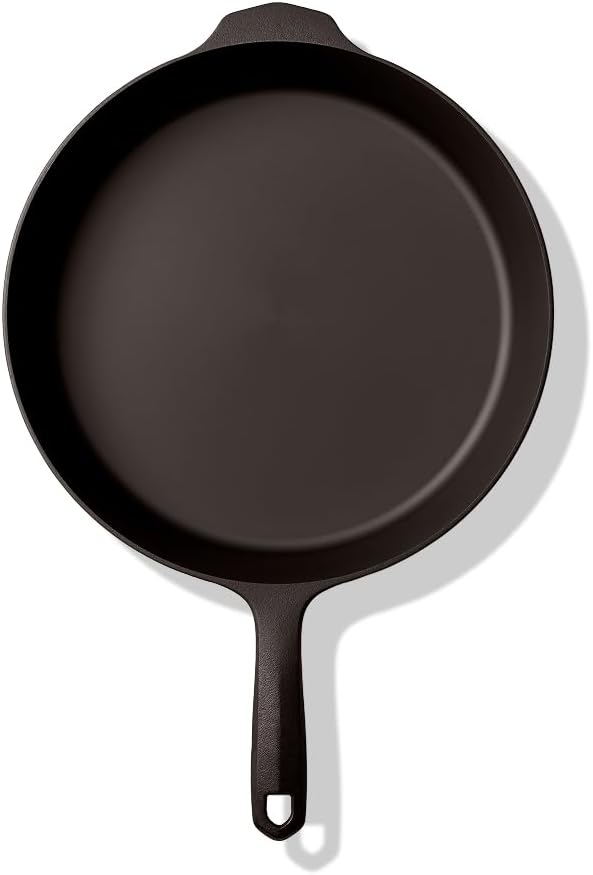
Choosing cookware involves matching dimensions, weight, and surface finishes to your daily cooking habits. A field cast iron skillet offers a distinct approach inspired by vintage American manufacturing, featuring polished interior surfaces and traditional green sand casting methods. These pans arrive pre-seasoned with organic grapeseed oil, offering a smooth foundation that develops better nonstick properties over continuous use and proper maintenance routines.
Understanding how different sizes handle specific meal portions helps you select the right skillet for your kitchen. Whether you are searing proteins, baking cornbreads, or frying morning eggs, matching the diameter and cooking surface to your household ensures efficient heating across gas, electric, induction, and oven environments. Evaluating these design traits ensures reliable performance across diverse cooking methods without relying on synthetic nonstick coatings.
As an Amazon Associate, StacyLaughs earns from qualifying purchases.
Buying guide
Sizing and Cooking Surface Dimensions
Selecting the appropriate skillet size depends directly on your typical meal portions and household head count. Smaller models around seven to eight inches work well for single eggs, quick sides, and cooking for one or two people.
Larger options spanning 11.5 to 16 inches accommodate family meals, whole roast chickens, and group gatherings. Measuring your primary burners and oven interior ensures the outer rim and handle length fit comfortably without crowding adjacent cookware.
Weight and Stovetop Maneuverability
Cast iron weight varies significantly based on diameter and foundry design. Lighter polished models aim to replicate vintage comfort by reducing unnecessary bulk while maintaining structural durability for daily use.
Consider how easily you can lift and transport a pan when it is full of food. Lighter options around two to six pounds offer agile stovetop control, while heavy-duty extra-large pans require two hands or dual handles for safe transfers.
Pre-Seasoning and Natural Nonstick Evolution
Pure iron cookware relies on layers of baked-on oil rather than synthetic polytetrafluoroethylene coatings to create food release properties. These skillets arrive pre-seasoned with organic grapeseed oil, providing a ready-to-use cooking foundation straight out of the box.
Natural nonstick performance improves steadily over time as you cook higher-fat foods and maintain consistent seasoning routines. Regular usage builds a slick patina that makes cleaning easier and prevents sticking across future meals.
Cooktop and Oven Heat Compatibility
Versatility across different heating sources is a core advantage of iron cookware. These skillets operate safely on gas flames, electric coils, ceramic surfaces, and smooth glass induction cooktops without sustaining damage.
They transition seamlessly into standard home ovens or onto outdoor grills for high-heat roasting and searing. Always verify maximum temperature thresholds and measure your oven cavity before placing extra-large models inside confined spaces.
Manufacturing Methods and Material Composition
Traditional green sand casting shapes molten scrap iron into sturdy, durable cookware bodies. This method echoes historical American foundry practices, ensuring each piece maintains solid structural integrity and unique textural qualities.
Modern machining and polishing processes refine the interior surfaces to achieve smoother finishes reminiscent of vintage cast iron pieces. This attention to texture supports better initial seasoning adhesion and smoother everyday food flipping.
Cleaning and Maintenance Routines
Proper care preserves the seasoned coating and prevents rust formation on exposed iron surfaces. Following manufacturer guidelines, always allow hot pans to cool down completely before washing to avoid thermal shock from cold water.
Hand wash the iron using warm water and mild soap if needed, then dry thoroughly on a warm burner. Applying a very thin layer of oil after drying maintains the protective seasoning layer between cooking sessions.
Frequently asked questions
How do I clean a field cast iron skillet after cooking?
To clean your skillet safely, let the pan cool down completely to prevent warping or cracking from thermal shock. Never run freezing cold water over a hot iron surface. Wash the interior using warm water and a mild sponge, scrubbing away food debris gently. Dry the pan completely by wiping it down with a towel and placing it briefly over a warm burner to evaporate remaining moisture. Finish by rubbing a tiny amount of oil across the surface to protect the seasoning.
Can I use these cast iron skillets on induction cooktops?
Yes, all models in this product lineup feature full compatibility with smooth surface induction cooktops, standard gas burners, and electric coil elements. Iron naturally interacts with magnetic fields generated by induction burners, providing efficient and direct heating across the flat cooking surface. To prevent scratching delicate glass or ceramic cooktops, lift the heavy iron pan rather than sliding it across the glass surface when repositioning burners during meal preparation.
What is the primary benefit of a polished cast iron surface?
A polished interior surface replicates the smooth texture found on vintage American cast iron cookware from past decades. Modern rough cast iron features a pebbled finish, whereas grinding and polishing create a flatter, more refined plane. This smoothness helps food release more easily from the very first use and provides an optimal foundation for organic oils to build up smooth seasoning layers over years of consistent cooking and maintenance routines.
How should I preheat my cast iron pan before cooking?
Proper preheating is essential for achieving natural nonstick performance and even temperature distribution across the cooking surface. Place your skillet on your burner over low to medium heat for three to five minutes to allow the heavy iron to warm up gradually. Once warmed, add your cooking fat or oil, let it heat up for a brief moment, and then add your food items. This sequence prevents sticking and ensures consistent cooking results across proteins and vegetables.
Do these skillets come pre-seasoned out of the box?
Yes, every skillet arrives pre-seasoned with multiple coats of organic grapeseed oil applied at the foundry. This initial factory seasoning makes the cookware ready to use for your favorite recipes from day one without requiring lengthy initial seasoning sessions at home. As you continue to cook high-fat foods, sear meats, and bake items over time, your personal seasoning layers will naturally build upon this factory foundation, steadily enhancing the pan's nonstick performance.